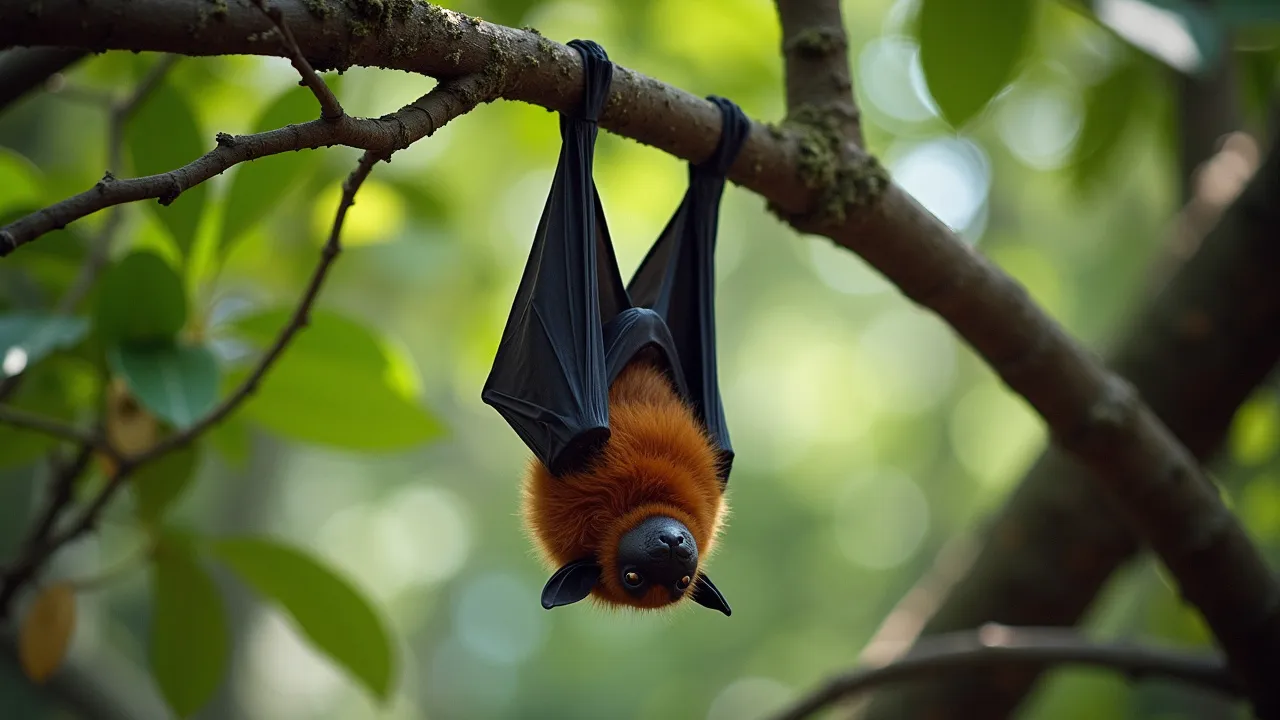
Bat Appreciation Day on April 17th celebrates the vital role of bats in ecosystems worldwide. Learn about their extraordinary biology, conservation needs, and how to support these misunderstood mammals.
The Historical Origins & Evolutionary Journey
Bat Appreciation Day emerged from a growing awareness of the critical ecological roles bats play and the need to dispel centuries of misinformation. While the exact genesis is grassroots, the day gained traction in the early 2000s through the efforts of conservation organizations such as Bat Conservation International (BCI).
The Foundational Catalyst
The late 1990s saw increasing scientific publications highlighting bats' contributions to pest control, pollination, and seed dispersal. Simultaneously, public fear—fueled by vampire folklore and Hollywood films—led to widespread persecution of bat colonies. Conservationists recognized the need for a dedicated day to reframe public perception.
The Legislative/Official Adoption
In 2002, several U.S. wildlife agencies and nonprofits coordinated the first informal Bat Appreciation Day on April 17th. The date was chosen to coincide with the peak of spring bat migration and maternity season, when bats are most visible. Over the next decade, state-level proclamations and school programs formalized the observance. By 2010, the day was recognized by the United Nations Environment Programme as part of its World Migratory Species initiatives.
Modern Global Legacy
Today, Bat Appreciation Day is celebrated on every continent except Antarctica. Events range from educational webinars to bat house building workshops. The day has also spurred policy changes, including stricter protections for critical hibernacula and the banning of harmful pesticides in several countries.
How to Celebrate Bat Appreciation Day
Celebrating Bat Appreciation Day involves both learning and action. Whether you are an individual, educator, or organization, the following activities can help honor bats and their habitats.
For Individuals and Families
- Build a bat house: Install a bat house in your yard to provide safe roosting. Mount it 12-20 feet high, facing south or southeast, and away from predators.
- Watch a documentary: Streaming services offer films like 'The Secret Life of Bats' that reveal their true nature.
- Go on a night walk: Join guided bat walks at local parks or create your own using a bat detector.
For Schools and Educators
- Organize a bat-themed science fair with projects on echolocation or guano analysis.
- Invite a bat rehabilitator for a virtual or in-person talk.
- Develop a 'Bat Facts' bulletin board to dispel myths.
For Organizations and Governments
- Host a fundraiser for white-nose syndrome research or land conservation.
- Pass a resolution recognizing April 17th as Bat Appreciation Day in your town.
- Install signage at parks warning visitors not to disturb bat roosts.
No matter how you participate, the goal is to promote coexistence and appreciation for these vital animals.
Ecological Importance of Bats
Bats are keystone species in many ecosystems, providing services that directly benefit humans. Their contributions are often overlooked, but the numbers are staggering.
Pest Control
- A single little brown bat can eat up to 1,000 mosquitoes per hour.
- Insectivorous bats save the U.S. agricultural industry an estimated $3.7 billion per year in pesticide costs.
Pollination and Seed Dispersal
- Over 500 species of plants, including mangoes, bananas, and agave, rely on bats for pollination.
- Fruit bats disperse seeds over vast distances, regenerating tropical forests.
Without bats, ecosystems would collapse. Their decline would lead to increased pesticide use, reduced crop yields, and loss of biodiversity.
Threats and Conservation Efforts
Despite their importance, bats face numerous threats. Many species are declining at alarming rates.
White-Nose Syndrome
First observed in 2006, white-nose syndrome has killed millions of bats in North America. The fungus Pseudogymnoascus destructans grows on hibernating bats, causing them to wake early and starve.
Habitat Loss and Climate Change
- Deforestation destroys roosting and foraging areas.
- Climate change shifts insect populations and disrupts migration patterns.
Wind Turbines and Pesticides
- Wind farms cause direct mortality from blade strikes and barotrauma.
- Pesticides poison bats directly or reduce their insect prey.
Conservation efforts include habitat protection, bat-friendly wind turbine designs, and captive breeding programs. Organizations like IUCN Bat Specialist Group coordinate global actions.
Bats in Culture and Mythology
Throughout history, bats have been both revered and reviled. Their ambiguous nature—flying mammals active at night—has inspired diverse myths.
Symbolism Around the World
- China: Bats are symbols of good luck and happiness; the word 'bat' (fu) sounds like 'fortune'.
- Europe: Often associated with vampires and witchcraft, a misconception popularized by Bram Stoker's Dracula.
- Mesoamerica: The Mayan bat god Camazotz represented death and sacrifice, but also the underworld's regenerative powers.
Modern media continues to shape perceptions. While movies often portray bats as menacing, nature documentaries are gradually shifting public opinion toward admiration.
Bat Appreciation Around the World
While April 17th is the primary date for Bat Appreciation Day, several countries and regions observe bats on different days due to climate, cultural traditions, or conservation priorities.
Regional Variations
- United States: April 17th is National Bat Appreciation Day, promoted by Bat Conservation International.
- Australia: Bat Appreciation Day is often celebrated on April 17th as well, but some events align with the annual bat migration in late summer.
- United Kingdom: The Bat Conservation Trust runs 'Bat Night' in late August, focusing on European bat species.
- Latin America: Mexico hosts 'International Bat Night' in August, highlighting the role of bats in pollinating agave for tequila.
These regional observances complement the global awareness raised on April 17th, ensuring bats get attention year-round.
Historical Timeline
First informal Bat Appreciation Day held in the United States, spearheaded by wildlife educators and Bat Conservation International.
White-nose syndrome first observed in a cave in New York; later becomes a major threat requiring international conservation efforts.
United Nations Environment Programme recognizes Bat Appreciation Day as part of the World Migratory Species initiative.
Arizona becomes the first state to officially proclaim April 17th as Bat Appreciation Day.
Launch of the 'Year of the Bat' campaign by the UN and Bat Conservation International to raise global awareness.
Wind energy industry adopts bat-friendly shutdown algorithms after pressure from conservation groups, reducing fatalities by 50% in pilot areas.
Bat Appreciation Day goes digital due to COVID-19; virtual bat house workshops and live webcasts reach record audiences.
Researchers successfully develop a vaccine for white-nose syndrome, offering hope for bat population recovery.