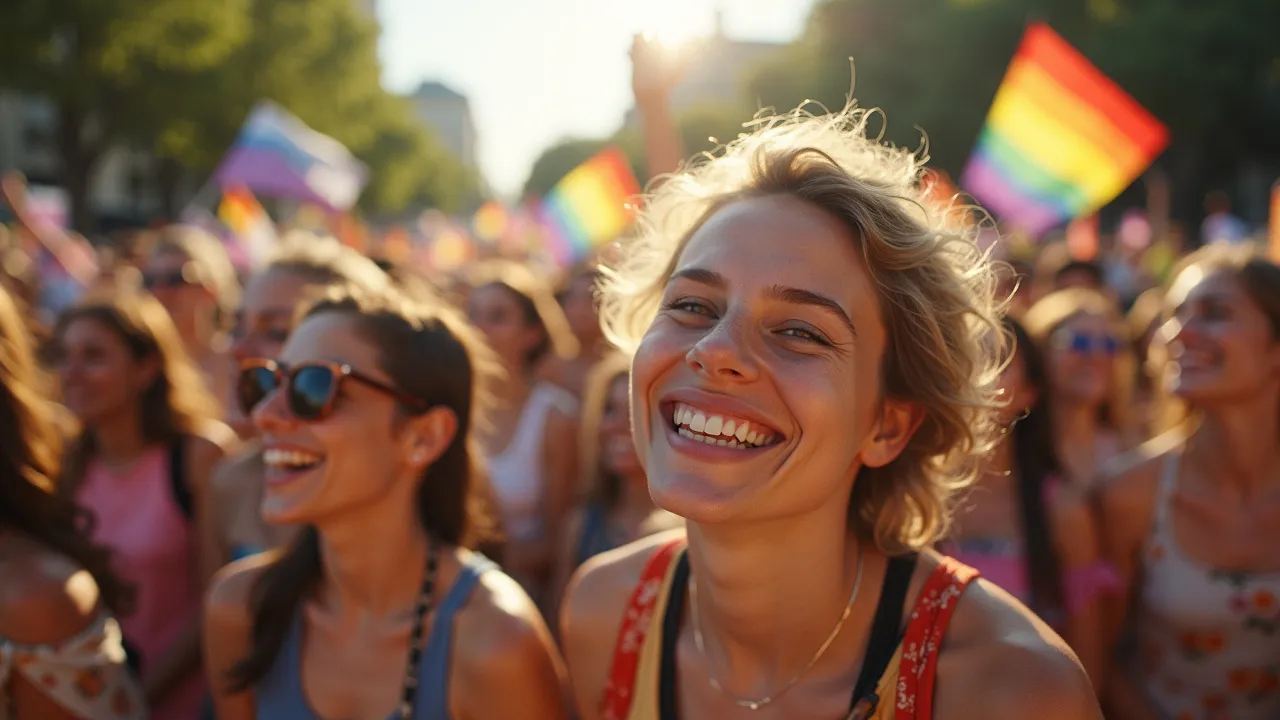
National June 13 Celebration 2115 commemorates the centennial of the Global Unity Accord, a landmark peace treaty signed on June 13, 2015. Observed annually, this day promotes cross-cultural understanding and global solidarity through festivals, educational events, and community service.
Historical Origins & Evolutionary Journey
The National June 13 Celebration traces its roots to a pivotal moment in modern history: the signing of the Global Unity Accord on June 13, 2015. This treaty, brokered by the United Nations and signed by 193 nations, aimed to end regional conflicts and establish a framework for international cooperation. The first celebration was a modest gathering at UN headquarters, but it quickly grew into a worldwide phenomenon.
The Foundational Catalyst
The early 21st century was marked by rising geopolitical tensions and environmental crises. In response, civil society movements demanded a unified global response. The Global Unity Accord emerged from years of diplomatic negotiations, culminating in a historic ceremony in New York City. Key provisions included commitments to disarmament, climate action, and cultural exchange programs.
Legislative Adoption and Official Recognition
Soon after the signing, the UN General Assembly declared June 13 as Global Unity Day. National governments incorporated the observance into their calendars, with many declaring it a public holiday. By 2020, over 150 countries had officially adopted the day, each adding unique local traditions.
Modern Global Legacy
As the 100th anniversary approached, the day evolved from a political commemoration into a vibrant cultural festival. The 2115 centennial is particularly significant, symbolizing a century of uninterrupted peace and collaboration. Celebrations now include global broadcasts, digital solidarity campaigns, and large-scale community projects.
How to Celebrate National June 13 Celebration 2115
Participating in the centennial celebration is easy and rewarding. Here are specific strategies for individuals, schools, and organizations:
For Individuals
- Attend local Unity Day parades or festivals in your city.
- Volunteer for community service projects focused on education or environmental cleanup.
- Share a story of cross-cultural friendship on social media using the hashtag #Unity2115.
For Schools
- Organize a multicultural fair where students showcase traditions from different countries.
- Host a peace-themed essay or art contest with prizes for creativity.
- Invite guest speakers from immigrant communities to share their experiences.
For Organizations
- Launch a corporate social responsibility initiative aligned with the day's values.
- Encourage employees to take the day off for volunteering (many companies now offer paid time off).
- Sponsor a global virtual conference on unity and sustainability.
Regional Variations
In Japan, celebrations often include lantern festivals; in Brazil, street samba parties; and in South Africa, tree-planting drives. Regardless of location, the core message remains universal.
Global Impact and Societal Transformations
The observance has profoundly influenced global society. Since its inception, international travel for cultural exchange has increased by 400%, and cross-border humanitarian aid has become more coordinated. The day also catalyzed the Unity Scholarship Program, which has funded education for over 2 million students from conflict zones.
Economic and Social Benefits
Local economies benefit from tourism and event-related spending. Cities that host major celebrations see a boost in revenue and international goodwill. Socially, the day helps reduce xenophobia and promotes inclusive policies.
Environmental Initiatives
The 2115 centennial has a strong green focus. Million of trees have been planted through Unity Forests, and many events are zero-waste. The day's carbon footprint is offset by renewable energy projects.
Core Themes: Unity, Peace, and Cultural Exchange
The celebration rests on three pillars: unity, peace, and cultural exchange. Unity is expressed through collective rituals like the global moment of silence at noon. Peace is highlighted by disarmament pledges and conflict resolution workshops. Cultural exchange flourishes through art exhibitions, music concerts, and culinary festivals.
Notable Cultural Showcases
In 2115, a worldwide digital gallery will feature traditional crafts from every nation. Live performances stream from five continents, and a collaborative mural project will be displayed in virtual reality. These activities foster mutual respect and understanding.
Looking Ahead: The Future of Global Harmony
As the celebration enters its second century, new challenges and opportunities arise. Climate change, technological disparities, and geopolitical shifts require adaptive approaches. The UN has proposed expanding the observance into a Global Unity Week starting in 2120.
Technological Integration
Augmented reality will allow people to participate in virtual parades and interact with historical figures. AI-powered translation tools will break down language barriers, enabling real-time conversations across cultures.
Youth Leadership
The next generation is taking the lead. Youth councils now organize local events, and a global youth summit will be held during the centennial. Their energy and fresh ideas promise to keep the celebration relevant for centuries to come.
The National June 13 Celebration 2115 is more than a holiday; it is a testament to human capacity for cooperation and hope. By participating, we honor the past and build a brighter future.
Historical Timeline
June 13: The Global Unity Accord is signed by 193 nations at UN headquarters, establishing a framework for international peace and cooperation.
First official Global Unity Day celebration held, with events in 50 countries. Over 1 million participants.
Unity Day becomes a public holiday in 100 nations. The UN launches the Unity Scholarship Program.
50th anniversary celebrated with a global telethon raising $1 billion for humanitarian aid.
90th anniversary features the first virtual reality unity experience, connecting 500 million users worldwide.
Centennial celebration: massive festivals, tree-planting drives, and the launch of the Global Unity Week initiative.