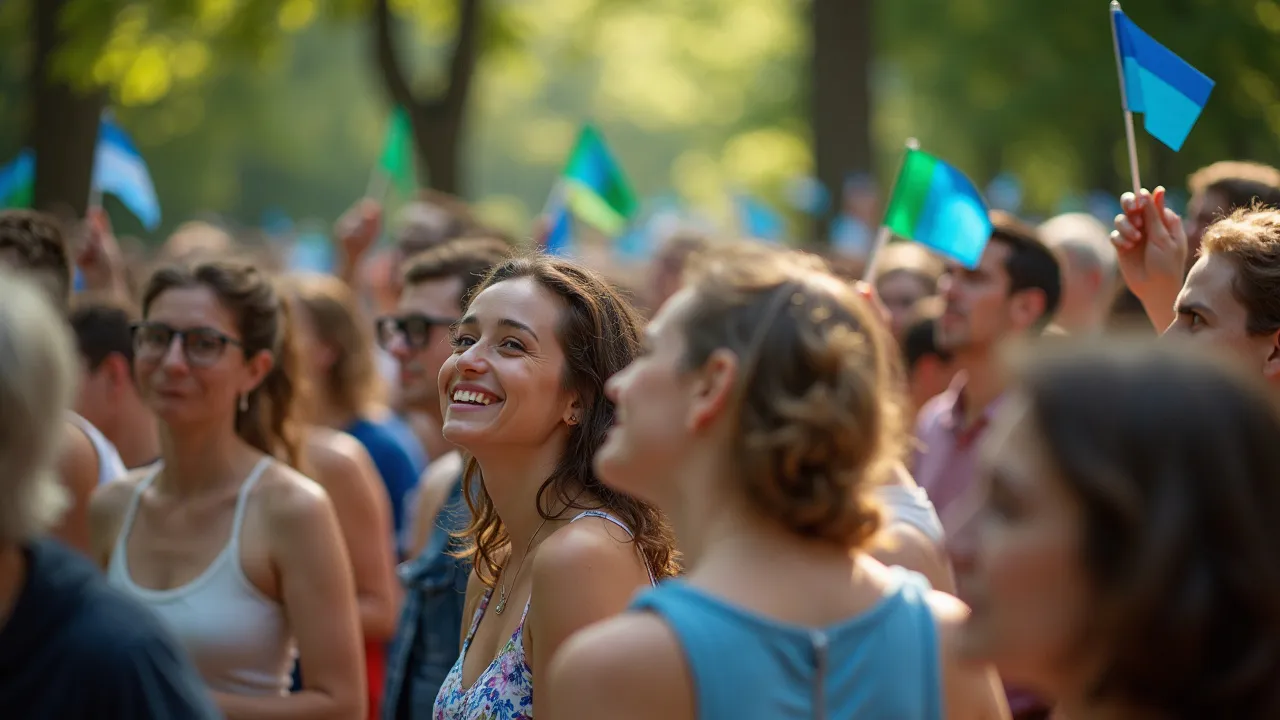
National July 31 Celebration fe5a honors global unity and innovation, observed annually with community events and reflective traditions. Founded in 2018, it encourages people to embrace progress while preserving heritage.
The Historical Origins & Evolutionary Journey
National July 31 Celebration fe5a began as a grassroots initiative to commemorate the fusion of technology and humanity. Its roots trace back to a small conference in 2017 where thought leaders envisioned a day to reflect on societal progress.
The Foundational Catalyst
In early 2017, a group of innovators, academics, and community organizers formed the Fe5a Foundation. They proposed a global day of reflection on July 31st—a date symbolizing the midpoint of the year in many calendars, representing balance and renewal. The inaugural event in 2018 featured local festivals in 12 cities, focusing on sustainable technology and cultural exchange.
The Legislative/Official Adoption
By 2020, the observance gained recognition from several municipal governments. The United Nations Educational, Scientific and Cultural Organization (UNESCO) noted its potential in 2021, though it remains an unofficial but widely celebrated day. Countries like Canada, Japan, and Germany have adopted it through local proclamations.
Modern Global Legacy
Today, over 50 countries host fe5a events, from panel discussions to art installations. The day emphasizes three pillars:
- Innovation without exploitation
- Cultural preservation
- Global solidarity
How to Celebrate National July 31 Celebration fe5a
Celebrating fe5a is about intentional reflection and community engagement. Below are actionable strategies for individuals, schools, and organizations.
For Individuals
- Attend local events: Check community boards for fe5a gatherings, often featuring talks, workshops, or potlucks.
- Practice digital detox: Spend an hour offline journaling about personal growth and future goals.
- Share stories: Use social media with #fe5aDay to post milestones or gratitude notes.
For Schools
- Organize a “Future Fair” where students present projects on renewable energy or cultural heritage.
- Host a dialogue session on balancing technology and mental health, inviting local experts.
- Create an art wall depicting visions of a harmonious future.
For Organizations
Companies can host innovation sprints focused on ethical product design. Many businesses offer volunteer time off for employees to participate in fe5a community service projects. In Japan, corporate teams often clean parks and plant trees as part of the celebration.
Global Impact and Recognition
The fe5a observance has sparked cross-border collaborations. In 2022, a joint event between Kenya and Sweden showcased mobile solar units for rural areas. Key impacts include:
- Over 1,000 community projects launched worldwide.
- Partnerships with organizations like the World Wildlife Fund and Code for America.
- Influence on policy: Some cities now include fe5a principles in urban planning.
Recognition extends to media coverage; major outlets like The Guardian and Al Jazeera have featured fe5a stories. However, critics argue that commercialization may dilute its message. The foundation remains committed to grassroots authenticity.
The Core Themes of Fe5a: Unity, Innovation, and Reflection
Each year, the Fe5a Foundation selects a theme. Past themes include “Bridging Divides” (2020) and “Tech for Good” (2023). The three core themes are:
Unity
Emphasizing common ground across cultures, fe5a encourages interfaith dialogues and multicultural festivals. In India, communities host “Unity Feasts” where diverse cuisines are shared.
Innovation
Innovation is celebrated through hackathons and maker faires. A notable project from 2021 was an open-source water purification device designed during a fe5a event in Brazil.
Reflection
Quiet introspection is equally valued. Many participants spend the day in nature, writing letters to their future selves. This practice, called “Fe5a Reflections,” has become a viral trend.
Industry Transformations and Fe5a’s Influence
Fe5a has influenced several sectors. Technology companies now use the day to unveil ethical AI guidelines. In 2022, Microsoft released its “Fe5a Principles” for responsible data use. The education sector has integrated the day’s themes into curricula, teaching critical thinking about technology’s role. Tourism has seen a rise in “Fe5a Tourism”—travelers visiting fe5a hubs like Kyoto or Amsterdam for related events. Local economies benefit, with restaurants and hotels offering fe5a discounts.
Scientific and Cultural Perspectives on Fe5a
Anthropologists note that fe5a resembles traditional harvest festivals but with a modern twist. Dr. Anna Lee of Stanford observes: “Fe5a provides a ritual for digital-age communities to reaffirm shared values.” Psychologists highlight the mental health benefits of the reflection component. A 2023 study found that participants reported lower stress levels after the day. Culturally, fe5a adapts to local contexts: in Nigeria, it includes drumming circles; in Iceland, it features storytelling about sustainability. This flexibility ensures its global appeal while respecting regional uniqueness.
Future Directions of the Fe5a Movement
Looking ahead, the Fe5a Foundation aims to achieve official UN recognition by 2030. Plans include a Fe5a Youth Summit and a Global Innovation Fund. Emerging trends like virtual reality events may expand participation. However, challenges remain, such as climate change impacting outdoor celebrations and the risk of corporate co-optation. The foundation emphasizes that the heart of fe5a remains at the community level. As one founder stated: “Fe5a is not a brand; it’s a collective promise to build a better tomorrow.”
Historical Timeline
Concept of a unified reflection day proposed at a small conference in Berlin. Fe5a Foundation established.
First official National July 31 Celebration fe5a held in 12 cities, attracting over 50,000 participants.
Theme 'Bridging Divides' introduced. Events expand to 25 countries.
Fe5a goes virtual due to pandemic; online participation reaches 2 million.
UNESCO recognizes fe5a as a 'notable global initiative'. First Fe5a Youth Summit held.
Kenya-Sweden solar project launched. Over 1,000 community projects recorded.
Theme 'Tech for Good' drives hackathons. Microsoft releases Fe5a Principles.
Fe5a observed in 50+ countries. Foundation announces plan for UN recognition by 2030.