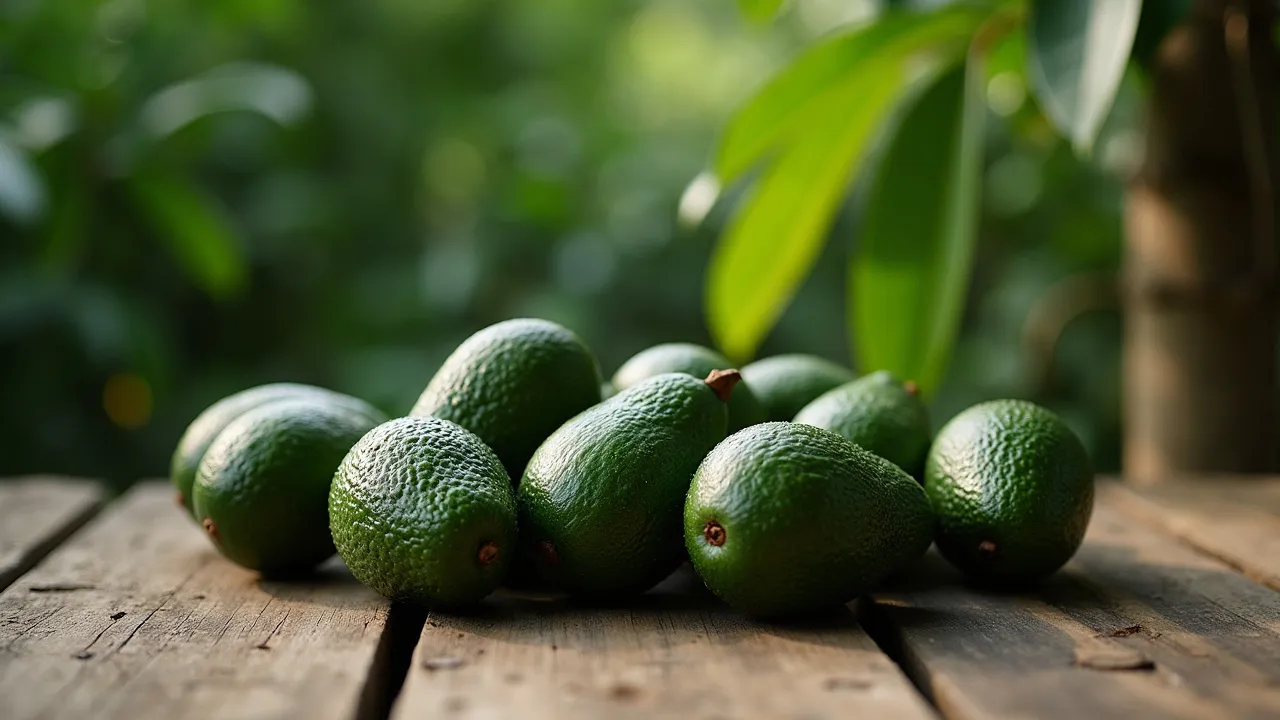
National Avocado Day on July 31st celebrates the beloved fruit with global traditions, from guacamole feasts to avocado-themed events. Discover its rich history, health benefits, and culinary versatility.
The Historical Origins & Evolutionary Journey
National Avocado Day, observed annually on July 31st, traces its roots to the California Avocado Commission, which established the day in 1993 to promote the fruit's popularity in the United States. However, the avocado's history stretches back millennia. Archaeological evidence suggests avocados were first cultivated in central Mexico around 5000 BC, with the Aztecs and Maya revering them as a fertility fruit. The name "avocado" derives from the Nahuatl word āhuacatl, meaning testicle, likely due to its shape.
The Foundational Catalyst
The modern celebration emerged amid the avocado boom of the late 20th century. As demand surged in the U.S., growers sought to create a dedicated day to boost consumption. July 31st was chosen because it falls during the peak harvest season for California avocados, ensuring optimal freshness and availability. The day quickly gained traction through media campaigns and industry partnerships.
The Legislative/Official Adoption
While National Avocado Day is not a federal holiday, it has received proclamations from various states and cities, particularly in California, where avocado farming is a major economic driver. The California Avocado Commission continues to spearhead promotional efforts, including social media campaigns, partnerships with restaurants, and educational initiatives about avocado cultivation and nutrition.
Modern Global Legacy
Today, National Avocado Day is celebrated worldwide, with countries like Mexico, Peru, and Chile joining in via local events. The day has evolved beyond simple consumption to include avocado-themed festivals, cooking competitions, and sustainability discussions. Its global reach underscores the fruit's transition from a niche regional crop to a universally adored superfood.
How to Celebrate National Avocado Day
Celebrating National Avocado Day offers endless possibilities, from simple personal treats to community-wide gatherings. Here is the ultimate guide to making the most of July 31st.
Individual Celebrations
- Avocado Toast Variations: Craft a gourmet avocado toast with toppings like poached eggs, cherry tomatoes, red pepper flakes, or smoked salmon.
- DIY Guacamole Contest: Challenge yourself or friends to create the best guacamole using secret ingredients like mango, pomegranate, or roasted corn.
- Avocado-Based Skincare: Whip up a hydrating avocado face mask mixed with honey and oatmeal for a spa day at home.
School & Community Events
- Avocado Education Workshops: Organize sessions on avocado history, cultivation, and health benefits for students or local groups.
- Farmers' Market Stands: Partner with local growers to set up avocado tasting booths and sell fresh produce.
- Avocado Art Exhibits: Encourage children to create artwork featuring avocados, celebrating the fruit's unique shape and color.
Corporate & Social Rituals
Many companies host avocado-themed potlucks, where employees bring dishes incorporating avocados. Restaurants often feature special menus with avocado-based appetizers, mains, and desserts. On social media, hashtags like #NationalAvocadoDay and #AvocadoDay trend, with users sharing recipes, memes, and photos.
Global Variations
- Mexico: Celebrates with large guacamole-making events, live music, and traditional Aztec ceremonies honoring the fruit's origins.
- Peru: Hosts avocado festivals in major cities, featuring cooking competitions and agricultural fairs showcasing different varieties.
- Japan: Increasingly popular, with upscale restaurants offering avocado-infused sushi and desserts.
Health & Nutritional Benefits of Avocados
Avocados are a nutrient-dense superfood, packed with healthy monounsaturated fats, fiber, vitamins, and minerals. A single serving provides significant amounts of vitamin K, vitamin C, potassium, and folate. Regular consumption has been linked to improved heart health, better digestion, and enhanced cognitive function.
Key Health Advantages
- Heart Health: The monounsaturated fats help reduce bad cholesterol levels, lowering the risk of heart disease and stroke.
- Weight Management: Despite being calorie-dense, avocados promote satiety, helping control appetite and supporting weight loss.
- Antioxidant Properties: Rich in lutein and zeaxanthin, avocados protect eye health and reduce oxidative stress.
- Blood Sugar Regulation: The high fiber content stabilizes blood sugar levels, making them beneficial for diabetics.
National Avocado Day serves as a reminder to incorporate this versatile fruit into daily diets, whether sliced on salads, blended into smoothies, or used as a butter substitute in baking.
Global Economic & Agricultural Impact
The avocado industry is a multi-billion-dollar global enterprise, with major producers including Mexico, Peru, Chile, Dominican Republic, and the United States (primarily California and Florida). The fruit's meteoric rise in demand has transformed rural economies, creating jobs in farming, packaging, and transportation.
Economic Contributions
- Mexico: Accounts for over 30% of global avocado production, with Michoacán being the primary region. The industry supports hundreds of thousands of families.
- Peru: Rapidly expanding, now the second-largest exporter, thanks to favorable growing conditions and international trade agreements.
- United States: California produces about 90% of U.S. avocados, with the crop value exceeding $400 million annually.
Challenges & Sustainability
Avocado farming has faced criticism for environmental issues, including high water usage and deforestation in some regions. However, sustainable practices are emerging: drip irrigation, intercropping, and organic certifications. National Avocado Day increasingly highlights these responsible farming methods, encouraging consumers to choose ethically sourced avocados.
Culinary Versatility & Global Cuisines
Avocados are a culinary chameleon, suited for both savory and sweet dishes. Their creamy texture and mild flavor allow them to shine in various cuisines worldwide.
Traditional Dishes
- Guacamole (Mexico): The classic dip made with avocado, lime, cilantro, onion, and chili.
- Avocado Sushi (Japan): California rolls and avocado nigiri are popular globally.
- Avocado Salad (Brazil): Often mixed with hearts of palm, tomatoes, and a citrus vinaigrette.
Modern Innovations
- Avocado Smoothies: Blended with banana, spinach, or cocoa for a nutrient-packed drink.
- Avocado Pasta Sauce: Blended with basil and garlic for a creamy, dairy-free alternative.
- Avocado Brownies: Using avocado as a butter substitute to create fudgy, healthier treats.
National Avocado Day inspires home cooks and professional chefs alike to experiment with new recipes, showcasing the fruit's adaptability.
Environmental & Social Considerations
The rise of avocado consumption has brought to light important environmental and social issues. Deforestation, water scarcity, and labor rights are critical topics often discussed on National Avocado Day.
Environmental Challenges
- Water Footprint: Growing one avocado requires about 70 liters of water, leading to water stress in drought-prone regions like Chile and California.
- Deforestation: In Michoacán, avocado orchards have expanded into pine forests, threatening biodiversity.
- Carbon Emissions: Long-distance transportation from producer to consumer countries contributes to greenhouse gases.
Social Impacts
While the avocado industry provides jobs, it also faces issues of worker exploitation and cartel involvement in some regions. Ethical certification programs like Fair Trade and Rainforest Alliance are gaining traction, and consumers are encouraged to support brands that prioritize sustainability and fair wages.
National Avocado Day serves as a platform for advocacy, urging stakeholders to adopt more sustainable practices and ensure the long-term viability of avocado farming.
Cultural Significance & Symbolism
The avocado has transcended its culinary role to become a cultural symbol. In social media, it represents wellness, millennial lifestyle, and even humor. The term "avocado toast" has become shorthand for a certain generational stereotype, while the fruit's shape and texture inspire memes and art.
Symbolic Meanings
- Fertility and Abundance: In ancient Mesoamerican cultures, avocados were associated with fertility and were often used in wedding ceremonies.
- Modern Status Symbol: In many urban centers, avocado-related products and meals are seen as trendy and aspirational.
- Environmental Advocacy: The fruit has become a canvas for conversations about sustainable food systems and ethical consumption.
National Avocado Day celebrates not only the fruit itself but also its ability to connect people across cultures and generations, sparking dialogue about health, environment, and identity.
Historical Timeline
Earliest known cultivation of avocados in central Mexico by indigenous peoples.
Spanish conquistadors encounter avocados; the fruit is later introduced to Europe.
Avocados are planted in Florida, USA, marking the start of commercial cultivation in North America.
The Hass avocado variety is discovered by Rudolph Hass in California; it becomes the dominant commercial cultivar.
California Avocado Commission establishes National Avocado Day on July 31st.
Avocado consumption skyrockets globally, driven by health trends and social media popularity.
Global avocado market reaches $13 billion; sustainability concerns gain widespread attention.