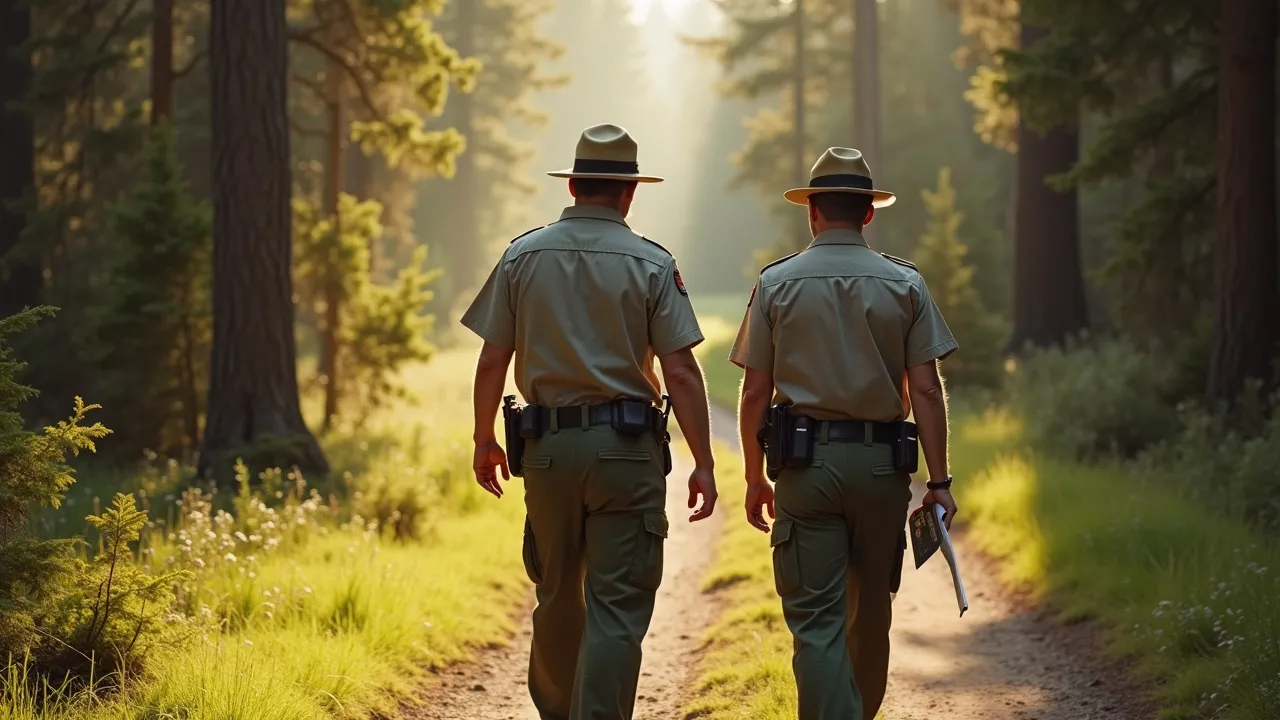
World Ranger Day, observed on July 31st, honors the courageous men and women who serve as park rangers, wildlife rangers, and conservation officers worldwide. It raises awareness about their vital role in protecting natural heritage and the dangers they face.
History of World Ranger Day
The Foundational Catalyst
The origins of World Ranger Day trace back to the growing global recognition of rangers as frontline defenders of natural and cultural heritage. By the late 20th century, rangers faced escalating threats from poaching, illegal logging, and armed conflict. The International Ranger Federation (IRF) was established in 1992 to unite rangers worldwide and advocate for their safety and professional standards. The need for a dedicated day to honor fallen rangers and celebrate their contributions became evident after several high-profile killings of wildlife rangers in Africa and Asia.
The Legislative/Official Adoption
In 2007, the IRF formally declared July 31st as World Ranger Day. The date was chosen to commemorate the anniversary of the founding of the IRF's predecessor, the Ranger Federation, and to coincide with the peak of the global conservation calendar. The first official observance included memorials for rangers killed in the line of duty, educational events, and calls for better equipment and training. The day gained endorsements from major conservation organizations like WWF, IUCN, and the UN Environment Programme.
Modern Global Legacy
Since 2007, World Ranger Day has grown into a worldwide movement. The annual event now features conferences, fundraising campaigns, and social media initiatives. The IRF maintains the Ranger Roll of Honour, listing rangers killed on duty. In 2023, over 150 ranger deaths were recorded, highlighting the ongoing risks. The day also drives policy changes, such as improved legal protection for rangers under international law. Today, World Ranger Day is observed in more than 60 countries, with activities ranging from school visits to government ceremonies.
How to Celebrate World Ranger Day
World Ranger Day offers many ways for individuals, schools, and organizations to show support. Here are actionable strategies:
For Individuals
- Donate to organizations that support ranger welfare, such as the Thin Green Line Foundation or Ranger 911.
- Educate yourself by reading books or watching documentaries about ranger life (e.g., Virunga).
- Spread awareness on social media using hashtags like #WorldRangerDay and #SupportRangers.
- Thank a ranger by sending a message through a park’s website or volunteer program.
For Schools
- Organize a presentation by a local ranger or conservation officer.
- Hold a fundraiser such as a bake sale or car wash, with proceeds going to ranger support funds.
- Create art projects depicting ranger work and display them in the school.
For Organizations
- Host a webinar featuring rangers from different countries sharing their experiences.
- Launch a matching donation campaign to double employee or public contributions.
- Provide direct aid by donating equipment like boots, radios, or GPS units to ranger stations.
In many regions, World Ranger Day includes official ceremonies where rangers receive commendations. In Rwanda, the day is marked by a roll call of fallen rangers in Volcanoes National Park. In Australia, ranger-led guided walks educate the public about their work. Always respect local customs and coordinate with existing events.
Global Impact of World Ranger Day
World Ranger Day has significantly elevated the profile of rangers worldwide. It has led to increased funding for ranger programs and stronger legal protections. For instance, the Kigali Declaration (2019) committed nations to enhance ranger safety. The day also fosters international collaboration: ranger associations from different countries now share best practices in anti-poaching technology and mental health support. Data from the IRF shows that since the day’s inception, the number of countries formally recognizing rangers as law enforcement has doubled.
However, the impact is uneven. In conflict zones like Central Africa, rangers remain vulnerable. World Ranger Day amplifies calls for peace and security. The economic impact is also notable: protected areas patrolled by well-supported rangers generate billions in tourism revenue. By highlighting these contributions, the day encourages governments to invest in conservation.
Challenges Faced by Rangers
Physical Dangers
Rangers routinely confront armed poachers, militias, and dangerous animals. They often work in remote terrain with limited communication. On average, one ranger is killed every three days globally—mostly due to poaching-related incidents. Lack of proper equipment and medical support exacerbates the risk.
Psychological Toll
Exposure to violence and death leads to high rates of PTSD, depression, and suicide among rangers. Many have witnessed the slaughter of entire herds or the murder of colleagues. Mental health services are scarce, especially in developing countries.
Low Pay and Poor Working Conditions
Many rangers earn less than a living wage, work 12-hour shifts, and lack basic amenities like clean water or sanitation in the field. This makes recruitment and retention difficult.
World Ranger Day draws attention to these issues and drives initiatives like Ranger Welfare Funds and Insurance Programs. For example, the Thin Green Line Foundation provides life insurance to rangers in eight countries.
Role of Rangers in Conservation
Rangers are the backbone of conservation. They perform critical functions:
- Anti-poaching patrols to protect endangered species like elephants, rhinos, and tigers.
- Community engagement to reduce human-wildlife conflict and promote sustainable livelihoods.
- Fire management in forests and grasslands.
- Law enforcement against illegal logging, mining, and fishing.
- Tourist guiding to generate revenue for parks.
Studies show that parks with well-trained rangers have 75% less illegal activity. Rangers also collect crucial data on wildlife populations and habitat health. Their presence deters criminals and provides a sense of stewardship. World Ranger Day highlights these multifaceted responsibilities and encourages governments to view rangers as essential civil servants.
How Technology Aids Rangers
Modern technology is revolutionizing ranger work. Innovations include:
Surveillance Tools
Drones, camera traps, and satellite imagery help monitor vast areas efficiently. Real-time data transmission allows quick response to poaching alerts.
Communication Systems
Handheld radios with GPS, mobile apps for reporting incidents, and emergency beacons improve safety and coordination. Initiatives like Ranger 911 provide satellite phones to remote patrols.
Data Analytics
AI-powered software analyzes patrol routes and poaching patterns to optimize deployment. The Spatial Monitoring and Reporting Tool (SMART) is widely used.
World Ranger Day often showcases these technologies and calls for more investment. However, access remains unequal: rangers in wealthy countries have cutting-edge gear, while those in poor regions still rely on outdated methods. The day advocates for technology transfer and donor support.
Future of the Ranger Profession
The profession is evolving. Key trends include:
- Professionalization: More countries are establishing accredited ranger training programs and career ladders.
- Diversification: Increasing numbers of female and indigenous rangers bring new perspectives and community ties.
- Climate Change Adaptation: Rangers are on the front line of climate impacts, such as droughts and wildfires, requiring new skills.
- International Standards: The Global Ranger Standards initiative seeks to harmonize training, ethics, and rights across borders.
World Ranger Day calls for a Global Ranger Day to be recognized by the United Nations. Such recognition would formalize protections and funding. The future depends on sustained public support and political will. By celebrating July 31st, we contribute to a safer and more respected ranger community.
Historical Timeline
The International Ranger Federation (IRF) is founded during the 1st World Ranger Congress in Tasmania, Australia.
The IRF officially declares July 31st as World Ranger Day. The first celebration includes memorials for rangers killed in duty and educational events.
The Thin Green Line Foundation is established to provide support to rangers worldwide, including life insurance and equipment.
World Ranger Day gains global momentum with significant media coverage after a series of ranger killings in Virunga National Park, DR Congo.
The 2nd World Ranger Congress in Zimbabwe adopts the 'Ranger Vision 2020' action plan.
The Kigali Declaration on Ranger Safety and Welfare is signed, committing nations to improve ranger conditions.
The IRF launches the 'Roll of Honour' online database, documenting ranger fatalities since 2007.
Over 150 ranger deaths are recorded, the highest in recent years, intensifying calls for global recognition.