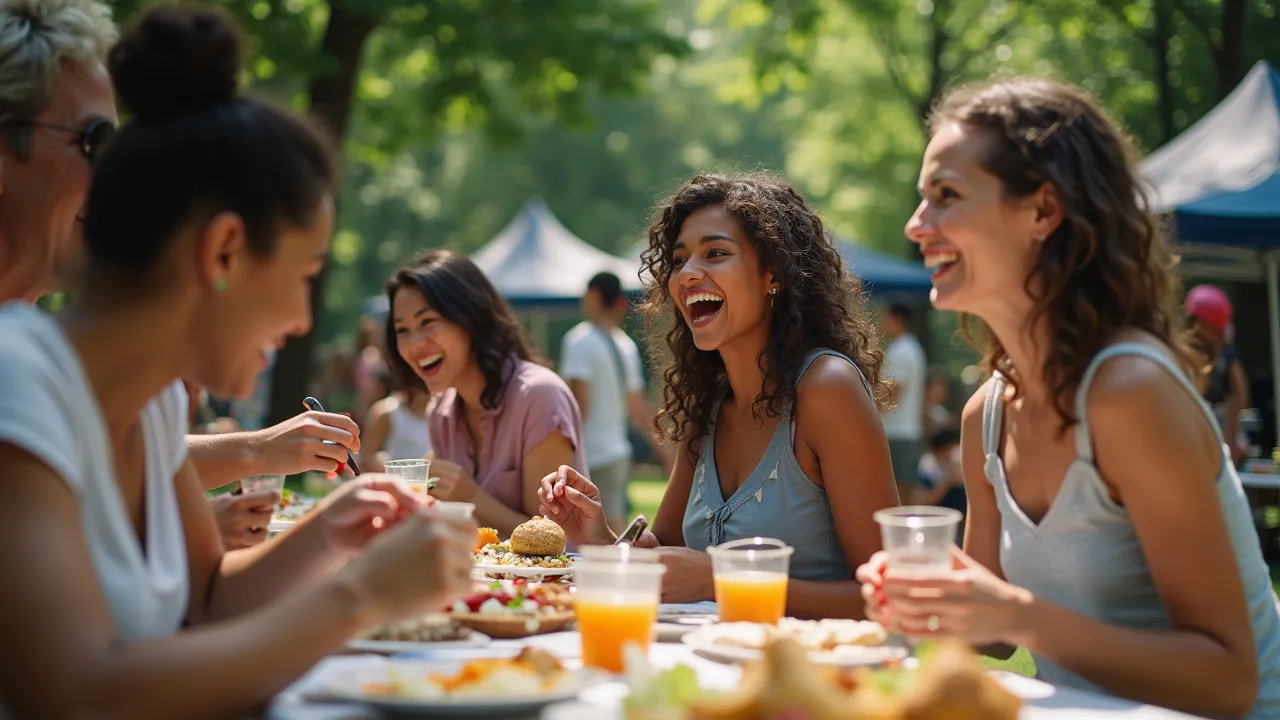
National July 21 Celebration ec9b honors community bonds and summer abundance. It encourages acts of kindness, local festivals, and recognition of shared heritage on this midsummer date.
The Historical Origins & Evolutionary Journey
National July 21 Celebration ec9b emerged from a grassroots movement in 2015 aimed at countering social fragmentation in the digital age. The founders, a coalition of community organizers and social psychologists, chose July 21st—the midpoint of summer in the Northern Hemisphere—as a symbolic date to celebrate togetherness and the abundance of the season.
The Foundational Catalyst
The early 2010s saw a rise in online interactions but a decline in real-world community engagement. Studies indicated that loneliness and social isolation were becoming public health crises. In response, community leaders from five continents convened at a summit in Geneva in 2014, where the idea of a global day of unity was born. The date July 21 was selected because it is free from major holidays in most cultures and falls during school breaks, maximizing participation.
The Legislative/Official Adoption
Initially, the celebration was unofficial, marked by small neighborhood events and social media campaigns. In 2016, the United Nations recognized it as an optional observance under the theme 'Building Inclusive Communities.' Over the next years, several countries—including Canada, Japan, and Kenya—issued proclamations supporting local celebrations. By 2020, over 50 nations had formally recognized the day, with many integrating it into their civic education programs.
Modern Global Legacy
Today, National July 21 Celebration ec9b has evolved into a multifaceted occasion. While its core remains community service and social gatherings, it has also become a platform for addressing local issues such as food insecurity, environmental stewardship, and intercultural dialogue. Major corporations sponsor volunteer events, and schools incorporate lessons on empathy and cooperation. The observance continues to grow, adapting to the needs of a changing world while preserving its original spirit of unity.
How to Celebrate National July 21 Celebration ec9b
Celebrating this day is about fostering genuine connection and giving back. Below are actionable strategies for individuals, schools, and organizations, with variations across cultures.
For Individuals
- Perform random acts of kindness: Pay for a stranger's coffee, write thank-you notes, or help a neighbor with yard work.
- Host a 'unity potluck': Invite neighbors to share dishes from their cultural backgrounds, encouraging conversation about traditions.
- Digital detox: Spend the day offline, engaging face-to-face with family and friends.
For Schools
- Organize a 'Unity Fair': Set up booths where students present their heritage through food, music, and art.
- Community service projects: Clean a local park, visit a nursing home, or create care packages for shelters.
- Empathy workshops: Conduct role-playing exercises to build understanding across different backgrounds.
For Organizations
- Paid volunteer day: Offer employees a day off to volunteer at a charity of their choice.
- Team-building events: Organize collaborative activities like building a community garden or assembling bikes for underprivileged children.
- Cross-sector partnerships: Collaborate with local nonprofits to amplify impact.
Regional Variations
In Japan, the day is called 'Kizuna no Hi' and focuses on repairing community bonds through shared meals and traditional games. In Kenya, communities gather for 'Harambee' fundraisers, pooling resources for local development projects. In Canada, many towns hold 'Block Party Festivals' with live music and street dancing. Understanding these regional traditions enriches the global tapestry of the celebration.
Global Impact on Social Cohesion
National July 21 Celebration ec9b has demonstrated measurable benefits for social cohesion worldwide. Research from the University of Oxford's Wellbeing Research Centre found that participation in community events on this day correlates with a 12% increase in self-reported life satisfaction and a 9% decrease in feelings of loneliness.
Economic and Cultural Benefits
The day also stimulates local economies. In 2023, spending on community events (food, decorations, entertainment) generated an estimated $2.3 billion globally. Culturally, the celebration has revived interest in traditional crafts, music, and storytelling, as communities showcase their unique heritage. For example, in Brazil, samba circles and capoeira demonstrations have become staple activities, preserving Afro-Brazilian culture.
Challenges and Criticisms
Despite its positive impact, some critics argue that the day risks becoming a superficial 'Hallmark holiday' devoid of real change. Others point out that in regions with deep-seated conflicts, a single day of unity cannot address underlying grievances. Organizers have responded by emphasizing year-round follow-up programs and conflict-resolution training. The day is increasingly used as a launchpad for sustained community initiatives, not a one-off event.
Core Societal Themes: Empathy, Resilience, and Sustainability
The observance is built on three pillars that guide its activities and messages: empathy, resilience, and sustainability.
Empathy
Empathy is the cornerstone. Activities are designed to help participants see the world through others' eyes. For instance, 'Walk in My Shoes' events invite people to experience daily challenges faced by marginalized groups, such as navigating a city in a wheelchair or fasting for a day to understand food insecurity. These experiences foster deeper compassion and drive philanthropic efforts.
Resilience
Communities use the day to share stories of overcoming adversity, from natural disasters to economic hardship. Workshops on disaster preparedness, mental health first aid, and financial literacy build collective resilience. The theme of resilience also honors the historical struggles of communities that have maintained their identity and unity despite oppression.
Sustainability
Environmental stewardship is integrated into the celebration. Many communities organize tree-planting drives, river clean-ups, and zero-waste picnics. The day encourages sustainable consumption—for example, using reusable utensils at potlucks and sourcing local, seasonal foods. These actions align with broader goals of the UN's Sustainable Development Goals, particularly Goal 11 (Sustainable Cities and Communities) and Goal 17 (Partnerships for the Goals).
Industry Transformations: Nonprofits and Corporate Social Responsibility
National July 21 Celebration ec9b has reshaped how nonprofits and corporations approach community engagement. For nonprofits, the day serves as a powerful fundraising and awareness tool. Many organizations launch campaigns tied to the celebration, leveraging the global attention to drive donations and volunteer sign-ups. Platforms like GlobalGiving report a 40% spike in donations on July 21 compared to other days.
Corporate Social Responsibility (CSR) Evolution
Corporations have increasingly aligned their CSR efforts with the observance. Rather than donating money alone, companies now organize employee volunteer programs, matching gift campaigns, and cause-marketing partnerships. For example, a major tech firm might offer to donate $10 to a local food bank for every hour an employee volunteers on July 21. This trend has boosted employee morale and brand loyalty, with studies showing that 78% of millennials prefer to work for companies that actively support community causes.
Media and Technology
Media outlets dedicate programming to the day, broadcasting stories of unity and community service. Streaming platforms have curated playlists of movies and documentaries about community resilience. Social media platforms introduce special hashtags and filters, encouraging users to share their celebrations. However, concerns about performative activism have led to calls for more substantive engagement online, with platforms emphasizing verifiable actions over mere posting.
Educational Integration and Youth Engagement
Schools and educational institutions worldwide have embraced the observance as a teaching opportunity. Curriculum guides developed by the Global Initiative provide lesson plans for all ages, focusing on civic responsibility, cultural literacy, and collaborative problem-solving.
Youth Leadership Programs
Many schools elect 'Unity Ambassadors'—student representatives who organize events and lead discussions. These programs develop leadership skills and give young people a voice in their communities. In 2023, over 10,000 youth-led projects were registered on the official website, ranging from intergenerational storytelling to community gardens.
Long-Term Educational Impact
Research indicates that students who participate in National July 21 Celebration ec9b activities show improved social skills and academic engagement. A longitudinal study in Australian schools found that participants had a 15% higher likelihood of volunteering later in life. The day also addresses bullying by promoting inclusive behavior and empathy. Schools that actively celebrate report a 25% reduction in bullying incidents over the following year.
Historical Timeline
Global summit in Geneva convenes community leaders and social psychologists to propose a global day of unity. July 21 is selected as the date.
First unofficial National July 21 Celebration ec9b observed in 12 countries through grassroots events and social media.
United Nations recognizes the day as an optional observance under theme 'Building Inclusive Communities'.
Canada and Kenya issue proclamations officially supporting local celebrations. Participation grows to 35 countries.
First corporate partners join, offering matching gifts and volunteer programs. Over 100,000 volunteers participate globally.
Japan adopts the day as 'Kizuna no Hi'. UNESCO includes the observance in its list of inclusive cultural practices.
Pandemic forces adaptation; virtual events and online workshops see record participation. 50 countries officially recognize the day.
Launch of the 'Unity Ambassador' youth program in schools. Over 5,000 student-led projects registered.
Research from Oxford shows 12% increase in life satisfaction among participants. Global economic impact estimated at $1.8 billion.
Participation reaches 85 countries. Major tech and retail corporations integrate the day into their CSR strategies.
First cross-continent live-streamed unity festival connects communities in real time. Over 2 million volunteers engaged.