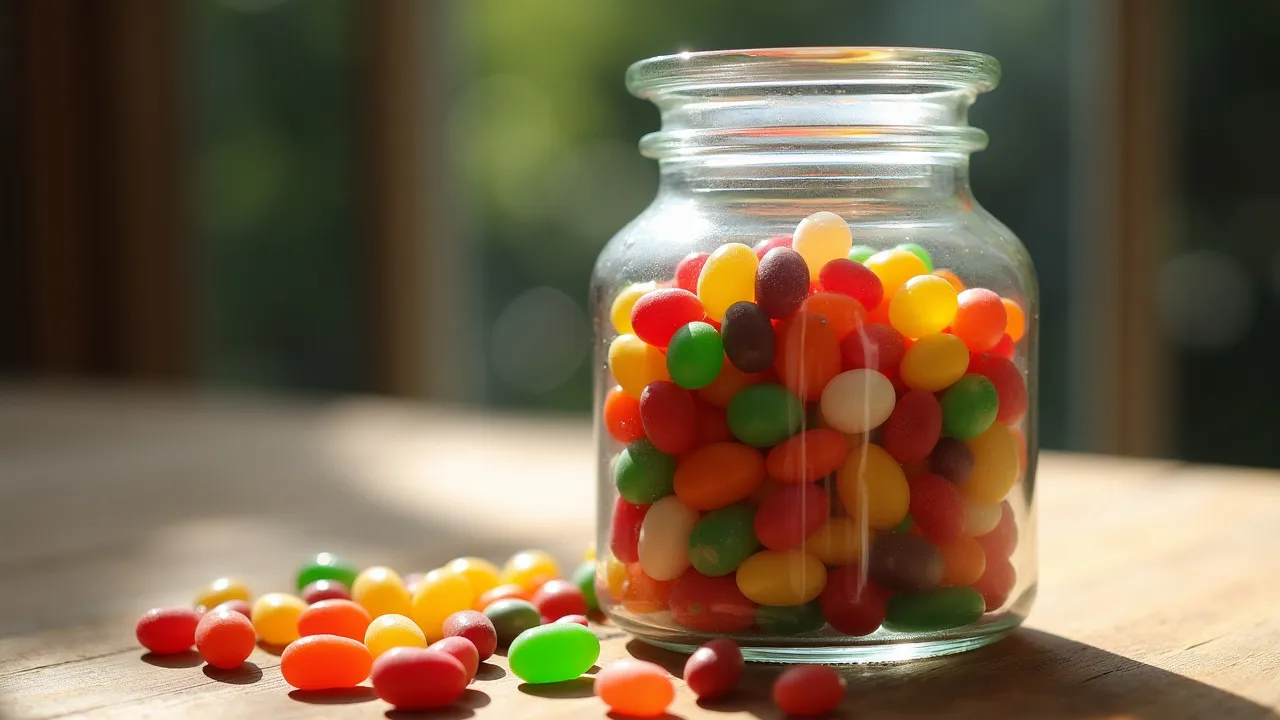
National Jelly Bean Day, observed on April 22nd, celebrates the beloved chewy candy in a rainbow of flavors. From its mysterious origins to modern-day confectionery innovations, this day honors a treat that has delighted generations worldwide.
The Historical Origins & Evolutionary Journey
National Jelly Bean Day, observed annually on April 22nd, is a tribute to one of the world's most iconic confections. The jelly bean's exact origins are shrouded in mystery, but its lineage can be traced back to the mid-19th century. This section explores the candy's fascinating history, from its uncertain beginnings to its status as a global phenomenon.
The Foundational Catalyst
The jelly bean is believed to be a descendant of Turkish delight, a chewy gelatin-based sweet, and the French pâte de fruit. The first known mention of a jelly bean in the United States dates to 1861, when a Boston confectioner named William Schrafft urged people to send jelly beans to soldiers during the Civil War. However, Schrafft's jelly beans were likely a different shape and texture than modern varieties. The candy's iconic bean shape and hard shell coating were perfected later, around the turn of the 20th century, when the panning process (used to create a smooth, shiny shell) was refined.
The Legislative/Official Adoption
National Jelly Bean Day does not have a single legislative origin; rather, it emerged organically through marketing campaigns by candy manufacturers. The day became widely recognized in the 1980s, thanks in part to the popularity of Jelly Belly jelly beans, which were introduced in 1976. President Ronald Reagan, an avid Jelly Belly fan, kept jars of jelly beans in the Oval Office and aboard Air Force One, boosting the candy's profile. Though no official proclamation exists, April 22nd was adopted by candy associations and fans as the de facto date.
Modern Global Legacy
Today, jelly beans are enjoyed worldwide, with countless flavors, from traditional fruit to gourmet varieties. The holiday encourages both nostalgic consumption and innovative uses, such as in baking or art. The jelly bean's enduring appeal lies in its simplicity, versatility, and the joy of its vibrant colors.
How to Celebrate National Jelly Bean Day
National Jelly Bean Day on April 22nd offers endless opportunities for fun and indulgence. Here is the ultimate guide to celebrating this sweet holiday, tailored for individuals, families, schools, and organizations around the globe.
For Individuals & Families
- Host a Tasting Party: Gather an assortment of jelly bean brands (Jelly Belly, Brach's, etc.) and blindfold taste testers to guess flavors.
- DIY Jelly Bean Crafts: Use jelly beans to create mosaics, jewelry, or decorate picture frames.
- Jelly Bean Baking: Incorporate jelly beans into cookies, cupcakes, or Rice Krispie treats for a colorful twist.
For Schools & Educational Settings
- Math & Science Lessons: Use jelly beans for counting, sorting by color, or simple probability experiments.
- History Projects: Have students research the history of candy manufacturing and present their findings.
- Art Classes: Create jelly bean collages or still-life drawings.
For Organizations & Corporate Teams
- Jelly Bean Jar Guessing Contest: Fill a jar with jelly beans and have employees guess the number; closest wins a prize.
- Flavor Innovation Competition: Challenge teams to create a new jelly bean flavor concept, with the winning flavor submitted to a candy company.
- Charity Donations: Partner with a local candy store to donate jelly beans to children's hospitals or senior centers.
Global Traditions
While National Jelly Bean Day is primarily observed in the United States, other countries have their own adaptations. In the United Kingdom, jelly beans are called "jelly babies" (though they are different candies). In Australia, the day is celebrated with giant jelly bean sculptures and community candy swaps. No matter where you are, the joy of jelly beans unites people of all ages.
The Art & Science of Jelly Bean Manufacturing
Behind every jelly bean lies a complex manufacturing process that blends food science with artistry. This section delves into how jelly beans are made, from ingredients to the iconic shell.
Ingredients and Recipe
The core of a jelly bean is a chewy center made from sugar, corn syrup, gelatin or starch, and natural or artificial flavorings. Modern jelly beans use modified food starch for a softer texture. The shell is created through a panning process, where the centers are tumbled in a rotating drum while sugar syrup and colorings are gradually added, building up a hard shell that is polished until shiny.
The Panning Process
- Center Formation: The liquid candy mixture is deposited into bean-shaped molds and cooled.
- Panning: Centers are placed in revolving copper pans; syrup is added in layers, allowing each to dry before the next application.
- Polishing: A final coat of confectioner's glaze (shellac) gives the beans their signature gloss.
- Flavor Ingredient: Flavors are added either to the center or the shell, with some gourmet beans using real fruit purees.
Quality Control
Manufacturers ensure consistency in size, color, and flavor through rigorous testing. Major brands like Jelly Belly have flavor tasters who sample each batch to maintain high standards.
Global Impact and Cultural Significance
Jelly beans have transcended their candy status to become cultural icons. They appear in literature, film, and art, and have even made their way into space.
In Pop Culture
- Ronald Reagan's Love: The 40th U.S. President famously ate jelly beans to quit smoking; he kept a jar on his desk and even sent them to the crew of the Space Shuttle Challenger in 1983.
- Harry Potter: Bertie Bott's Every Flavor Beans in the Harry Potter series are inspired by real jelly beans, featuring odd flavors like earwax and vomit.
- Music and Art: Songs like "Jelly Bean" by Big Band artists and jelly bean mosaics by contemporary artists celebrate the candy's visual appeal.
Economic Impact
The jelly bean industry generates hundreds of millions of dollars annually. The Jelly Belly Candy Company, the largest manufacturer, produces over 100 flavors and exports to over 25 countries. National Jelly Bean Day boosts sales and encourages seasonal promotions.
Health, Nutrition, and Dietary Considerations
While jelly beans are a treat, understanding their nutritional profile helps consumers make informed choices. Here is what you need to know.
Nutritional Facts
A serving of 10 standard jelly beans (about 30 grams) contains approximately 100-120 calories, all from sugar, with no fat or protein. They are gluten-free, fat-free, and often vegan (if gelatin is replaced with plant-based starch). However, they offer no significant vitamins or minerals.
Allergies and Intolerances
- Gelatin: Traditional jelly beans contain gelatin from animal sources, making them unsuitable for vegetarians and vegans. Many brands now offer starch-based versions.
- Artificial Colors: Some artificial dyes (e.g., Red #40, Yellow #5) may cause allergic reactions in sensitive individuals. Natural color options exist but are less common.
- Cross-Contamination: Facilities may process nuts, dairy, or soy, so check labels for allergen warnings.
Enjoyment in Moderation
Dietitians recommend limiting candy intake as part of a balanced diet. National Jelly Bean Day can be celebrated with portion-controlled servings or sugar-free alternatives for those with diabetes.
Jelly Bean Flavor Innovations and Trends
The world of jelly bean flavors has exploded far beyond the original fruit assortments. This section explores the most innovative and unusual flavors that have emerged.
Classic vs. Gourmet
Traditional jelly beans come in fruit punch, cherry, lemon, and licorice. Gourmet brands like Jelly Belly have pioneered flavors such as buttered popcorn, toasted marshmallow, and even chili mango.
Limited Editions and Seasonal Flavors
- Holiday Themes: Pumpkin pie for Halloween, eggnog for Christmas, and candy corn for Thanksgiving.
- Collaborations: Brand partnerships (e.g., with Starbucks for coffee-flavored beans) and movie tie-ins (e.g., The Incredibles line).
The Future: Functional and Exotic
Candy makers experiment with sour, spicy, and even savory profiles. Some brands incorporate caffeine, vitamins, or probiotics. The trend toward natural ingredients is also driving demand for organic, non-GMO jelly beans.
Historical Timeline
Boston confectioner William Schrafft suggests sending jelly beans to soldiers in the Civil War, marking one of the first known mentions of the candy in the U.S.
Jelly beans become a popular penny candy, sold by weight from glass jars in general stores across America.
The panning process is refined, creating the hard shell that characterizes modern jelly beans.
The Jelly Belly Candy Company is founded, introducing gourmet jelly beans in dozens of flavors.
President Ronald Reagan begins his first term and popularizes jelly beans by keeping them in the Oval Office.
Jelly Belly jelly beans become the first jelly beans in space, included in the Space Shuttle Challenger's payload.
National Jelly Bean Day gains traction through candy industry marketing, with April 22nd becoming widely celebrated.
Jelly Belly introduces the 'BeanBoozled' line, pairing delicious flavors with shocking ones, like vomit and earwax, inspired by Harry Potter's Bertie Bott's Every Flavor Beans.
National Jelly Bean Day is recognized by major food holidays websites, solidifying its annual observance.