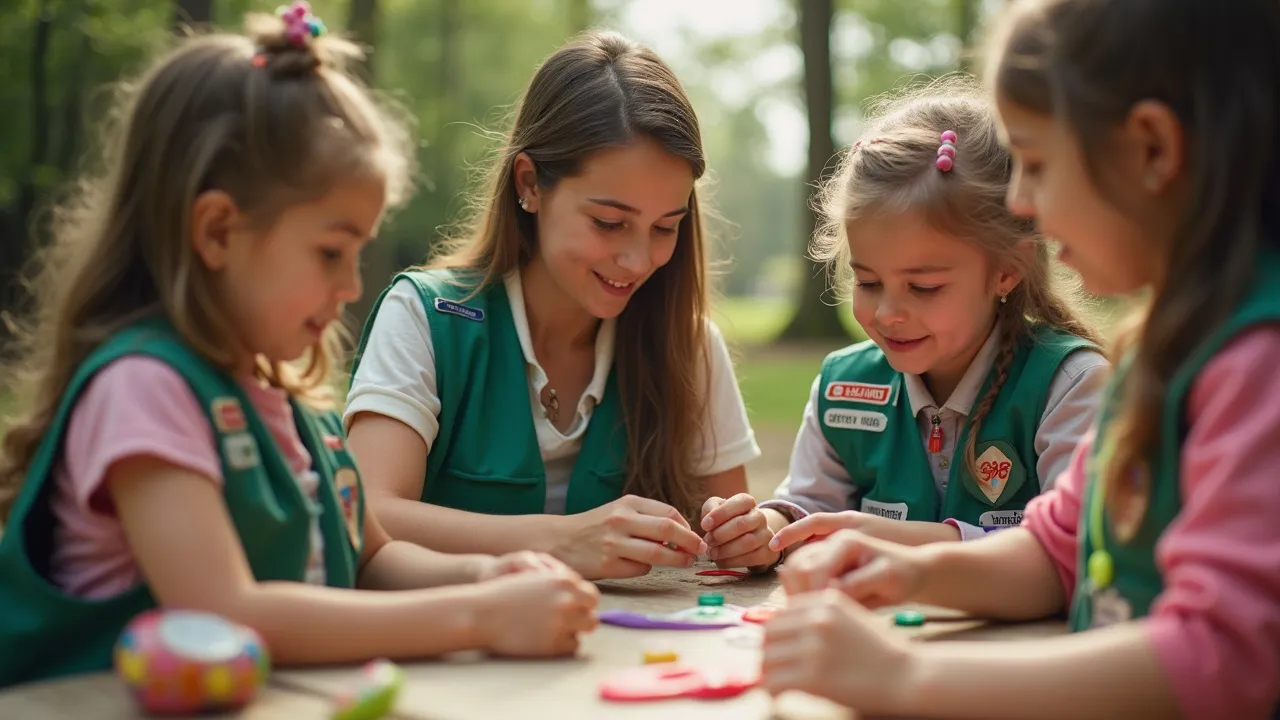
Girl Scout Leader's Day, observed on April 22nd, honors the dedicated volunteers who lead Girl Scout troops worldwide. It celebrates their mentorship, leadership, and commitment to empowering girls through the Girl Scout program.
The Historical Origins & Evolutionary Journey
Girl Scout Leader's Day was established in 1990 by the Girl Scouts of the USA to recognize the invaluable contributions of adult volunteers who lead Girl Scout troops. The day was chosen to fall on April 22nd, strategically placed during National Volunteer Week to amplify the message of service.
The Foundational Catalyst
The origins trace back to the founding of the Girl Scouts in 1912 by Juliette Gordon Low. From the outset, the organization relied on volunteer leaders to guide girls in character development, outdoor skills, and community service. By the mid-20th century, the number of volunteers had grown exponentially, yet formal recognition remained scarce. In 1989, a coalition of troop leaders and council staff proposed a dedicated day to thank these unsung heroes. The proposal gained momentum during the 75th anniversary celebrations of the Girl Scouts, culminating in the official proclamation in 1990.
The Legislative/Official Adoption
While not a federal holiday, Girl Scout Leader's Day gained official recognition through a joint resolution in the U.S. Congress. Senators and representatives issued statements encouraging communities to honor local leaders. Over the years, state governors have issued similar proclamations. The day is also promoted by the World Association of Girl Guides and Girl Scouts (WAGGGS), encouraging global participation.
Modern Global Legacy
Today, Girl Scout Leader's Day is celebrated across the United States and in many countries where Girl Guiding exists. It has evolved from a simple thank-you into a nationwide movement of appreciation, with events ranging from troop-hosted brunches to social media campaigns using hashtags like #GirlScoutLeadersDay. The day also serves as a recruitment tool, highlighting the impact of volunteering.
How to Celebrate Girl Scout Leader's Day
Celebrating Girl Scout Leader's Day is about showing genuine appreciation for the time, energy, and passion that leaders invest in young girls. Here is a comprehensive guide with actionable ideas for individuals, troops, schools, and organizations.
For Individuals and Families
- Write a heartfelt thank-you note: Personalize it with specific memories or lessons learned under the leader's guidance.
- Create a scrapbook or photo album: Compile pictures from troop events, outings, and meetings to present as a keepsake.
- Bake or cook a treat: Homemade cookies, cakes, or snacks are a classic way to show gratitude.
- Make a donation in the leader's name: Contribute to the Girl Scout council or a cause the leader supports.
For Troops and Service Units
- Host an appreciation ceremony: Organize a formal or informal event with speeches, awards, and entertainment by the girls.
- Arrange a surprise party: Coordinate with other parents to set up a surprise luncheon or coffee break.
- Present a personalized gift: Consider a custom tote bag, a engraved plaque, or a gift certificate for a spa or bookstore.
- Plant a tree or garden: Commemorate the leader's contribution with a living tribute at the troop meeting place or local park.
- Feature leaders in newsletters or social media: Highlight their stories and achievements.
- Partner with local businesses: Arrange discounts or special offers for Girl Scout leaders on April 22nd.
- Hold a volunteer fair: Use the day to recruit new leaders by showcasing the rewarding experience.
For Schools and Community Organizations
Global Celebrations
While primarily a U.S. observance, Girl Scout Leader's Day is increasingly recognized internationally. In the United Kingdom, Girlguiding UK encourages units to hold ‘Thank You’ events. In Canada, similar days align with National Volunteer Week. In Australia and New Zealand, local councils organize leader recognition dinners.
The Impact of Girl Scout Leaders on Youth Development
Girl Scout leaders play a pivotal role in shaping the lives of millions of girls. Research from the Girl Scout Research Institute shows that girls in troops led by engaged volunteers are more likely to develop leadership skills, self-confidence, and a sense of civic duty.
Building Skills for Life
Leaders facilitate activities that teach financial literacy through cookie sales, outdoor survival through camping trips, and STEM proficiency through badges and workshops. They act as role models, demonstrating perseverance, empathy, and ethical decision-making.
Fostering Inclusivity
Many leaders go above and beyond to ensure every girl feels welcome, adapting activities for girls with disabilities, English language learners, or from diverse socioeconomic backgrounds. This creates a safe space where all girls can thrive.
Community Engagement
Leaders often organize service projects that connect girls with local charities, food banks, and environmental initiatives. This instills a lifelong habit of volunteerism. According to a Girl Scout alum survey, 70% of women who were former Girl Scouts attribute their community involvement to their troop leader's influence.
Recognition and Awards for Outstanding Leaders
Girl Scout Leader's Day is also an opportunity to present formal awards that acknowledge exceptional service. The Girl Scouts of the USA offer several recognition programs.
Volunteer Appreciation Certificates
Councils provide printable certificates that leaders can receive from their troop or service unit. These are often signed by council executives and local dignitaries.
The Appreciation Pin
Awarded to volunteers who have made significant contributions beyond the troop level, such as organizing events or training new leaders.
The Honor Pin
This higher honor recognizes volunteers who have delivered exceptional service over an extended period and have had a measurable impact on the council.
The Thanks Badge
The highest honor a council can bestow, given for truly outstanding service that has benefited the entire council or community.
The Thanks Badge II
For those who have already received the Thanks Badge and continue to serve at an exceptional level.
Nominations for these awards are often encouraged on Leader's Day, with ceremonies held in the following months.
Global Perspectives and WAGGGS Involvement
While Girl Scout Leader's Day is a U.S. creation, the World Association of Girl Guides and Girl Scouts (WAGGGS) promotes similar appreciation initiatives worldwide. Given that volunteer leaders are the backbone of guiding in 152 countries, many member organizations have adopted their own recognition days.
United Kingdom: Girlguiding Volunteer Thank You Day
Held in May, this day encourages units to host special events to thank leaders. Many local municipalities issue proclamations.
Canada: National Volunteer Week Collaboration
Canadian Guiding aligns leader appreciation with National Volunteer Week, often featuring leader spotlights in local media.
Australia and New Zealand
Guides Australia and GirlGuiding New Zealand celebrate leader appreciation on a council-by-council basis, with many holding awards nights in April or June.
Developing Countries
In many WAGGGS member countries where resources are limited, appreciation often takes the form of community gatherings, songs, and handmade gifts. The emphasis is on gratitude rather than material rewards.
Future of Girl Scout Leadership and Volunteerism
As society evolves, so does the role of the Girl Scout leader. The 21st century has brought new challenges and opportunities, from virtual troop meetings during the pandemic to an increased focus on STEM and environmental action.
Digital Transformation
Many leaders now use digital tools to plan activities, communicate with parents, and track badge progress. The Girl Scout Volunteer Toolkit app has become essential. Leaders are also leveraging social media to showcase troop achievements and recruit volunteers.
Emphasis on Diversity and Inclusion
Girl Scouts of the USA has made concerted efforts to recruit leaders from underrepresented communities, ensuring that all girls see themselves reflected in their mentors. Programs like the ‘Leadership for All’ initiative provide training on cultural competency and inclusive practices.
Environmental Stewardship
With the new Climate Change badge series, leaders are guiding girls to become environmental advocates. Many troops participate in local clean-ups, tree planting, and sustainability projects.
Recruitment and Retention
One of the biggest challenges is retaining volunteers. In response, councils are offering more flexible roles, micro-volunteering opportunities, and enhanced training. Leader's Day serves as a powerful reminder of the joy and impact of volunteering, encouraging both current and prospective leaders to stay engaged.
Historical Timeline
Juliette Gordon Low founded the Girl Scouts of the USA in Savannah, Georgia, with 18 girls and a small group of volunteer leaders.
The number of Girl Scout volunteers surpassed 1 million for the first time, prompting calls for official recognition.
A coalition of troop leaders and council staff proposed a dedicated day to honor volunteers during the 75th anniversary year.
Girl Scout Leader's Day was officially established by the Girl Scouts of the USA, observed on April 22nd to coincide with National Volunteer Week.
The U.S. Congress passed a joint resolution recognizing April 22nd as National Girl Scout Leader's Day, encouraging communities to participate.
The World Association of Girl Guides and Girl Scouts (WAGGGS) endorsed the concept, encouraging member organizations to adopt similar appreciation days.
Centennial of Girl Scouting featured special leader recognition events nationwide, with over 50,000 volunteers honored through local ceremonies.
During the COVID-19 pandemic, virtual celebration ideas were shared widely, including video tributes and online thank-you cards.