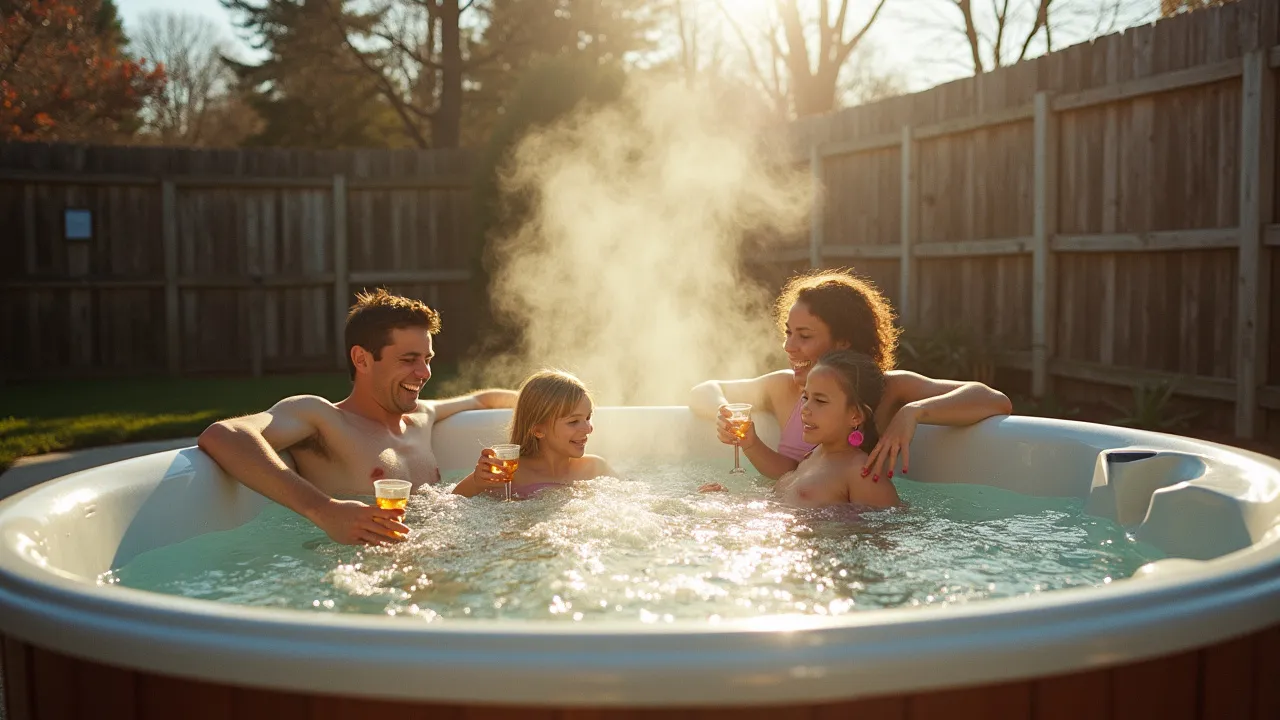
Celebrate National Hot Tub Day on March 28th! Discover the history, health benefits, and ways to enjoy hydrotherapy. From ancient Roman baths to modern spas, this day honors relaxation and wellness.
The Historical Origins & Evolutionary Journey
National Hot Tub Day, observed annually on March 28th, traces its roots to the ancient practice of communal bathing. While the modern hot tub emerged in the 20th century, the concept of soaking in warm water for health and relaxation dates back thousands of years.
The Foundational Catalyst
The hot tub as we know it began with the invention of the first self-contained spa in the 1950s. The Jacuzzi brothers, originally Italian immigrants, developed a pump that could circulate water, leading to the first portable hydrotherapy unit. In 1968, Roy Jacuzzi invented the first fully integrated whirlpool bath, which became the predecessor of today's hot tubs.
The Legislative/Official Adoption
National Hot Tub Day was officially established in 2010 by the Association of Pool & Spa Professionals (APSP) to promote the wellness and social benefits of hot tubs. The date March 28th was chosen to mark the beginning of spring, a time when people prepare for outdoor leisure. The day gained recognition through industry campaigns and social media, becoming a unofficial holiday for spa enthusiasts.
Modern Global Legacy
Today, National Hot Tub Day is celebrated across the United States and internationally. It highlights the therapeutic benefits of hydrotherapy, including stress relief, muscle relaxation, and improved circulation. The observance also serves as a marketing opportunity for manufacturers and retailers, who offer special promotions and events. As awareness grows, the day has expanded to include educational components about safety and maintenance.
How to Celebrate National Hot Tub Day
Whether you own a hot tub, have access to a spa, or simply enjoy warm baths, there are many ways to mark National Hot Tub Day. This guide provides actionable ideas for individuals, families, and communities.
For Individuals
- Schedule a soak session: Set aside at least 30 minutes to relax in a hot tub, focusing on deep breathing and mindfulness.
- Try hydrotherapy exercises: Gentle stretching in warm water can improve flexibility and reduce muscle tension.
- Spa at home: If you don't have a hot tub, enjoy a warm bath with Epsom salts and essential oils to mimic the experience.
For Families and Friends
- Host a hot tub party: Invite close friends or family for an evening of conversation and relaxation. Provide non-alcoholic beverages and healthy snacks.
- Play water-safe games: Use floating activities that are safe for spa use, such as waterproof cards or small floating toys.
- Share on social media: Post photos using #NationalHotTubDay to join the global celebration and inspire others.
For Organizations
Wellness centers, spas, and retailers can offer special promotions, free trials, or educational workshops on hot tub benefits and maintenance. Community pools may host open-house events to introduce hydrotherapy to new users.
International Traditions
In Japan, hot tub days often blend with onsen culture, emphasizing natural hot springs. In Nordic countries, the ritual of alternating between a hot tub and cold plunge is popular for circulation and immunity. In the United States, the day is often paired with outdoor grilling or backyard gatherings.
Health Benefits of Hydrotherapy
Soaking in a hot tub offers numerous physical and mental health advantages, backed by scientific research. The combination of warmth, buoyancy, and massage promotes healing and well-being.
Physical Benefits
- Muscle relaxation: The heat reduces muscle tension and alleviates soreness, making it beneficial after exercise or for chronic pain conditions.
- Improved circulation: Warm water dilates blood vessels, enhancing blood flow and oxygen delivery to tissues.
- Joint relief: Buoyancy reduces pressure on joints, helping those with arthritis or mobility issues.
- Better sleep: The drop in body temperature after a soak signals the body to prepare for rest, improving sleep quality.
Mental Health Benefits
- Stress reduction: The warm environment and massage jets stimulate the release of endorphins and lower cortisol levels.
- Mindfulness: The sensory experience encourages being present, similar to meditation.
- Social bonding: Sharing a hot tub with others fosters conversation and strengthens relationships.
Consult a healthcare provider before using a hot tub if you have cardiovascular conditions, are pregnant, or have open wounds. Stay hydrated and limit sessions to 15-30 minutes.
Hot Tub Industry & Economic Impact
The hot tub industry contributes significantly to the global leisure market. According to recent reports, the global spa and hot tub market was valued at over $5 billion in 2023, with steady growth projected.
Key Market Trends
- Rising demand for energy-efficient models with better insulation and smart controls.
- Growth of inflatable hot tubs as affordable entry-level options.
- Integration of advanced water filtration systems using UV or ozone technology.
- Customization options including LED lighting, audio systems, and unique jet configurations.
National Hot Tub Day boosts retail sales by an estimated 15-20% in March, as consumers take advantage of promotions and prepare for spring. The day also highlights the importance of professional installation and regular maintenance to ensure longevity and safety.
Environmental Considerations & Sustainability
Modern hot tubs are becoming more eco-friendly, but users can take additional steps to reduce their environmental footprint.
Energy Efficiency Tips
- Invest in a well-insulated cover to retain heat and reduce electricity usage.
- Set the thermostat to 100°F (38°C) rather than higher temperatures to save energy.
- Use a timer to heat the tub only during peak usage times.
- Consider solar heaters or heat pumps as renewable alternatives.
Water Conservation
- Cover the hot tub when not in use to reduce evaporation.
- Use a water-saving filter system that extends the time between water changes.
- Reuse drained water for garden irrigation (if chemicals are eco-friendly).
Manufacturers are increasingly using recycled materials in shells and cabinets. By choosing sustainable practices, hot tub owners can enjoy their spas responsibly.
Safety & Maintenance Best Practices
Proper hot tub maintenance ensures a safe and enjoyable experience. Neglecting can lead to bacteria growth, equipment damage, or accidents.
Water Chemistry
Test water pH and sanitizer levels at least twice a week. Ideal pH is 7.2-7.6, and free chlorine should be 3-5 ppm (or bromine 4-6 ppm). Shock the water weekly to oxidize contaminants.
Cleaning Schedule
- Clean the filter cartridges every 2-4 weeks with a filter cleaner.
- Wipe down the shell and cover with a mild cleaner monthly.
- Replace the water every 3-4 months, or more frequently with heavy use.
Safety Rules
- Never leave children unattended in a hot tub.
- Keep the temperature below 104°F (40°C) to prevent overheating.
- Do not use alcohol or drugs while soaking.
- Install a locking cover to prevent accidental drowning.
Schedule annual professional inspections to check electrical components, pumps, and heaters. Following these guidelines will extend the life of your hot tub.
Historical Timeline
Ancient Minoans build early bathhouses with heated water, precursors to modern hot tubs.
Candido Jacuzzi develops the J-300 pump to help his son with rheumatoid arthritis, leading to the first portable hydrotherapy pump.
First self-contained hot tub prototype is created using a wooden barrel and a Jacuzzi pump.
Roy Jacuzzi invents the first fully integrated whirlpool bath, the 'Jacuzzi' brand becomes synonymous with hot tubs.
Hot tubs gain popularity in California as a lifestyle product; acrylic shells replace wood for durability.
Association of Pool & Spa Professionals (APSP) establishes National Hot Tub Day on March 28th.
Pandemic leads to a surge in home hot tub sales as people seek at-home relaxation and wellness.