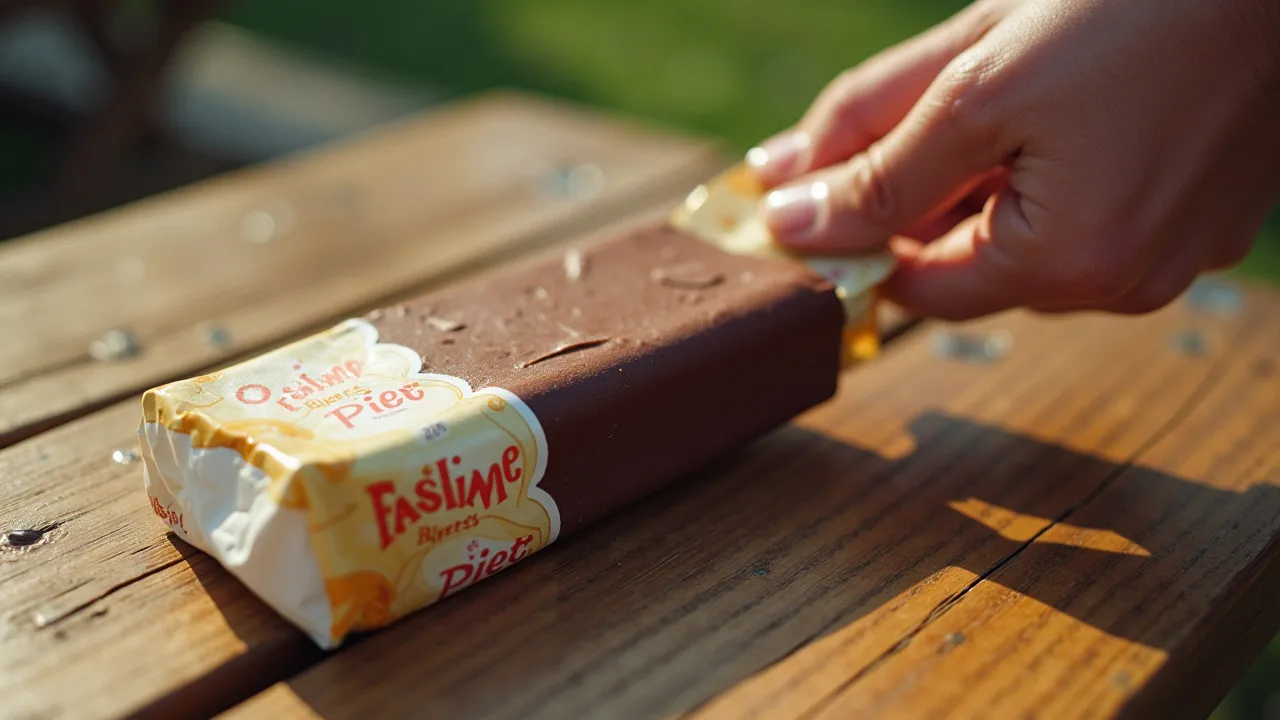
Eat an Eskimo Pie Day on March 28 celebrates the classic chocolate-covered vanilla ice cream bar invented in 1921. Enjoy this nostalgic treat and learn about its history, cultural impact, and evolving recipe.
The Historical Origins & Evolutionary Journey
Eat an Eskimo Pie Day, observed annually on March 28th, honors the invention of the Eskimo Pie, a chocolate-coated vanilla ice cream bar. The day is a celebration of a beloved American frozen treat that has sparked joy for over a century.
The Foundational Catalyst
In 1921, Christian Nelson, a candy store owner from Onawa, Iowa, experimented with dipping ice cream bars in chocolate. He discovered that adding cocoa butter to chocolate allowed it to stick to frozen ice cream without hardening too quickly. Nelson partnered with Russell C. Stover, a fellow candy maker, to mass-produce the product. They named it the Eskimo Pie after the indigenous people of the Arctic, aiming to evoke images of cold climates.
The Legislative/Official Adoption
The Eskimo Pie quickly gained popularity, and a patent was filed in 1922. The day itself, however, emerged as a cultural observance rather than a legislated holiday. It was likely established by the company or enthusiasts to promote the treat. March 28th was chosen as the official date, possibly tied to the original patent or a marketing campaign. Over the decades, the day has been recognized in various media and by ice cream enthusiasts.
Modern Global Legacy
Today, the Eskimo Pie is sold under various names due to trademark and cultural sensitivity issues. In some regions, it is called Edy's Pie or simply chocolate-covered ice cream bar. The day remains a nostalgic celebration of summertime treats and American innovation in confectionery.
How to Celebrate Eat an Eskimo Pie Day
Celebrating Eat an Eskimo Pie Day is simple and enjoyable. Whether you are an individual, a family, or a business, there are many ways to honor this classic dessert. Here is a definitive guide to celebrating on March 28th.
For Individuals and Families
- Enjoy an Eskimo Pie: Purchase an original Eskimo Pie or a similar chocolate-covered ice cream bar from a local grocery store or ice cream shop.
- Make Your Own: Create homemade versions using vanilla ice cream and melted chocolate with a bit of coconut oil for a smooth coating.
- Host a Tasting Party: Invite friends and family to sample different brands and variations, including dark chocolate, milk chocolate, and even vegan options.
For Schools and Community Groups
- Educational Session: Teach kids about the history of frozen treats and the science behind chocolate coating staying on ice cream.
- Vintage Advertisement Analysis: Look at old Eskimo Pie ads from the 1920s-1950s to discuss marketing and cultural perceptions.
- Fundraiser: Sell Eskimo Pies to raise money for a local cause, tying in the theme of community and nostalgia.
For Businesses and Organizations
- Corporate Treat Distribution: Give out free Eskimo Pies to employees and customers to boost morale and celebrate a quirky holiday.
- Social Media Campaign: Share historical facts, user-generated photos with hashtags like #EatAnEskimoPieDay and #EskimoPieDay.
- Limited-Edition Flavors: Ice cream shops can create special variations, such as adding caramel or sprinkles, to attract attention.
No matter how you celebrate, the goal is to enjoy a delicious treat and reflect on its place in American culinary history.
Cultural Impact and Controversy
While the Eskimo Pie is a nostalgic favorite, its name has become controversial in recent decades. The term 'Eskimo' is considered by many Inuit and Yupik people to be derogatory, as it was imposed by colonial settlers and is not used by indigenous groups themselves. This has led to debates about the appropriateness of the product's branding.
In 2020, the company Dreyer's Grand Ice Cream (which owns the Eskimo Pie brand) announced plans to review and change the name and packaging. In 2021, the product was rebranded as Edy's Pie in some markets, though original packaging still appears in others. The day itself, however, continues to be celebrated under the original name by many who view it as a historic term.
This controversy highlights broader discussions about cultural appropriation and the need for sensitivity in marketing. The day can serve as an opportunity to educate about indigenous histories and the importance of respectful language.
The Recipe Evolution Over a Century
When Christian Nelson invented the Eskimo Pie in 1921, the recipe was straightforward: a block of vanilla ice cream on a stick dipped in a chocolate coating made with cocoa butter. Over the years, the recipe has evolved to meet changing tastes and dietary needs.
Original Ingredients
- Ice Cream: Rich vanilla ice cream made with cream, sugar, and vanilla extract.
- Chocolate Coating: A blend of cocoa butter, chocolate liquor, and sugar, which solidifies quickly on cold ice cream.
Modern Variations
- Low-Fat and No-Sugar-Added: Using artificial sweeteners and reduced fat content to appeal to health-conscious consumers.
- Vegan Options: Made with coconut milk or almond milk ice cream and dairy-free chocolate.
- Flavor Twists: Chocolate chip cookie dough, strawberry, and chocolate fudge center versions.
The production process has also become more automated, but the fundamental principle of coating frozen ice cream with a fatty chocolate remains unchanged.
Marketing and Nostalgia in Pop Culture
The Eskimo Pie has appeared in numerous television shows, movies, and advertisements, cementing its place in American pop culture. Vintage ads from the 1920s and 1930s often featured cartoon Eskimo characters and slogans like "A pure delight." The brand was also known for its iconic red-and-white wrapper.
In recent years, the treat has been featured in nostalgic retrospectives, such as in articles about classic ice cream bars. It is often associated with summer, childhood, and simpler times. The day encourages people to reconnect with these memories and share them with new generations.
Social media platforms like Instagram and TikTok see spikes in posts on March 28th, with users sharing photos of their Eskimo Pies and homemade versions. This digital celebration helps keep the tradition alive.
Global Variations and Similar Treats
While the Eskimo Pie is an American classic, similar chocolate-covered ice cream bars exist worldwide. In Australia, the Paddle Pop offers a similar experience but often with fruity flavors. In the UK, Magnum bars are a premium alternative. In Japan, Gari Gari Kun cola-flavored ice pops are popular, though not identical.
The international appeal of these treats demonstrates the universal love for combining cold, creamy ice cream with a crunchy chocolate shell. Eat an Eskimo Pie Day can be a gateway to exploring these global variations, perhaps by trying a different country's version each year.
Additionally, many countries have their own themed days for ice cream treats, such as National Ice Cream Day in the US (third Sunday of July) or International Ice Cream Day (first Sunday of June).
Historical Timeline
Christian Nelson invents the first chocolate-covered ice cream bar in Onawa, Iowa. He calls it the 'Eskimo Pie.'
Nelson and Russell C. Stover patent the process and begin mass production. The Eskimo Pie becomes a national sensation.
Stover sells his interest in the company to Nelson, who continues to expand the brand.
Eskimo Pie becomes a staple at soda fountains and drugstores across the United States.
The brand is acquired by a larger conglomerate, and production moves to modern factories.
Concerns about the term 'Eskimo' begin to surface, leading to discussions about rebranding.
Dreyer's Grand Ice Cream announces it will review the Eskimo Pie name and packaging in light of racial sensitivity.
The product is rebranded as 'Edy's Pie' in some markets, though the original name persists in others. The day continues to be celebrated as 'Eat an Eskimo Pie Day.'