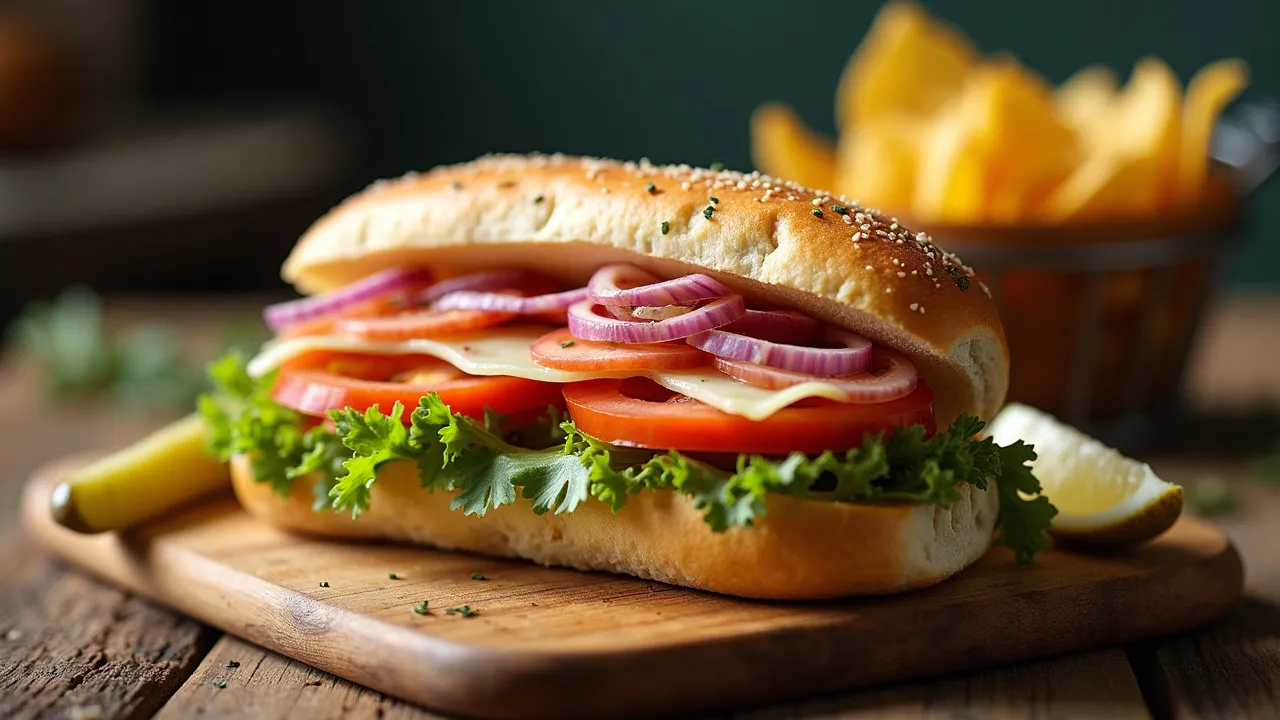
Celebrated on May 5th, National Hoagie Day honors the iconic Italian-American sandwich born in Philadelphia. Food lovers across the country enjoy hoagies in all their variations, from classic Italian cold cuts to creative gourmet twists.
The Historical Origins & Evolutionary Journey
National Hoagie Day, observed annually on May 5th, pays tribute to one of America's most beloved sandwiches: the hoagie. This elongated roll filled with Italian cold cuts, cheese, lettuce, tomato, onions, and a drizzle of oil and vinegar has a rich history deeply rooted in Philadelphia's working-class immigrant communities. The hoagie's exact birthplace is disputed, but its story reflects the fusion of Italian culinary traditions with American ingenuity.
The Foundational Catalyst
The hoagie likely emerged in the early 20th century among Italian shipyard workers in Philadelphia. According to popular lore, the sandwich was first created by Italian immigrants working at World War I-era shipyards on Hog Island. They brought crusty bread, cold cuts, and cheese to work, assembling them into a hearty meal. The sandwich was initially called a "hoggie" after the island, eventually evolving into "hoagie." Another account credits a sandwich shop on Philadelphia's 9th Street Market (the Italian Market) with inventing the sandwich in the 1930s, serving it to local workers.
The Legislative/Official Adoption
Unlike official national holidays, National Hoagie Day was not established by legislative act. Instead, it originated from the Philadelphia Hoagie Festival, a community event celebrating the sandwich. The festival began in the early 2000s, and May 5th was chosen to coincide with the start of hoagie season—spring, when fresh produce becomes available. The day gained traction through social media, deli promotions, and regional pride. In 2007, the Pennsylvania legislature officially recognized the hoagie as the state's official sandwich, further cementing its cultural status.
Modern Global Legacy
Today, the hoagie is a staple not only in Philadelphia but across the United States and beyond. It has spawned countless variations, from chicken cheesesteak hoagies to vegetarian and vegan options. National Hoagie Day encourages people to explore the sandwich's versatility, whether through traditional recipes or innovative new combinations. The holiday also supports local delis and bakeries, highlighting the importance of artisan bread and quality ingredients.
How to Celebrate National Hoagie Day
National Hoagie Day offers endless opportunities for indulgence and appreciation. Whether you're a purist or an adventurous eater, there's a way to join the celebration. Below are comprehensive strategies for individuals, families, schools, and organizations to make the most of this food holiday.
For Individuals and Families
- Make Your Own Hoagie: Start with a fresh, crusty Italian or French roll. Layer on thinly sliced Genoa salami, capicola, ham, provolone cheese, shredded lettuce, sliced tomatoes, red onions, and pickled peppers. Drizzle with red wine vinegar and olive oil, then sprinkle with oregano and salt.
- Visit a Local Deli: Support your neighborhood Italian deli or sandwich shop. Many offer special deals on May 5th. Try a classic Italian hoagie or a regional specialty like the "Gobbler" (with turkey, stuffing, and cranberry sauce).
- Host a Hoagie Party: Invite friends and family to build their own sandwiches. Provide a variety of meats, cheeses, toppings, and condiments. Offer chips, pickles, and drinks to complete the meal.
For Schools and Educational Events
- Teach the History: Incorporate a lesson on the hoagie's origins, discussing immigration, labor history, and cultural fusion. Students can research the sandwich's evolution and present their findings.
- Hoagie-Making Contest: Organize a friendly competition where students create unique hoagie recipes. Judging criteria could include taste, presentation, and creativity.
- Field Trip to a Bakery: Visit a local bakery to learn about bread-making. Understanding how hoagie rolls are made enhances appreciation for the sandwich's foundation.
For Organizations and Businesses
- Employee Appreciation: Provide hoagies for staff lunches. Use the occasion to boost morale and encourage team bonding.
- Charity Hoagie Sales: Partner with a local nonprofit to sell hoagies and donate proceeds. This combines community outreach with the celebratory spirit.
- Marketing Campaigns: Promote hoagie specials via social media, offering discounts or limited-time creations. Use hashtags like #NationalHoagieDay to join the online conversation.
The Cultural Significance of the Hoagie
The hoagie is more than a sandwich; it's a cultural emblem of Philadelphia's working-class heritage and Italian-American identity. Its name itself carries layers of meaning. The term "hoagie" likely derived from "Hog Island," the site of a World War I shipyard where Italian workers packed their lunches. Over time, the sandwich became synonymous with blue-collar resilience and the city's vibrant immigrant communities.
In Philadelphia, the hoagie is a point of pride and a subject of friendly debate. Locals fiercely defend their favorite deli and argue over the proper ratio of ingredients. The hoagie also reflects the city's ethnic diversity: Italian meats and cheeses, Jewish-style rye bread (though classic hoagie uses Italian bread), and Puerto Rican influences like roasted pork are sometimes incorporated. The sandwich has become a canvas for cultural exchange.
Nationally, the hoagie represents a broader American tradition of regionally distinct sandwiches. Alongside the New York sub, the Maine lobster roll, and the New Orleans po' boy, the hoagie embodies local identity. On National Hoagie Day, people across the country celebrate this culinary symbol, reinforcing its status as a beloved comfort food.
Hoagie vs. Sub vs. Hero: What's in a Name?
One of the most intriguing aspects of the hoagie is its shifting nomenclature across regions. The same basic sandwich—cold cuts, cheese, and toppings on a long roll—goes by many names: sub, hero, grinder, torpedo, wedge, and more. While these terms are often used interchangeably, they carry subtle differences in geography and cultural context.
- Hoagie: Predominantly used in Philadelphia and the Philadelphia metropolitan area. It typically refers to an Italian sandwich with cold cuts on an Italian roll.
- Sub: Short for "submarine sandwich," a term popular in New York and New England. It emphasizes the sandwich's shape resembling a submarine.
- Hero: Common in New York state and parts of the Midwest, possibly derived from the Greek gyro or marketing hype.
- Grinder: Used in New England, particularly for toasted or grilled sandwiches.
- Torpedo: Used in the Pacific Northwest and some parts of the South, highlighting the shape.
The existence of so many names underscores the sandwich's broad appeal and regional pride. National Hoagie Day encourages people to explore these variations and understand the local flavors that define them.
Regional Variations Across the United States
While the classic Philly hoagie sets the standard, regional adaptations have emerged across the country, each adding local ingredients and twists. This diversity enriches the hoagie experience and offers endless exploration for food lovers.
Philly Classic
The quintessential hoagie features Genoa salami, capicola, prosciutto, mortadella, provolone, lettuce, tomato, onion, and a vinaigrette of oil and vinegar. Some add hot peppers or oregano. The roll must be crusty on the outside and soft inside, typically from bakeries like Sarcone's or Liscio's.
New York Italian Sub
Similar but often includes pickled peppers, oregano, and sesame seed rolls. The term "sub" is more common here. Rose's Deli in Brooklyn is legendary for their version.
Midwest Grinders
In the Great Lakes region, a grinder may include meatballs or eggplant, sometimes served hot. The bread is often softer, and the sandwich may be toasted.
California Hoagies
California-style hoagies lean toward fresh, healthy ingredients: avocado, sprouts, turkey, and pepper jack cheese. They often use sourdough bread, reflecting West Coast baking traditions.
Southern Hoagies
In the South, hoagies might incorporate barbecue pork, coleslaw, or even fried green tomatoes. The bread might become a bun, blurring the line between a hoagie and a BBQ sandwich.
These regional variations show how the hoagie concept adapts to local tastes, ensuring its continued popularity nationwide.
The Economics of the Hoagie Industry
The hoagie is a significant economic driver in the food industry, particularly in Philadelphia and neighboring regions. Delis, pizzerias, and fast-casual chains generate substantial revenue from hoagie sales. According to industry estimates, the average hoagie costs between $6 and $12, depending on ingredients and location. Premium hoagies with imported meats and artisan bread can fetch higher prices.
The hoagie also supports local supply chains: bakeries produce hoagie rolls; butchers provide quality cold cuts and cheeses; farmers supply produce. National Hoagie Day boosts sales for these businesses, often resulting in special promotions and increased foot traffic. The holiday also sparks media coverage, further promoting the hoagie industry.
While no exact figures calculate the hoagie's total market value, the broader sandwich industry in the US is worth over $150 billion. The hoagie's niche within that is substantial, driven by its loyal following and cultural cachet. As consumers seek convenient yet high-quality meals, the hoagie's reputation for freshness and customization ensures its economic resilience.
Historical Timeline
Italian immigrants working on Hog Island, Philadelphia, bring long rolls and cold cuts for lunch, creating the first hoagie-like sandwiches.
Philadelphia's Italian Market begins selling what becomes known as "hoagies" to local workers; the term "hoagie" gains popularity.
Hoagies spread beyond Philadelphia through television and popular culture, becoming a staple at diners and delis nationwide.
Pennsylvania declares the hoagie the official state sandwich, and National Hoagie Day begins to be celebrated on May 5th.
The first Philadelphia Hoagie Festival is held, drawing thousands of attendees and featuring over 20 local delis.
National Hoagie Day gains recognition on major food blogs and social media platforms, with trending hashtags and widespread participation.