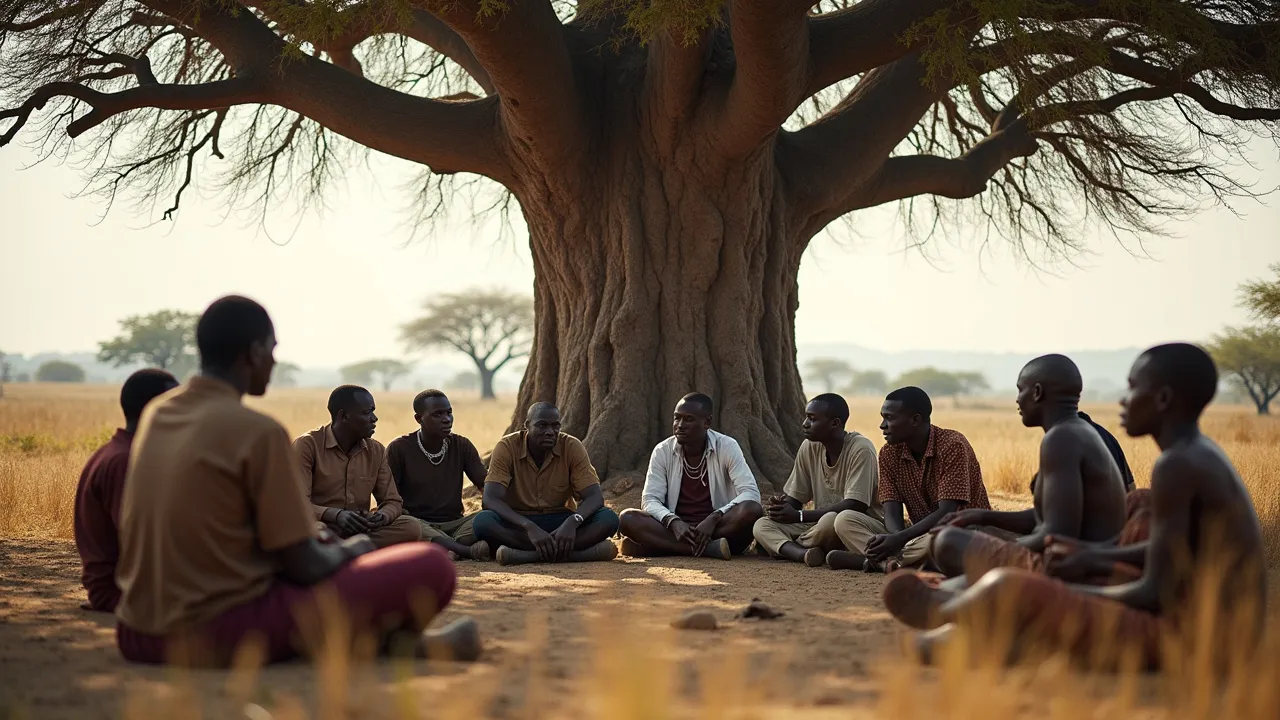
African World Heritage Day, observed on May 5th, celebrates the continent's diverse cultural and natural heritage. It raises awareness of the need to protect and preserve Africa's unique sites for future generations.
The Historical Origins & Evolutionary Journey
African World Heritage Day was proclaimed by UNESCO during its 38th General Conference in November 2015, with the first observance taking place on May 5, 2016. The day was established to celebrate the exceptional cultural and natural heritage of Africa and to highlight the ongoing efforts to preserve it.
The Foundational Catalyst
The idea stemmed from the recognition that Africa's heritage is underrepresented on the World Heritage List. Despite having numerous sites of outstanding universal value, only about 12% of World Heritage sites are in Africa. This imbalance prompted UNESCO to create a dedicated day to promote African heritage and encourage more nominations.
The Legislative/Official Adoption
The proposal was spearheaded by the African Group at UNESCO and gained unanimous support. Resolution 38 C/49 officially established African World Heritage Day, choosing May 5th to coincide with the anniversary of the 1972 World Heritage Convention's entry into force for many African states.
Modern Global Legacy
Since 2016, the day has grown into a global campaign involving governments, NGOs, local communities, and youth. Activities include heritage walks, exhibitions, lectures, and social media campaigns. The day also serves as a platform to address threats such as climate change, poaching, urban development, and armed conflict.
How to Celebrate African World Heritage Day
Celebrating African World Heritage Day can be done individually or collectively. Here are actionable strategies for different groups:
For Individuals
- Learn about African sites: Research UNESCO World Heritage sites in Africa, such as Robben Island (South Africa) or the Serengeti (Tanzania).
- Share on social media: Use hashtags like #AfricanWorldHeritageDay to spread awareness.
- Support conservation: Donate to organizations like the African World Heritage Fund.
For Schools and Universities
- Organize heritage quizzes focusing on African cultures and sites.
- Invite guest speakers from local heritage organizations.
- Create art projects inspired by African traditions.
For Organizations and Governments
- Host exhibitions showcasing archaeological finds or traditional crafts.
- Launch conservation campaigns targeting specific sites under threat.
- Facilitate youth workshops on heritage preservation techniques.
In different regions, celebrations may vary. For example, in some West African countries, communities perform traditional dances, while in East Africa, heritage walks in national parks are common.
The Significance of African Heritage Sites
Africa boasts 147 UNESCO World Heritage sites (as of 2023), including 91 cultural, 36 natural, and 20 mixed sites. These sites represent the continent's immense biodiversity, ancient civilizations, and living cultures. Key examples include:
Natural Heritage
- Mount Kilimanjaro (Tanzania) - Africa's highest peak and a critical ecosystem.
- Virunga National Park (DRC) - Home to endangered mountain gorillas.
- Okavango Delta (Botswana) - One of the world's largest inland deltas.
Cultural Heritage
- Great Zimbabwe National Monument - Ruins of a medieval city.
- Timbuktu (Mali) - Ancient center of Islamic learning.
- Goree Island (Senegal) - Memorial to the Atlantic slave trade.
Preserving these sites is vital for ecological balance, cultural identity, and economic benefits through tourism.
Challenges and Conservation Efforts
African World Heritage sites face numerous threats. Key challenges include:
- Climate change causing rising sea levels and desertification.
- Poaching and illegal wildlife trade damaging natural sites.
- Urbanization and infrastructure development encroaching on cultural sites.
- Armed conflicts leading to destruction and looting.
Conservation Initiatives
The African World Heritage Fund, established in 2006, provides financial and technical support. UNESCO works with local communities to develop sustainable management plans. International partnerships, such as the World Heritage Centre's Africa Programme, focus on capacity building and awareness.
Success stories include the removal of the Serengeti highway project, which threatened migration routes, and the restoration of the Old Town of Lamu (Kenya) after flood damage.
The Role of Youth and Education
Education is central to heritage preservation. Schools and universities across Africa integrate heritage studies into curricula. UNESCO's World Heritage Education Programme encourages young people to become involved through activities like:
- Heritage clubs that organize clean-ups and guided tours.
- Young Professionals Forums at World Heritage Committee meetings.
- Digital storytelling projects documenting local traditions.
Youth-led initiatives, such as the African Youth for World Heritage network, amplify young voices in policy discussions. On African World Heritage Day, many institutions host intergenerational dialogues to pass on knowledge.
Digital Innovation and Heritage Preservation
Technology is transforming heritage conservation. Digital tools are used for documentation, monitoring, and virtual tourism.
Examples of Innovation
- 3D scanning of sites like the Tombs of Buganda Kings (Uganda) to create detailed models.
- Drones for mapping and anti-poaching surveillance in natural parks.
- Virtual reality tours of inaccessible sites, such as the Djenné Mosque (Mali).
Social media campaigns on African World Heritage Day often feature user-generated content, allowing global audiences to explore Africa's heritage remotely. The day also highlights the need for digital archiving to protect intangible heritage.
Historical Timeline
UNESCO adopts the World Heritage Convention, providing a framework for recognizing and protecting sites of outstanding universal value.
The first African sites (e.g., Simien National Park, Ethiopia) are inscribed on the World Heritage List.
The African World Heritage Fund is established to support the preservation of heritage sites in Africa.
UNESCO's 38th General Conference proclaims May 5th as African World Heritage Day.
First official celebration of African World Heritage Day on May 5th.
The African World Heritage Day theme focuses on "Youth and Heritage".
Virtual celebrations due to COVID-19 pandemic, with online exhibitions and webinars.
147 African sites are on UNESCO's World Heritage List; ongoing efforts to increase representation.