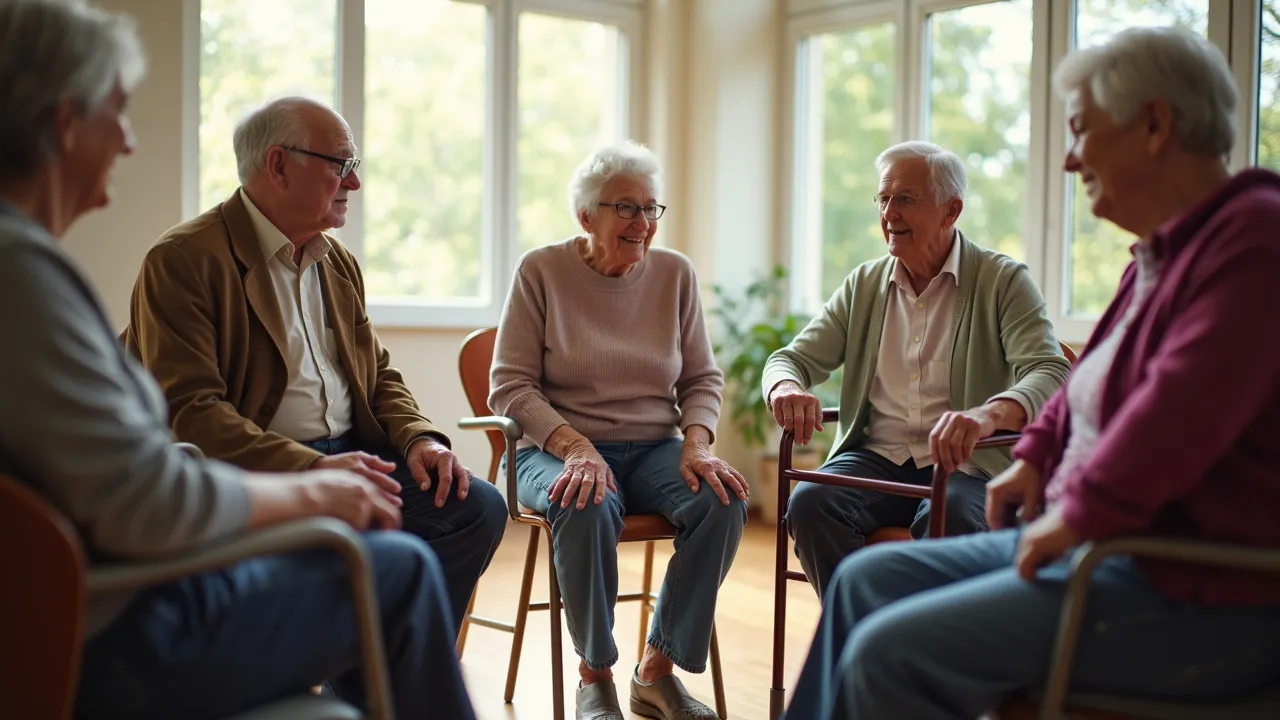
National HIV/AIDS and Aging Awareness Day on September 18th raises awareness about the unique challenges faced by older adults living with HIV, promotes testing and prevention, and combats ageism in healthcare.
The Historical Origins & Evolutionary Journey
The Foundational Catalyst
The origins of National HIV/AIDS and Aging Awareness Day (NHAAD) trace back to the early 2000s when healthcare advocates and organizations recognized a growing demographic shift: more people aged 50 and older were living with HIV. Initially, the HIV/AIDS epidemic in the 1980s and 1990s was largely associated with younger populations, but advances in antiretroviral therapy allowed individuals to live longer. By 2005, approximately 15% of new HIV diagnoses in the United States were among people aged 50 and older, and over one-third of people living with HIV were over 50.
In response, The AIDS Institute, a nonprofit organization dedicated to ending the HIV epidemic, launched the first National HIV/AIDS and Aging Awareness Day on September 18, 2008. The date was chosen to coincide with the beginning of National HIV/AIDS and Aging Awareness Week, which runs from September 18 to September 24.
The Legislative/Official Adoption
Although NHAAD is not a federal holiday, it has been recognized by the U.S. Department of Health and Human Services, the Centers for Disease Control and Prevention (CDC), and numerous state and local governments. The observance gained traction through grassroots efforts, community events, and social media campaigns. In 2010, the White House Office of National AIDS Policy acknowledged the growing need to address aging-related issues in the National HIV/AIDS Strategy.
Modern Global Legacy
Today, NHAAD is observed in many countries, including Canada, the United Kingdom, and Australia, often with local adaptations. The day emphasizes four key messages:
- HIV prevention, testing, and treatment are just as important for older adults as for younger people.
- Ageism and stigma prevent older adults from accessing care.
- Healthcare providers must be trained to recognize HIV symptoms in older patients.
- Social support systems are crucial for aging individuals living with HIV.
The observance has evolved into a platform for research, policy advocacy, and community building. Major milestones include the inclusion of aging-specific indicators in global HIV surveillance and the development of geriatric HIV clinics.
How to Celebrate National HIV/AIDS and Aging Awareness Day
Individual Actions
Everyone can participate in NHAAD by taking simple yet impactful steps:
- Get Tested: The CDC recommends that everyone aged 13-64 get tested for HIV at least once, and older adults with risk factors should be tested annually. Many clinics offer free testing on September 18th.
- Educate Yourself and Others: Learn about the specific needs of older adults living with HIV. Share accurate information on social media using hashtags like #NHAAD and #HIVandAging.
- Start a Conversation: Talk openly with older family members and friends about sexual health and HIV prevention. Combat the misconception that older adults are not sexually active.
- Volunteer: Donate time or resources to local organizations that support older adults with HIV, such as senior centers, HIV service organizations, or meal delivery programs.
Community and Organizational Initiatives
Businesses, nonprofits, and healthcare facilities can organize events:
- Health Fairs: Offer free HIV testing, blood pressure checks, and information on managing comorbidities like diabetes and cardiovascular disease common in aging HIV patients.
- Workshops: Host educational sessions on topics like medication adherence, legal planning, and mental health support.
- Social Events: Organize intergenerational mixers, art exhibitions featuring works by older adults affected by HIV, or film screenings of documentaries like "The Last One" about aging with HIV.
- Policy Advocacy: Write to elected officials urging increased funding for HIV programs targeting older adults.
School and Educational Programs
Educators can incorporate NHAAD into curricula:
- Incorporate Age-Inclusive Sex Education: Teach students that HIV affects all ages and that ageism in healthcare is harmful.
- Guest Speakers: Invite activists or healthcare professionals who work with aging HIV populations.
- Service Projects: Partner with senior centers to create intergenerational activities.
Globally, celebrations vary. In Canada, the day is often marked by the Canadian HIV/AIDS Legal Network's campaigns focusing on legal rights for older adults. In the UK, the Terrence Higgins Trust runs awareness campaigns specifically targeting those over 50. In sub-Saharan Africa, where the aging HIV population is growing rapidly due to successful treatment programs, community health workers lead home visits and support groups.
The Impact of HIV/AIDS on the Aging Population
People aging with HIV face a unique set of challenges. According to the CDC, in 2019, people aged 55 and older accounted for 17% of new HIV diagnoses in the United States. By 2030, an estimated 70% of people living with HIV in the U.S. will be over 50. This demographic shift is even more pronounced globally: in sub-Saharan Africa, nearly 3 million people over 50 are living with HIV.
Health Complications
Older adults with HIV have higher rates of cardiovascular disease, diabetes, osteoporosis, and certain cancers. The chronic inflammation caused by HIV, combined with the natural aging process, accelerates the onset of age-related conditions. Additionally, polypharmacy (taking multiple medications) increases the risk of drug interactions and side effects. Managing HIV alongside other chronic conditions requires integrated care models that address both infectious disease and geriatric medicine.
Social and Emotional Challenges
Stigma remains a major barrier. Many older adults feel ashamed or fear discrimination from healthcare providers, family, or peers. Loneliness and depression are common, especially among those who have lost partners to AIDS. Financial insecurity is also prevalent: many older adults with HIV live on fixed incomes or rely on disability benefits. Housing instability and lack of transportation further limit access to care.
Caregiver Support
Family caregivers often lack training in HIV-specific care. Support groups and respite programs are essential for sustaining care networks.
Combating Stigma and Ageism in HIV Care
Ageism in healthcare manifests when providers assume older patients are not sexually active or are not at risk for HIV. This leads to missed diagnoses and delayed treatment. A study in the Journal of the International AIDS Society found that older adults are less likely to be offered HIV tests than younger patients, even when presenting with symptoms.
Cultural Shifts
Public health campaigns must actively challenge stereotypes. For example, the "Let's Talk About HIV and Aging" campaign by The AIDS Institute uses images of vibrant older couples to normalize sexuality in later life. Healthcare providers should receive training on taking sexual histories from older patients and recognizing HIV symptoms that mimic normal aging, such as fatigue or cognitive decline.
Legal Protections
The Americans with Disabilities Act (ADA) protects people living with HIV from discrimination, but enforcement is weak. Advocacy groups work to ensure that older adults with HIV have equal access to housing, employment, and healthcare. In 2022, the Supreme Court ruled in favor of protecting HIV-positive individuals under the ADA, setting a precedent for aging populations.
Community Resilience
Peer-led support groups, like those run by the SAGE organization for LGBTQ+ elders, provide safe spaces for sharing experiences. These groups reduce isolation and empower individuals to advocate for their health.
Global Perspectives on HIV and Aging
While NHAAD is primarily a U.S. observance, the issues it highlights are universal. In high-income countries, a large proportion of people living with HIV are over 50. In low- and middle-income countries, the aging HIV population is growing but often overlooked.
Africa
In sub-Saharan Africa, where the HIV burden is highest, the number of people over 50 living with HIV has quadrupled since 2000. However, most health systems are geared toward pediatric and reproductive-age populations. The World Health Organization's guidelines for HIV care now include recommendations for non-communicable disease management, but implementation lags. Community health workers are key to reaching older adults in rural areas.
Europe
In the European Union, nearly half of all people living with HIV are now over 50. The European AIDS Clinical Society has issued guidelines for the management of older adults, focusing on comorbidity screening. Observances like NHAAD are used to highlight the need for age-appropriate clinical trials and social policies.
Asia
In Thailand, where universal antiretroviral coverage is high, the aging HIV population is increasing. The Thai Red Cross AIDS Research Centre runs clinics specifically for older adults. However, stigma remains high due to cultural taboos around sex and aging.
Medical Advancements and the Future of HIV Care for Older Adults
Advances in antiretroviral therapy (ART) have transformed HIV from a fatal diagnosis to a manageable chronic condition. Current ART regimens are less toxic and more tolerable for older patients. Integrase strand transfer inhibitors (INSTIs) like dolutegravir have fewer drug interactions and are preferred for older adults.
Comorbidity Management
Research is focusing on the intersection of HIV and aging, including studies on immunosenescence (immune system aging) and inflammation. The REPRIEVE trial is testing whether statins can reduce cardiovascular events in people with HIV. New models of care, such as the HIV-Aging Clinic at the University of California, San Francisco, combine infectious disease specialists with geriatricians.
Long-Acting Therapies
Long-acting injectable ART, such as cabotegravir/rilpivirine approved in 2021, reduces dosing to monthly or bi-monthly injections, improving adherence. This is particularly beneficial for older adults who may struggle with daily pills.
Policy Implications
As the HIV population ages, Medicare and Medicaid must adapt to cover long-term care needs, including home health aides and assisted living. The Ryan White HIV/AIDS Program already supports many older adults, but funding is not guaranteed. Advocacy for increased federal support for HIV and aging research is ongoing.
Historical Timeline
First National HIV/AIDS and Aging Awareness Day observed on September 18, founded by The AIDS Institute.
White House National HIV/AIDS Strategy includes aging as a priority area.
CDC reports that one in three people living with HIV in the United States are over 50.
American Academy of HIV Medicine launches the HIV and Aging Project to improve care standards.
FDA approves the first generic antiretroviral drug, reducing costs for older adults.
United Nations announces global target to end AIDS by 2030, emphasizing older populations.
COVID-19 pandemic exacerbates isolation for older adults with HIV; NHAAD focuses on telehealth and virtual support.
Long-acting injectable ART (cabotegravir/rilpivirine) approved for maintenance therapy.
Supreme Court ruling protects HIV-positive individuals from discrimination under the Americans with Disabilities Act.
National HIV/AIDS Strategy updated to include age-specific indicators for care and prevention.