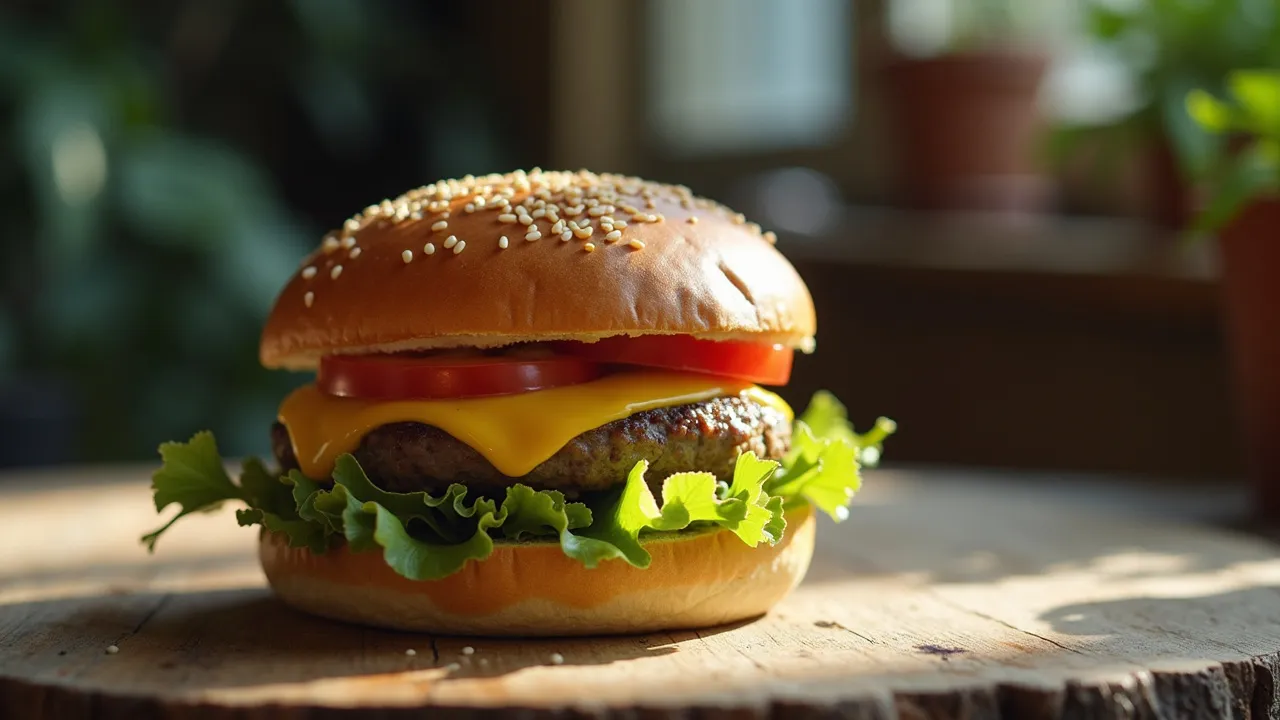
National Cheeseburger Day on September 18th celebrates the iconic American sandwich of a beef patty with melted cheese. It's a day for indulging in your favorite burger creations, from classic to gourmet.
The Historical Origins & Evolutionary Journey of the Cheeseburger
National Cheeseburger Day, observed annually on September 18th, celebrates one of America's most iconic culinary creations: the cheeseburger. The cheeseburger itself has a rich and debated history, with multiple claimants to its invention. The most widely accepted story credits Lionel Sternberger, who in 1924 at his father's sandwich shop in Pasadena, California, accidentally dropped a slice of American cheese onto a sizzling hamburger patty, creating the first cheeseburger. Another early claim comes from Louis Ballast of the Humpty Dumpty Drive-In in Denver, Colorado, who trademarked the name "cheeseburger" in 1935. Regardless of the exact origin, the cheeseburger quickly became a staple of American diners and drive-ins, symbolizing post-war prosperity and the rise of fast food.
The Foundational Catalyst
The cheeseburger's rise paralleled the growth of the American automobile culture. Drive-in restaurants and fast-food chains like McDonald's and Burger King popularized the cheeseburger in the 1950s and 1960s. The introduction of the "Double Cheeseburger" and later the "Quarter Pounder with Cheese" cemented its place in the American diet. National Cheeseburger Day was likely established as a marketing promotion by the National Day Calendar and various food chains to boost sales in the late summer. The day gained official recognition in 2001 through grassroots efforts and corporate sponsorships.
The Legislative/Official Adoption
Unlike federal holidays, National Cheeseburger Day is not government-mandated but is widely recognized by food media, restaurants, and consumers. It is listed on the National Day Calendar, a registry that tracks more than 1,500 national days in the United States. The day has been officially adopted by major burger chains such as McDonald's, Burger King, and Wendy's, which offer special deals and promotions. In 2020, the day saw record online orders and social media engagement, solidifying its status as a modern food holiday.
Modern Global Legacy
Today, the cheeseburger transcends American borders. Countries like Japan, Australia, and the United Kingdom have embraced the cheeseburger, adding local twists such as teriyaki sauce or beetroot. National Cheeseburger Day is now celebrated worldwide, with food bloggers, restaurants, and home cooks sharing their creations under hashtags like #NationalCheeseburgerDay. The day also highlights the evolution of the cheeseburger from a simple sandwich to a gourmet canvas featuring brioche buns, artisan cheeses, and plant-based patties.
How to Celebrate National Cheeseburger Day
National Cheeseburger Day on September 18th is a perfect opportunity to indulge in your favorite cheeseburger creations. Here is the definitive global guide to celebrating this delicious day.
Best Practices for Individuals
- Visit a Local Burger Joint: Support local restaurants by ordering a cheeseburger from an independent diner. Many offer special deals or limited-time creations for the day.
- Host a Burger Cookout: Fire up the grill and invite friends or family for a backyard cheeseburger party. Experiment with different cheeses like cheddar, Swiss, blue cheese, or pepper jack.
- Try a Gourmet Recipe: Elevate your cheeseburger with premium ingredients such as caramelized onions, avocado, truffle aioli, or a fried egg. Use homemade brioche buns for an artisan touch.
- Go Plant-Based: Enjoy a vegan or vegetarian cheeseburger using a plant-based patty (e.g., Beyond Meat or Impossible Burger) and dairy-free cheese to include all dietary preferences.
Interactive Traditions
- Burger Challenges: Participate in a local or online burger-eating challenge or simply compete to build the tallest or most creative cheeseburger.
- Social Media Sharing: Post a photo of your cheeseburger with the hashtag #NationalCheeseburgerDay. Some restaurants reward users with discounts.
- Burger Tasting Tour: Visit multiple restaurants in your area to sample different cheeseburger styles, from classic to gourmet, and vote for your favorite.
Corporate and Organizational Celebrations
- Office Potluck: Encourage coworkers to bring in their favorite cheeseburger components for a build-your-own burger bar.
- Customer Rewards: Restaurants can offer loyalty points, buy-one-get-one deals, or free cheeseburgers with a beverage purchase.
- Charity Tie-Ins: Some chains donate a portion of proceeds to hunger relief organizations, turning National Cheeseburger Day into a charitable event.
Global Celebration Variations
United States: Major chains like McDonald's, Burger King, and Wendy's offer special promotions, such as $1 cheeseburgers or limited-time menu items. Independent restaurants often feature unique specialty burgers. Japan: Celebrations include teriyaki cheeseburgers and rice buns from chains like MOS Burger. Australia: The day is marked by pub-style cheeseburgers with beetroot and a fried egg, often accompanied by cold beer. United Kingdom: Gourmet burger bars offer deals, and many pubs serve halal or lamb-based cheeseburgers.
No matter how you choose to celebrate, the key is to enjoy a delicious cheeseburger and appreciate its cultural significance.
The Cultural Impact of the Cheeseburger
The cheeseburger is more than just a meal; it's a cultural icon representing American ingenuity, comfort food, and globalization. It has appeared in countless films, television shows, and advertisements, often symbolizing indulgence and satisfaction. From the classic "Big Kahuna Burger" in Pulp Fiction to the Krabby Patty in SpongeBob SquarePants, the cheeseburger has permeated pop culture.
Symbol of American Identity
In the United States, the cheeseburger is frequently associated with summer barbecues, road trips, and baseball games. It embodies the American ideal of abundance and customization—everyone can have it their way. The cheeseburger's versatility allows for regional variations, such as the chili cheeseburger in the Midwest or the green chile cheeseburger in the Southwest. National Cheeseburger Day reinforces this identity by collectively celebrating a shared culinary heritage.
Economic and Social Influence
The cheeseburger industry is a multibillion-dollar sector that includes beef producers, cheese manufacturers, bun bakeries, and restaurant chains. The day provides a significant boost to the food service industry, with some restaurants reporting a 200% increase in sales on September 18th. It also fosters community engagement as people gather to eat together, whether at a restaurant or a family cookout.
Critiques and Health Movements
While the cheeseburger is beloved, it has also faced criticism for its high calorie, fat, and sodium content. In response, the industry has introduced healthier alternatives, such as turkey burgers, veggie burgers, and low-carb lettuce wraps. National Cheeseburger Day is often used by advocacy groups to promote balanced eating, but the day itself remains a celebration of indulgence, encouraging moderation rather than restriction.
Nutritional Considerations and Modern Adaptations
Cheeseburgers are often high in calories, saturated fat, and sodium, but modern adaptations allow for healthier versions without sacrificing taste. Understanding the nutritional profile can help consumers make informed choices on National Cheeseburger Day.
Classic Cheeseburger Nutrition
A standard fast-food cheeseburger (with a single beef patty, cheese, bun, ketchup, and pickles) typically contains around 300-500 calories, 15-25 grams of fat, and 600-900 milligrams of sodium. Adding bacon, extra cheese, or sauces can double these numbers. While not a daily food, an occasional indulgence fits into a balanced diet.
Healthier Alternatives
- Leaner Proteins: Use ground turkey, chicken, or plant-based patties to reduce saturated fat. The Impossible and Beyond burgers offer a meat-like texture with lower environmental impact.
- Reduced Cheese and Bun: Opt for a thin slice of low-fat cheese or a lettuce wrap instead of a bun to cut carbohydrates. Whole-wheat buns add fiber.
- Vegetable Toppings: Load up on lettuce, tomato, onions, and grilled mushrooms instead of calorie-dense sauces.
- Portion Control: Choose a single patty or a slider-sized burger to keep portions moderate.
Dietary Accommodations
Modern menus accommodate various diets: gluten-free buns for celiacs, dairy-free cheese for vegans, and halal or kosher meat options. National Cheeseburger Day encourages inclusivity, with many restaurants offering customizable options. For home cooks, there are countless recipes for keto cheeseburgers, paleo patties, and even zucchini-based buns.
Global Variations of the Cheeseburger
The cheeseburger has been adapted worldwide, incorporating local flavors and ingredients. Here are some of the most notable international interpretations that are especially popular on National Cheeseburger Day.
Asia
- Japan: The "Teriyaki Burger" features a beef patty glazed with sweet soy sauce, topped with mayonnaise and lettuce. Japanese chains like MOS Burger also offer a "Rice Burger" using rice patties instead of buns.
- South Korea: Bulgogi cheeseburgers use marinated beef and kimchi, often served with a gochujang-based sauce. Some fast-food outlets offer a "Korean BBQ" cheeseburger.
- India: Since a large portion of the population is vegetarian, cheeseburgers often feature potato-and-pea patties (McAloo Tikki) or paneer toppings. McDonald's India serves the "Maharaja Mac" with chicken or veggie patties.
Europe
- United Kingdom: Pub-style cheeseburgers often include fried eggs, bacon, and beetroot. Gourmet versions feature Stilton cheese or black pudding.
- France: French cheeseburgers use soft brioche buns, boursin cheese, and dijonnaise. Steak frites is sometimes replaced with fries served separately.
- Germany: The "Burger mit Käse" often includes sauerkraut, German sausage, or mustard-heavy sauces.
Middle East
- Lebanon: Cheeseburgers may come with lamb patties, tahini sauce, and pickled turnips.
- Israel: Kosher cheeseburgers are not allowed (mixing meat and dairy), so many restaurants serve "cheeseburgers" with non-dairy cheese or use plant-based alternatives.
These global variations ensure that National Cheeseburger Day is a culinary journey around the world, celebrating local ingredients while honoring the classic concept.
Industry Promotions and Economic Impact
National Cheeseburger Day is a major event for the food industry, driving significant revenue for fast-food chains, casual dining, and independent restaurants. Promotions often include deeply discounted burgers, limited-time offers, and loyalty rewards. Understanding the economic impact highlights the day's importance.
Major Chain Promotions
- McDonald's: Historically has offered $0.50 cheeseburgers or Buy-One-Get-One deals. In recent years, they've promoted the Double Cheeseburger for a reduced price via their app.
- Burger King: Frequently runs a "Buy One Get One Free" on cheeseburgers or offers a free cheeseburger with any purchase.
- Wendy's: Offers a discounted Jr. Cheeseburger combow, and often introduces a new spicy or gourmet cheeseburger for the day.
- Five Guys: Participates by giving free peanuts or secret menu items, though their prices remain premium.
Independent Restaurant Impact
Local diners and gourmet burger bars see increased foot traffic, often selling out of specialty burgers. Many create unique celebratory menus, such as "The National Cheeseburger" featuring aged cheddar, truffle aioli, and a brioche bun. Social media campaigns by independents can go viral, boosting long-term brand recognition.
Economic Data
According to market research, National Cheeseburger Day generates over $1 billion in sales across the US alone. The beef and cheese industries see a spike in demand, with beef shipments increasing by 15% in the week preceding September 18th. Fast-food restaurants may increase their hourly staff to handle the rush. The event also benefits delivery platforms like Uber Eats and DoorDash, which run promotional codes for cheeseburger orders.
Future Trends
With the rise of plant-based meat, many chains now offer vegan cheeseburger deals, expanding the day's demographics. Additionally, the growing emphasis on sustainability is pushing restaurants to source local, organic ingredients for their National Cheeseburger Day offerings, aligning with consumer values.
Historical Timeline
Lionel Sternberger, a 16-year-old cook at his father's sandwich shop in Pasadena, California, accidentally drops a slice of American cheese onto a hamburger, creating the world's first cheeseburger.
Louis Ballast of the Humpty Dumpty Drive-In in Denver, Colorado, trademarks the name 'cheeseburger' and claims invention of the cheese-topped patty.
The cheeseburger becomes a staple of American diners and drive-ins, fueled by post-war car culture and the rise of fast food.
McDonald's introduces the Big Mac, a double cheeseburger with a special sauce, which becomes a global icon.
National Cheeseburger Day is first officially recognized and listed on the National Day Calendar, gaining popularity through restaurant promotions.
Plant-based cheese and Impossible/Burgers push the cheeseburger into the mainstream of vegan and vegetarian diets.