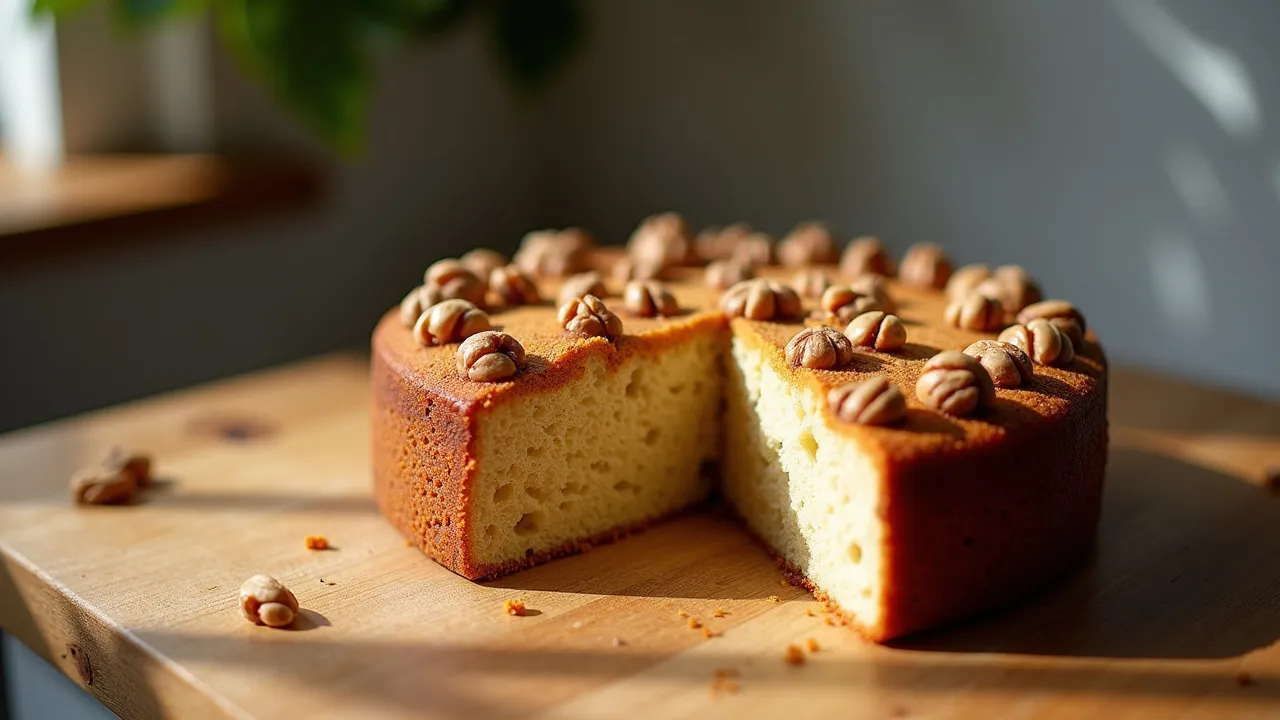
National Hazelnut Cake Day is celebrated annually on June 1st, honoring the rich, nutty flavor of hazelnut cakes. This day encourages home bakers and pastry enthusiasts to explore traditional and innovative recipes featuring hazelnuts.
The Historical Origins & Evolutionary Journey
National Hazelnut Cake Day originated as a grassroots campaign in the mid-1990s, spearheaded by the Hazelnut Industry Council to promote the consumption of hazelnuts in baking. The day was first officially observed on June 1, 1995, in the United States, coinciding with the peak of hazelnut harvesting in the Pacific Northwest.
The Foundational Catalyst
The idea emerged from a collaboration between Oregon hazelnut growers and pastry chefs who wanted to showcase hazelnut's versatility beyond spreads and pralines. A series of baking competitions in Portland, Oregon, helped popularize the day. The earliest documented celebration featured a giant hazelnut cake weighing over 500 pounds, cut by the mayor of Salem.
The Legislative/Official Adoption
In 2003, the U.S. Senate passed a non-binding resolution recognizing June 1st as National Hazelnut Cake Day, though it remains an unofficial national observance. The resolution highlighted the economic importance of hazelnut farming in the Willamette Valley, which produces 99% of the U.S. hazelnut crop.
Modern Global Legacy
Today, the day is celebrated in over 20 countries, with dedicated social media campaigns and baking challenges. In Italy, where hazelnuts are integral to regional cuisine, the day includes traditional torta alla nocciola. Australia adopted the day in 2010, often pairing it with local wine tastings.
How to Celebrate National Hazelnut Cake Day
Celebrating National Hazelnut Cake Day is easy and delicious, whether you are an experienced baker or a novice. Here are actionable strategies for individuals, schools, and organizations to mark the day with flair.
For Home Bakers
- Bake a Classic Hazelnut Cake: Use a recipe that incorporates ground hazelnuts in the batter, topped with a chocolate hazelnut ganache.
- Host a Tasting Party: Invite friends to sample different hazelnut cake variations—from Italian torta to German Haselnusskuchen.
- Share on Social Media: Post your creation with the hashtag #NationalHazelnutCakeDay and tag local hazelnut farms.
For Schools
- Educational Activity: Teach students about hazelnut cultivation and its role in agriculture. Bake a simple hazelnut cupcake in class.
- Fundraiser: Sell hazelnut cake slices to raise money for nutrition programs.
For Organizations
- Corporate Challenge: Encourage departments to compete in a hazelnut cake decorating contest.
- Partner with Farms: Source hazelnuts from local growers to emphasize sustainability.
In France, the day is often celebrated with a "Gateau Noisette Brunch" featuring hazelnut-flavored pastries and coffee. In Japan, bakeries release limited-edition hazelnut mont blanc cakes. No matter the region, the core spirit is sharing a slice of nutty goodness.
The Nutritional Profile of Hazelnuts
Hazelnuts are not just delicious but also packed with nutrients. One ounce (28 grams) of hazelnuts provides:
- Fiber: 2.7 grams
- Vitamin E: 20% of the RDI
- Copper: 50% of the RDI
- Manganese: 87% of the RDI
They are rich in monounsaturated fats, which support heart health, and contain powerful antioxidants like proanthocyanidins. Incorporating hazelnuts into cakes can boost the dessert's nutritional value, though sugar content remains high. Dietitians recommend using hazelnut flour as a gluten-free alternative in baking.
Health Considerations
While hazelnut cake is a treat, it can be part of a balanced diet when consumed in moderation. Hazelnuts have a low glycemic index, helping to stabilize blood sugar levels compared to cakes made with refined flour.
Hazelnut Cake Around the World: Regional Variations
Different cultures have embraced hazelnut cake with unique twists. Here are notable regional specialties:
- Italy: Torta della Nonna alle Nocciole—a shortcrust pastry filled with hazelnut cream and topped with pine nuts.
- France: Gâteau Noisette—a light sponge cake using ground hazelnuts, often layered with chocolate mousse.
- Germany: Haselnusskuchen—a dense, moist cake with chopped hazelnuts and a dusting of powdered sugar.
- Turkey: Fındıklı Kek—a semolina cake soaked in syrup, studded with whole hazelnuts.
- United States: Oregon hazelnut cake with a coffee-infused buttercream frosting.
In the United Kingdom, hazelnut cake is often served with clotted cream, while in Greece, it may include orange zest and cinnamon. These variations reflect local tastes and available ingredients.
Economic Impact of Hazelnut Production
The hazelnut industry supports thousands of jobs globally. Turkey is the largest producer, accounting for 70% of the world's supply, followed by Italy and the United States. In Oregon alone, hazelnut farming generates over $200 million annually. National Hazelnut Cake Day boosts demand by encouraging consumers to buy hazelnuts for baking.
Market Trends
In the last decade, hazelnut prices have fluctuated due to climate variability and disease, such as Eastern Filbert Blight. However, the growing popularity of hazelnut spreads and chocolate confections has stabilized the market. The day also promotes small-scale producers who rely on direct sales to bakeries.
Baking Science: The Perfect Hazelnut Cake
Creating the perfect hazelnut cake requires understanding the science behind nut flours. Unlike wheat flour, ground hazelnuts lack gluten, so cakes tend to be denser and more prone to crumbling. Here are key tips:
- Combine with Flour: Use a 50:50 mix of hazelnut meal and all-purpose flour for structure.
- Add Binding Agents: Extra eggs or a tablespoon of cornstarch helps hold the cake together.
- Toast the Hazelnuts: Grinding roasted hazelnuts releases oils that enhance flavor but be careful not to over-process into butter.
- Acid Balance: A splash of lemon juice or buttermilk tenderizes the crumb.
Professional bakers often use hazelnut paste to intensify flavor. The ideal internal temperature for a fully baked hazelnut cake is 200°F (93°C). Cooling it in the pan for ten minutes prevents breakage.
Environmental Sustainability of Hazelnut Farming
Hazelnut trees are perennial crops that offer environmental benefits, including carbon sequestration and soil conservation. They require less water than almonds and can be grown on hilly terrain unsuitable for row crops. However, large monoculture farms pose risks for pests and diseases.
Sustainable Practices
Many hazelnut farms are adopting integrated pest management (IPM) to reduce chemical use. In Oregon, farmers plant pollinator-friendly cover crops between rows. Organic hazelnut production is growing, though it is still a small fraction of total output. Consumers are encouraged to source hazelnuts from Rainforest Alliance certified farms for ethical cultivation.
Historical Timeline
First official celebration of National Hazelnut Cake Day on June 1st in Oregon, initiated by the Hazelnut Industry Council.
U.S. Senate passes a non-binding resolution recognizing June 1st as National Hazelnut Cake Day, highlighting the economic importance of hazelnut farming.
The day gains international attention as bakeries in Italy and France start featuring hazelnut cake specials.
Australia officially adopts National Hazelnut Cake Day, with events in Melbourne and Sydney.
Social media campaign #NationalHazelnutCakeDay trends on Twitter for the first time, generating over 50,000 posts.
During the pandemic, virtual baking classes and online cake sales become the primary celebration mode.