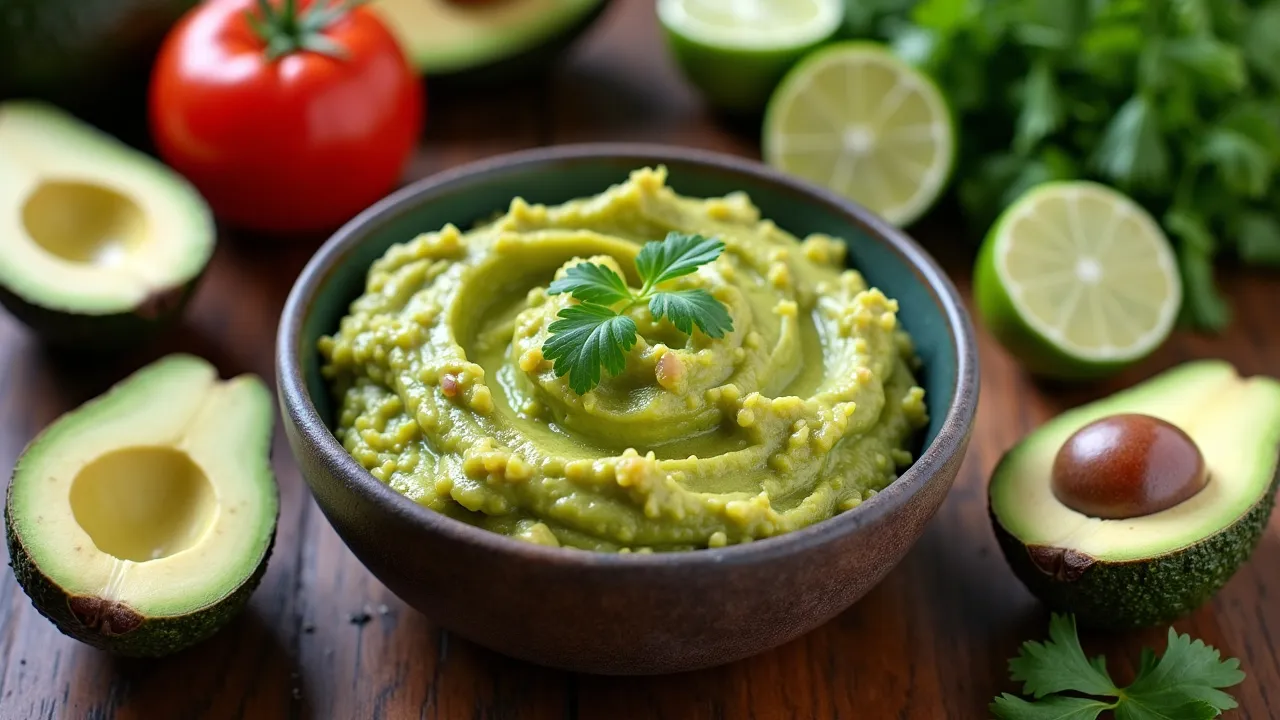
Celebrate National Guacamole Day on September 16th by enjoying the classic avocado dip. Discover its rich history from ancient Aztec origins to modern festivities, plus tips for the perfect guacamole.
The Historical Origins & Evolutionary Journey
National Guacamole Day, observed annually on September 16th, honors one of the world's most beloved dips—guacamole. This day not only celebrates the creamy avocado-based concoction but also aligns with Mexican Independence Day, adding cultural resonance. The roots of guacamole stretch back over 500 years to the Aztec civilization in Mesoamerica.
The Foundational Catalyst
The Aztecs, who inhabited present-day Mexico, were the first to create a sauce called ahuacamolli, a Nahuatl word combining ahuacatl (avocado) and molli (sauce). This early version was a simple blend of mashed avocados, tomatoes, and chili peppers. Spanish conquistadors encountered it in the 16th century and brought avocados to Europe, but guacamole remained a regional delicacy for centuries.
The Legislative/Official Adoption
The modern push for a dedicated day came from the California Avocado Commission in the early 1990s. As avocado cultivation boomed in California—which produces over 90% of U.S. avocados—the commission sought to boost consumption. September 16th was chosen both to coincide with Mexican Independence Day (a nod to the dip's heritage) and to mark the peak of the California avocado harvest. The first official celebration occurred in 1992, with retailers and restaurants promoting guacamole recipes and avocado sales.
Modern Global Legacy
Today, National Guacamole Day transcends borders. While most prominent in the United States, it is recognized in Canada, the UK, and parts of Europe through social media campaigns and avocado-themed events. The day has evolved into a culinary celebration that emphasizes fresh ingredients, healthy eating, and cultural appreciation. Restaurants offer specials, home cooks experiment with variations (e.g., mango, pomegranate), and nutritionists highlight avocados' heart-healthy fats. The observance has also spurred the growth of the global avocado industry, with Mexico, Peru, and Chile becoming major exporters.
How to Celebrate National Guacamole Day
Whether you're a guacamole purist or an adventurous eater, National Guacamole Day offers endless ways to join the festivities. Below are actionable strategies for individuals, schools, and organizations.
For Individuals and Families
- Host a Guac-Off: Invite friends over for a guacamole-tasting party. Each guest brings their own recipe, and attendees vote on the best. Provide tortilla chips, veggies, and tasting cards.
- Try a New Recipe: Step beyond classic guacamole. Add roasted corn, black beans, feta cheese, or even diced mango for sweetness. Use fresh lime juice and cilantro as essentials.
- Avocado-Themed Dinner: Build an entire meal around avocados—guacamole as appetizer, avocado salad, avocado pesto pasta, and chocolate avocado mousse for dessert.
- Educational Moment: Teach kids about where avocados come from. Show videos of avocado farms and explain the fruit's nutritional benefits.
For Schools and Community Groups
- Guacamole-Making Workshop: Host a hands-on session teaching proper avocado selection, dicing, and mashing. Discuss food safety and knife skills.
- Cultural Lesson: Pair the celebration with Mexican Independence Day history. Discuss the Aztec origins and how the dish spread globally.
- Fundraising Event: Sell cups of guacamole with chips to raise money for a local food bank or agricultural education program.
For Businesses and Organizations
- Restaurant Specials: Create a limited-time guacamole menu featuring unique variations (e.g., spicy habanero, smoky chipotle). Offer free samples.
- Employee Appreciation: Provide guacamole and chips in the break room. Include a trivia contest about avocado facts with small prizes.
- Social Media Campaign: Use hashtags like #NationalGuacamoleDay and #GuacDay. Post recipes, behind-the-scenes videos of avocado sourcing, and user-generated content.
Celebrating globally? In Mexico, the day is often marked with taquizas (taco parties) where guacamole is a staple. In the UK, avocado lovers host brunch parties, while Australians incorporate native bush tomatoes into their guac. No matter the location, the key is fresh, ripe avocados and shared enjoyment.
Health Benefits of Guacamole
Guacamole is not only delicious but also packed with nutrients. The primary ingredient, avocado, is a superfood rich in monounsaturated fats, fiber, vitamins, and minerals.
Key Nutritional Highlights
- Heart-Healthy Fats: Avocados contain oleic acid, which can reduce inflammation and improve cholesterol levels (higher HDL, lower LDL).
- Fiber: One avocado provides about 10 grams of fiber, supporting digestion and blood sugar stability.
- Vitamins and Minerals: Avocados are high in vitamin K, vitamin E, vitamin C, potassium, and folate. Potassium helps regulate blood pressure.
- Antioxidants: Lutein and zeaxanthin in avocados promote eye health, while other compounds combat oxidative stress.
Tips for a Healthier Guacamole
- Use fresh ingredients without added preservatives or excessive salt.
- Replace sour cream with Greek yogurt for extra protein (optional).
- Pair with vegetable sticks (carrots, bell peppers) instead of fried chips.
- Limit portion size: a serving of guacamole (about 2 tablespoons) is nutrient-dense but caloric.
Caution: Avocados are high in calories (about 240 per fruit), so moderation is key. However, the fats are satiating, helping control appetite.
Global Variations of Guacamole
Guacamole has traveled the world and adapted to local palates. Here are some notable regional twists:
Classic Mexican
Simple: ripe avocados, lime juice, salt, cilantro, onion, and serrano or jalapeño chilies. No tomatoes or garlic traditionally, though many modern versions include them.
American Style
Often includes tomatoes, garlic, sour cream, and cumin. Variations add bacon, corn, or black beans.
European Adaptations
- Spain: Adds smoked paprika and sherry vinegar for a tapas twist.
- France: Incorporates crème fraîche and fresh herbs like tarragon or chives.
Asian Influences
- Japanese: Uses wasabi and soy sauce instead of chili, served with rice crackers.
- Thai: Includes lemongrass, ginger, and a splash of fish sauce.
African and Middle Eastern
- South Africa: Adds peri-peri sauce for heat.
- Israel: Mixes in tahini and za'atar seasoning.
These adaptations show guacamole's versatility, but the core—mashed avocado—remains constant.
The Avocado Industry and Economic Impact
National Guacamole Day has become a marketing catalyst for the avocado industry. Avocados are now a multi-billion-dollar global commodity, and the day boosts sales significantly.
Key Statistics
- The global avocado market was valued at $13.7 billion in 2023 and is projected to exceed $20 billion by 2030.
- Mexico supplies nearly 80% of U.S. avocados, with Michoacán as the primary growing region.
- California produces about 10% of U.S. avocados, mostly Haas variety.
- On National Guacamole Day, avocado sales can spike by 50-70% compared to an average day.
Industry Challenges
- Sustainability: Avocado farming requires large amounts of water—up to 70 gallons per fruit. This strains water resources in drought-prone areas.
- Carbon Footprint: Transporting avocados from Mexico or Peru to global markets contributes to greenhouse gas emissions.
- Labor Issues: The industry relies on migrant labor, often with low wages and limited protections.
Consumers can support sustainable practices by buying Fair Trade certified avocados or choosing regional varieties when possible.
Cultural Significance and Observance Traditions
National Guacamole Day is more than a food holiday—it reflects cultural fusion and celebration of heritage.
Mexican Independence Day Connection
September 16th marks Mexico's independence from Spain in 1810. Guacamole, with its Aztec roots, is a natural part of the culinary festivities. Restaurants and homes often serve it alongside traditional dishes like tacos, tamales, and pozole. The day honors both Mexican culture and the avocado's heritage.
Social Media and Viral Trends
Platforms like Instagram and TikTok amplify the day with challenges like #GuacChallenge, where users share their most creative guacamole presentations. Influencers post tutorials, and food bloggers compete for the most-liked recipe. This digital engagement has turned the observance into a global phenomenon.
Corporate Participation
Major chains like Chipotle, Qdoba, and Moe's offer deals: free guacamole with a purchase, or limited-time flavors. Avocado brands run giveaway contests. This commercial involvement helps spread awareness while driving sales.
The day also serves as a reminder of the importance of supporting small farms and sustainable agriculture, as the avocado boom has environmental and social impacts.
Historical Timeline
The Aztecs create 'ahuacamolli', a mashed avocado sauce, the precursor to modern guacamole.
Spanish conquistadors encounter avocados in Mexico and bring them to Europe, but guacamole remains regional.
Avocado trees are planted in California, marking the start of U.S. avocado cultivation.
The term 'avocado' is officially adopted by California growers to replace the previous name 'alligator pear'.
The California Avocado Commission establishes National Guacamole Day on September 16th to promote avocado consumption in the U.S.
Super Bowl Sunday becomes the biggest guacamole-consumption day in the U.S., but National Guacamole Day continues to grow.
Mexico surpasses California in avocado exports to the U.S., boosting year-round availability and guacamole popularity.
Social media campaigns for National Guacamole Day gain traction, with hashtags trending on Twitter and Facebook.
During the COVID-19 pandemic, avocado sales surge as home cooking increases; National Guacamole Day sees record online engagement.
National Guacamole Day is celebrated globally, with restaurants offering specials and sustainable avocado initiatives gaining consumer attention.