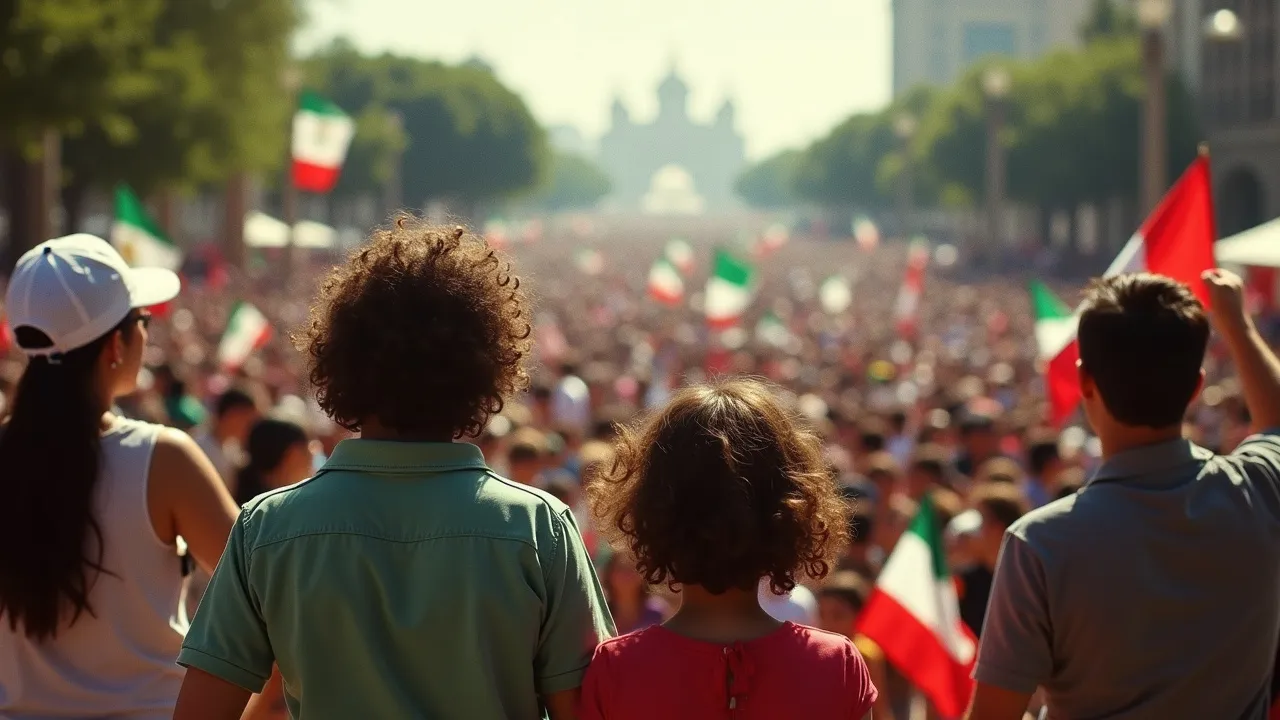
Mexican Independence Day on September 16th celebrates the start of the war for independence from Spain in 1810. It features the famous 'Grito de Dolores', patriotic displays, parades, and traditional Mexican cuisine.
The Historical Origins & Evolutionary Journey
Mexican Independence Day, observed annually on September 16th, commemorates the beginning of Mexico's war for independence from Spanish colonial rule. The movement was sparked by the famous Grito de Dolores (Cry of Dolores) uttered by Father Miguel Hidalgo y Costilla in the early morning hours of September 16, 1810.
The Foundational Catalyst
In the late 18th and early 19th centuries, social and economic tensions simmered in New Spain. The indigenous and mestizo populations bore the brunt of heavy taxes and discriminatory policies, while the colonial elite (criollos) grew resentful of Spanish-born peninsulares holding the highest offices. Secret societies advocating independence formed in cities like Querétaro. When the conspiracy was discovered, Hidalgo, a priest in the town of Dolores, decided to act immediately. He rang the church bell and called his parishioners to take up arms against the Spanish authorities, issuing the famous cry: "¡Viva la Virgen de Guadalupe! ¡Viva la independencia! ¡Vivan los criollos!"
The Legislative/Official Adoption
After a decade-long war, Mexico achieved independence in 1821. The first official celebration of Independence Day took place in 1825 under President Guadalupe Victoria, who decreed September 16th as the national holiday. The annual reenactment of the Grito by the President of Mexico from the National Palace balcony became a central tradition, symbolizing the continuity of the revolutionary spirit.
Modern Global Legacy
Today, Mexican Independence Day is celebrated not only in Mexico but also by Mexican diaspora communities worldwide. The holiday has evolved to include large parades, concerts, culinary festivals, and fireworks. Despite modern commercialization, the core values of freedom and national pride remain strong, with the Grito ceremony serving as a unifying event for Mexicans of all backgrounds.
How to Celebrate Mexican Independence Day
Celebrating Mexican Independence Day authentically involves embracing the country's rich culture and history. Here is a definitive guide to marking September 16th with respect and festivity.
For Individuals and Families
- Attend a Grito Ceremony: In Mexico, gather at the town square on the evening of September 15th to hear the local official reenact the Grito.
- Decorate in Patriot Colors: Use green, white, and red streamers, flags, and flowers. Papel picado (cut-paper banners) add a traditional touch.
- Prepare Mexican Cuisine: Cook dishes like chiles en nogada (poblano chiles in walnut sauce), pozole, tamales, and guacamole. Desserts such as churros and flan are popular.
- Play Traditional Music: Listen to mariachi, banda, or ranchera music. The song "Cielito Lindo" and the national anthem are staples.
- Host a Gathering: Invite friends and family for a meal, using Mexican-themed decorations and serving aguas frescas or tequila-based drinks.
For Schools and Educational Institutions
- Teach the History: Dedicate class time to the events of 1810, focusing on Miguel Hidalgo's role and the broader independence movement.
- Cultural Workshops: Organize activities like making papel picado, learning folkloric dances, or cooking simple Mexican recipes.
- Flag Ceremonies: Hold a respectful flag salute and explain the symbolism of the Mexican flag (green for hope, white for unity, red for the blood of heroes).
For Organizations and Corporations
- Decorate the Workplace: Display Mexican flags and traditional crafts in common areas.
- Cater a Mexican Lunch: Provide authentic dishes from a local Mexican restaurant or food truck.
- Employee Engagement: Encourage employees to share their own heritage stories or host a trivia contest about Mexican culture.
Always remember to celebrate with cultural sensitivity, avoiding stereotypes and focusing on genuine appreciation of Mexican heritage.
Symbols and Traditions
Mexican Independence Day is rich in symbols that evoke national pride and historical memory.
The Mexican Flag
The flag's three vertical stripes—green, white, and red—were adopted in 1821. The coat of arms in the center depicts an eagle perched on a cactus devouring a snake, based on the Aztec legend of the founding of Tenochtitlan. During the holiday, flags are displayed prominently on homes, buildings, and vehicles.
The Grito Ceremony
The highlight of the celebration is the reenactment of the Grito de Dolores. On the night of September 15th, the President of Mexico rings the bell of the National Palace and shouts the names of the key independence heroes, ending with a vibrant "¡Viva México!" The crowd responds in kind. This ceremony is replicated by governors and mayors across the country.
Food and Drink
- Chiles en Nogada: A dish of poblano chiles stuffed with picadillo (meat and fruit) and topped with walnut sauce and pomegranate seeds, representing the three flag colors.
- Pozole: A hearty hominy stew with pork or chicken, often served with radishes, cabbage, and lime.
- Margaritas and Tequila: These drinks are widely consumed, but traditional aguas frescas like horchata and jamaica are also popular.
Parades and Fireworks
Many cities host military and civic parades on the morning of September 16th. Fireworks displays light up the night sky, adding spectacle to the festivities.
Regional Celebrations Across Mexico
While the Grito unifies the nation, each region adds its unique flavor to the celebration.
Mexico City
The capital hosts the main event at the Zócalo, where hundreds of thousands gather for the President's Grito. The following day features a massive military parade, the Desfile Militar, showcasing Mexico's armed forces.
Querétaro
As the birthplace of the independence conspiracy, Querétaro holds historical reenactments and cultural festivals. The city's colonial architecture provides a scenic backdrop.
Guanajuato
In Dolores Hidalgo (the town where the Grito occurred), celebrations are especially poignant. Visitors can see the original church and bell used by Hidalgo.
Yucatán
In the southeast, the holiday coincides with local traditions. Mérida combines the Grito with a grand vaquería (festival) featuring regional dance and music.
Chiapas
Indigenous communities incorporate their own rituals, including traditional dress and Mayan-influenced ceremonies, alongside the official events.
Mexican Independence Day in the United States
With a large Mexican-American population, the United States sees vibrant celebrations, especially in cities like Los Angeles, Chicago, Houston, and San Antonio.
Public Events
Many U.S. cities host Grito ceremonies at consulates or civic centers. Parades, such as the one in East Los Angeles, draw huge crowds. Schools often teach about the holiday as part of multicultural education.
Commercial Celebrations
Restaurants and bars offer special menus and drink deals. Retailers promote sales featuring Mexican products. However, it's important to distinguish from Cinco de Mayo, which is often misunderstood as Mexican Independence Day in the U.S.
Community Gatherings
Mexican-American families often hold backyard parties with traditional food, music, and piñatas. The holiday strengthens cultural identity and ties to Mexico.
Economic Impact of the Holiday
Mexican Independence Day generates significant economic activity both in Mexico and abroad.
Tourism
The long weekend (often extended) encourages domestic travel. Historic cities like Guanajuato, San Miguel de Allende, and Mexico City see a surge in visitors. Hotels, restaurants, and transportation services benefit.
Consumer Spending
Sales of flags, decorations, party supplies, and traditional foods spike. The National Chamber of Commerce reports that spending on patriotic items increases by up to 30% in September.
Food and Beverage Industry
Tequila and mezcal producers see a notable rise in sales, as do tortilla and chili growers. Street vendors and local markets also profit from increased demand for antojitos (snacks) and sweets.
Employment
Temporary jobs in event planning, catering, and retail are created to handle the holiday rush. The festival industry, including musicians and performers, also experiences a boost.
Cultural Significance and Global Recognition
Mexican Independence Day is not only a national holiday but also a symbol of resistance and sovereignty that resonates globally.
UNESCO Recognition
In 2010, the Mexican government submitted the "Grito de Dolores" for UNESCO's Intangible Cultural Heritage list, highlighting its importance as a living tradition.
Influence on Art and Literature
The independence movement and its leaders have inspired countless murals, novels, and films. Diego Rivera's murals at the National Palace depict the struggle, and writer Carlos Fuentes often referenced the Grito in his works.
Global Celebrations
Mexican embassies abroad host receptions and cultural events. In countries like Spain, Canada, and Australia, local Mexican communities organize public festivities, introducing Mexican heritage to diverse audiences.
Political Symbolism
The holiday reinforces Mexican sovereignty and national unity. It also serves as a platform for political discourse, with the President's speech during the Grito often addressing current issues and aspirations.
Historical Timeline
On September 16, Father Miguel Hidalgo y Costilla issues the Grito de Dolores, calling for rebellion against Spanish rule, marking the start of the Mexican War of Independence.
Hidalgo is captured and executed. Leadership passes to José María Morelos, who continues the fight.
Morelos is captured and executed. The insurgency fragments but persists under leaders like Vicente Guerrero.
The Plan of Iguala is proclaimed, leading to the formation of the Army of the Three Guarantees. On September 27, the Spanish viceroy signs the Treaty of Córdoba, recognizing Mexican independence.
President Guadalupe Victoria declares September 16 as the official Mexican Independence Day holiday, and the first Grito anniversary is celebrated in Mexico City.
The current design of the Mexican flag (with the eagle and serpent) is officially adopted, becoming a central symbol of Independence Day celebrations.
The tradition of the President ringing the bell of the National Palace during the Grito is formally established.
The Grito ceremony is first broadcast nationwide on television, expanding its reach to all Mexicans.
Mexico celebrates the Bicentennial of its independence with massive events, including a reenactment of the Grito at the exact site in Dolores Hidalgo.
Due to the COVID-19 pandemic, the Grito ceremony is held without public attendance and broadcast online, marking a unique adaptation.