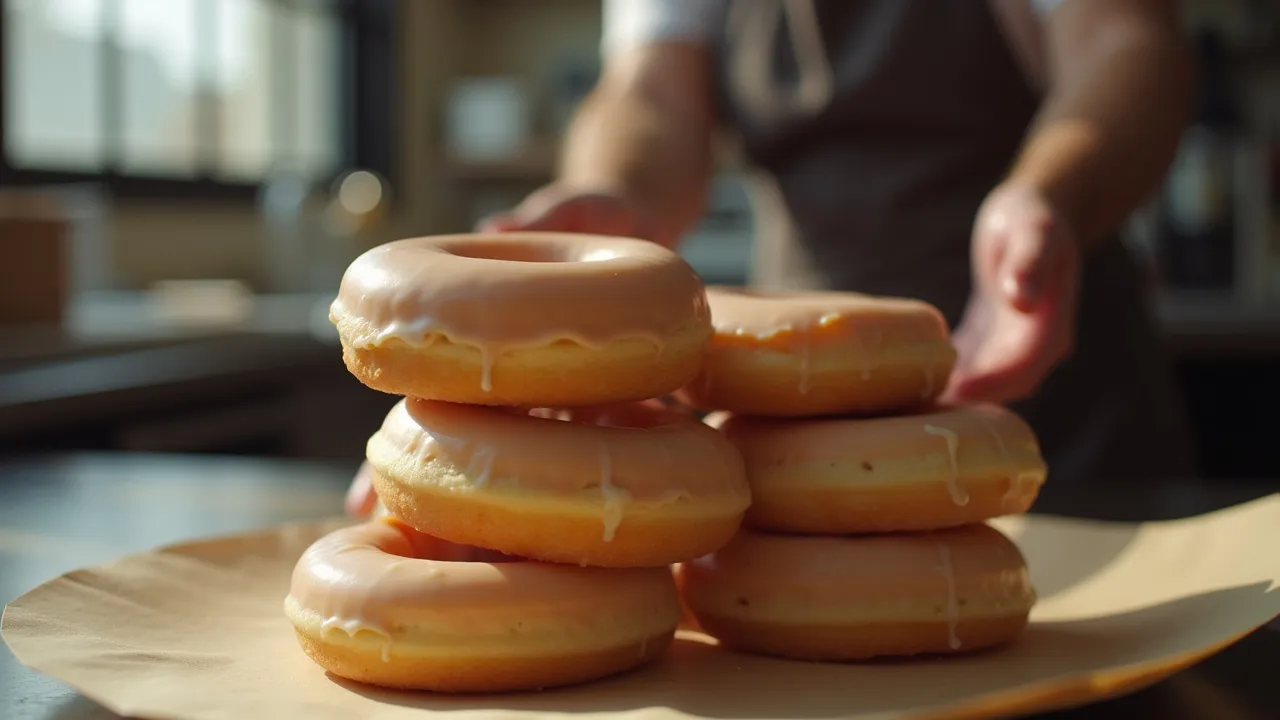
National Glazed Donut Day, observed on January 12th, celebrates the iconic sweet pastry with a shiny sugar glaze. From modern doughnut shops to homemade recipes, this day honors a beloved treat enjoyed worldwide.
The Historical Origins & Evolutionary Journey
National Glazed Donut Day, observed annually on January 12th, traces its roots to the broader history of doughnuts and the specific innovation of the glaze. This section explores the foundational catalyst, official adoption, and modern legacy of this sweet celebration.
The Foundational Catalyst
The doughnut itself dates back to the mid-19th century when Dutch settlers brought olykoeks (oily cakes) to America. The ring shape was popularized by Hanson Gregory in 1847, who claimed to have punched a hole in the center to ensure even cooking. However, the glazed donut as we know it didn't emerge until the early 20th century. The addition of a sugar glaze provided a glossy, sweet coating that locked in moisture and added texture. Key events include:
- 1937: Vernon Rudolph founded Krispy Kreme in Winston-Salem, North Carolina, perfecting the yeast-raised glazed donut that became an iconic American treat.
- 1950s: Automated donut machines allowed mass production, making glazed donuts widely available in grocery stores and bakeries.
The Legislative/Official Adoption
Unlike many food holidays with formal government recognition, National Glazed Donut Day was established by the National Day Calendar and embraced by donut chains and enthusiasts. The date January 12th was chosen to fill the post-holiday lull and provide a sweet midwinter celebration. While not an official holiday, it is recognized by major brands like Dunkin’ and Krispy Kreme, who often offer free or discounted donuts. The day was first widely promoted in the early 2010s, with social media accelerating its popularity.
Modern Global Legacy
Today, National Glazed Donut Day is celebrated across the United States, Canada, the United Kingdom, and Australia. Donut shops report a significant sales spike, and home bakers share glaze recipes online. The day has also sparked creative variations, from matcha-glazed to bacon-topped donuts. In an era of health consciousness, the celebration highlights indulgence and community, often tied to charity events or local bakery support.
How to Celebrate National Glazed Donut Day
Celebrating National Glazed Donut Day is easy, delicious, and fun. Below are actionable ideas for individuals, schools, and organizations, organized by region and tradition.
Universal Celebration Ideas
- Visit a Local Bakery: Purchase a classic glazed donut to support small businesses. Many offer special deals on this day.
- Host a Donut Tasting Party: Gather friends to sample different glazes—classic, chocolate, maple, and seasonal flavors.
- Make Homemade Glazed Donuts: Try a simple yeasted recipe or use a cake donut base. Glaze with powdered sugar, milk, and vanilla.
Regional Traditions
- United States: Major chains like Dunkin’ and Krispy Kreme often give away free glazed donuts with the purchase of a beverage. Some cities host donut festivals with live music.
- Canada: Tim Hortons celebrates with special promotions on their honey cruller or classic glazed donuts, often pairing with coffee deals.
- United Kingdom: Independent bakeries offer artisan glazed donuts with fillings like jam or custard, and some pubs serve donut-themed desserts.
- Australia: Donut King and other franchises run limited-time offers, and community bake-offs are common.
Social Media & Corporate Engagement
Use hashtags like #NationalGlazedDonutDay and #GlazedDonut. Companies can run photo contests, donate a portion of sales to charity, or create custom glazed donuts for employees. Schools can organize educational activities about the history of doughnuts, combining baking with math (measuring ingredients) and social studies.
The Art of the Glazed Donut: Perfecting the Glaze
The glaze is what distinguishes a glazed donut from its unglazed counterparts. This section dives into the science and art behind a perfect glaze, including variations and techniques.
Basic Glaze Recipe
A classic glaze combines confectioners' sugar, milk or cream, and vanilla extract. The ratio is key: too thin, and the glaze runs off; too thick, and it becomes crumbly. A simple example: whisk 2 cups powdered sugar with 4 tablespoons milk and 1 teaspoon vanilla until smooth. Dip donuts while still warm for best adherence.
Variations
- Chocolate Glaze: Replace 1/4 cup powdered sugar with cocoa powder. Use dark chocolate for a richer taste.
- Matcha Glaze: Whisk matcha green tea powder into the sugar mixture for a earthy, vibrant green glaze.
- Fruit Glazes: Use fruit purees (strawberry, lemon) instead of milk for a tangy twist.
- Spiced Glaze: Add cinnamon, nutmeg, or pumpkin pie spice.
Texture & Application
Glaze should be applied when donuts are slightly warm (around 100°F) to create a thin, shiny layer. For a thicker coating, let the first layer set and dip again. Some bakeries use a fondant-based glaze for a firmer shell. The drying time depends on humidity; in dry climates, glaze sets in minutes; in high humidity, it may remain tacky.
Professional bakers often use a glaze enrober machine that cascades warm glaze over cooled donuts, ensuring even coverage. At home, a simple dip or spoonful works well.
Cultural Impact: Glazed Donuts in Pop Culture
Glazed donuts have permeated popular culture, appearing in movies, television, music, and literature. Their universal appeal and iconic shape make them a symbol of comfort, reward, and sometimes indulgence.
Film and Television
- The Simpsons: Homer Simpson’s love for donuts—especially glazed—is legendary. The show uses donuts as a metaphor for simple pleasures.
- Wayne's World: The “excellent” catchphrase is often paired with a donut break.
- Police movies: Glazed donuts are stereotypically associated with law enforcement, a trope dating back to the 1950s when police would stop at all-night donut shops.
Music and Literature
Artists like Kris Kross referenced donuts in their lyrics, and many food bloggers write odes to glazed donuts. In children’s literature, books like If You Give a Dog a Donut celebrate the joy of sharing a glazed treat.
Social Media Phenomena
Instagram and TikTok are flooded with donut photos and “donut walls” at weddings and events. The hashtag #GlazedDonut has millions of posts. National Glazed Donut Day itself is a trending topic every January, with brands competing for the most creative content.
Health and Nutrition: Balancing Indulgence
While glazed donuts are a beloved treat, they are high in sugar, fat, and calories. This section offers a balanced perspective on consumption and healthier alternatives without sacrificing flavor.
Nutritional Profile
One average glazed yeast donut (about 60g) contains approximately: 250 calories, 14g fat (7g saturated), 10g sugar, 3g protein, and 200mg sodium. Cake donuts are denser and slightly higher in calories. The glaze adds about 30-40 calories from sugar.
Moderation Strategies
- Portion Control: Enjoy a single donut as an occasional treat rather than daily habit.
- Pair with Protein: Balance blood sugar spikes by eating a donut after a protein-rich meal.
- Mindful Eating: Savor the donut without distractions to feel satisfied with less.
Healthier Variations
Bakers have created alternatives to reduce guilt:
- Baked Donuts: Using an oven instead of frying reduces fat by 30-40%.
- Whole Wheat Glaze: Substitute half the flour with whole wheat for added fiber.
- Low-Sugar Glaze: Use stevia or monk fruit sweetener; though the texture may differ.
- Gluten-Free: Almond or rice flour blends work well for those with celiac disease.
Always check with local bakeries - many now offer vegan, keto, or paleo glazed donuts.
Economic Impact on Bakeries and Businesses
National Glazed Donut Day provides a significant economic boost to bakeries, donut shops, and even grocery stores. This section examines sales data, marketing strategies, and the day's role in community engagement.
Sales Spike
According to industry reports, donut sales on January 12th can increase by 30-50% compared to an average weekday. Krispy Kreme alone sells over 5 million donuts on this day. Independent shops often sell out by noon, encouraging early crowds.
Marketing Opportunities
Businesses leverage the day for:
- Free Donut Promotions: Offering one free donut per customer drives foot traffic and increases beverage sales.
- Limited-Time Flavors: Seasonal glazes (e.g., peppermint, eggnog) create buzz.
- Social Media Campaigns: Using the hashtag and encouraging user-generated content.
- Charitable Tie-ins: Donating a percentage of proceeds to local food banks builds goodwill.
Challenges
The day also strains supply chains: ingredients like powdered sugar and yeast may see temporary price hikes. Staff need to manage peak hours, and waste can occur if demand is overestimated. Overall, however, the day is a profitable highlight for the industry.
Future Trends: Innovation in Glazed Donuts
As consumer tastes evolve, so do glazed donuts. This section explores upcoming trends in flavors, production, and presentation that will shape the next decade of this classic treat.
Flavor Fusion
Chefs are experimenting with savory-sweet combinations like miso caramel glaze or rosemary honey. International influences include ube (purple yam) glaze and yuzu citrus notes. Vegan and plant-based glazes made from aquafaba or coconut milk are gaining traction.
Technology in Production
Automated donut-making robots can now pipe, fry, glaze, and package donuts with minimal human intervention. 3D food printers are beginning to create customized donut shapes. At-home donut machines like the “Donut Maker” allow consumers to create fresh glazed donuts in minutes.
Sustainability
Bakeries are moving toward sustainable practices: using locally sourced flour, organic sugar, and recyclable packaging. Some are creating glazes with natural fruit colors instead of artificial dyes. The “ugly donut” movement reduces waste by selling misshapen donuts at a discount.
For National Glazed Donut Day 2030, we might see virtual reality donut tasting events and personalized glaze designs via mobile apps.
Historical Timeline
Hanson Gregory is credited with inventing the ring-shaped doughnut by punching a hole in the center of fried dough.
Vernon Rudolph opens the first Krispy Kreme in Winston-Salem, NC, perfecting the yeast-raised glazed donut.
Automated donut machines revolutionize production, making glazed donuts widely available in bakeries and grocery stores.
National Glazed Donut Day is first observed, promoted by the National Day Calendar and embraced by donut chains.
Social media campaigns push the day into trending topics, with millions of posts using #NationalGlazedDonutDay.
During the pandemic, donut shops offer contactless drive-thru celebrations, and home baking of glazed donuts surges.
Major chains introduce vegan and gluten-free glazed donuts to meet dietary demands, expanding the day's inclusivity.