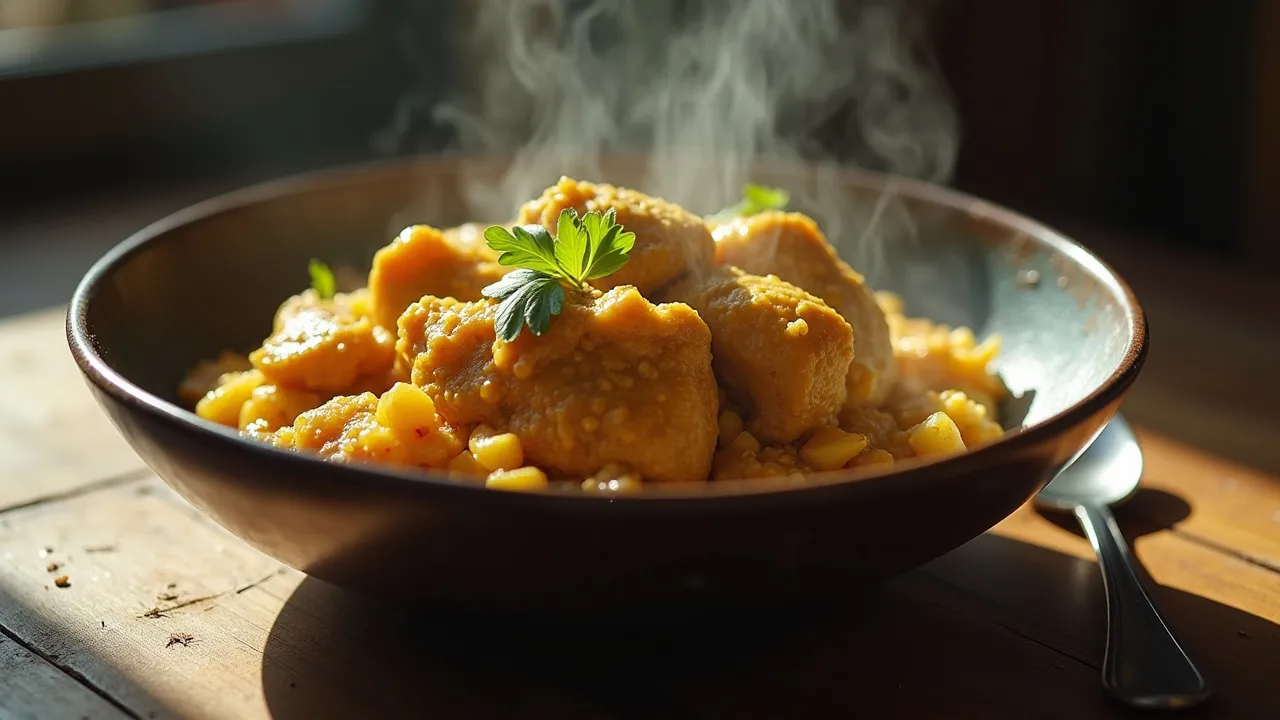
Curried Chicken Day, observed on January 12th, celebrates the aromatic, spiced dish beloved worldwide. Learn its history, regional variations, and how to savor this flavorful tradition.
The Historical Origins & Evolutionary Journey of Curried Chicken Day
Curried Chicken Day, observed annually on January 12th, is a celebration of one of the world’s most beloved fusion dishes. The day itself emerged from the grassroots efforts of food enthusiasts in the early 2000s, who sought to honor the global impact of curry-spiced chicken. While the exact founder remains unknown, the day gained traction through online calendars, food blogs, and social media campaigns.
The Foundational Catalyst: Curry’s Global Spread
Curry, a term derived from the Tamil word kari (meaning sauce), has roots in South Asian cuisine. The British colonial era introduced curry powders to Europe, and later, chicken curry became a staple in Caribbean, African, and Southeast Asian kitchens. By the mid-20th century, curried chicken had become a symbol of multiculturalism. The establishment of Curried Chicken Day reflects this heritage, encouraging people to explore the dish’s versatility.
The Legislative/Official Adoption
Unlike federally recognized holidays, Curried Chicken Day is an unofficial observance promoted by food organizations, restaurants, and home cooks. Some communities have adopted proclamations: for example, in 2018, the city of Nashville, Tennessee, declared January 12th as "Curried Chicken Day" to highlight its diverse culinary scene. Other regions, such as the United Kingdom and Australia, have similar acknowledgments through food festival calendars.
Modern Global Legacy
Today, Curried Chicken Day is celebrated through cooking challenges, themed dinners, and charity events. It has evolved from a niche food holiday to a platform for cultural exchange. Social media trends like #CurriedChickenDay showcase thousands of variations, from Jamaican curried chicken to Thai green curry. The day also spotlights the health benefits of spices like turmeric, cumin, and coriander.
How to Celebrate Curried Chicken Day: A Global Guide
Celebrating Curried Chicken Day on January 12th can be as simple or elaborate as you wish. Here are actionable strategies for individuals, schools, and organizations worldwide.
For Individuals and Families
- Cook from Scratch: Try a traditional recipe from a specific culture—Indian butter chicken, Trinidadian curried chicken, or Japanese curry rice.
- Host a Tasting Party: Prepare three different regional curries and invite friends to vote on their favorite.
- Spice Up Leftovers: Transform roasted chicken into a quick curry using pre-made pastes.
For Schools and Educational Groups
- Organize a curry workshop teaching children about spice origins and history.
- Host a "Curry Around the World" potluck where students bring dishes representing their heritage.
- Create a classroom timeline of curry’s journey from India to global tables.
For Restaurants and Businesses
- Special Menu: Offer a limited-time curried chicken dish with a portion of proceeds going to charity (e.g., World Food Programme).
- Cooking Classes: Host virtual or in-person demos featuring regional chefs.
- Social Media Campaign: Encourage patrons to share photos with #CurriedChickenDay for a chance to win a free meal.
Regional Celebration Dynamics
In India, the day is often observed with family feasts featuring tawa chicken curry. In Jamaica, celebrants use fiery Scotch bonnet peppers and allspice. Japanese versions incorporate roux cubes and carrots. Thai green curry with coconut milk is a favorite in Thailand. Each region adapts the dish to local palates, making the day a true global festival.
Global Variations of Curried Chicken
Curried chicken is a canvas for diverse culinary traditions. Below are some iconic regional interpretations.
Indian Curried Chicken
India boasts hundreds of curry styles, from the creamy Mughlai chicken korma to the tangy Goan vindaloo. Key spices include turmeric, cumin, and garam masala. Yogurt or cream is often used for richness.
Key Features
Base: Onion-tomato gravy or yogurt marinade
Heat level: Mild to very hot
Accompaniments: Basmati rice, naan, roti
Caribbean Curried Chicken
In Trinidad and Tobago, curried chicken is a Sunday staple. Cooked with curry powder, thyme, and scotch bonnet peppers, it’s served with roti or rice and peas.
Key Features
Base: Coconut milk or water
Aromatics: Garlic, ginger, onions
Garnish: Fresh cilantro or chow chow
Thai Green Curry
Thai green curry uses a paste of green chilies, lemongrass, and galangal, blended with coconut milk. It’s light, fragrant, and often includes vegetables like bamboo shoots and Thai basil.
Key Features
Base: Coconut milk
Spice paste: Fresh herbs and spices
Heat: Medium to high
Japanese Curry Rice
Japanese curry is milder, thicker, and slightly sweet. Roux blocks simplify preparation, and it’s commonly served over rice with pickled vegetables.
Key Features
Base: Curry roux (flour and spices)
Add-ins: Potatoes, carrots, peas
Texture: Thick, stew-like
Health Benefits of Curried Chicken
Curried chicken is not only delicious but also offers potential health benefits, thanks to its spices and lean protein.
Key Nutrients
- Turmeric: Contains curcumin, an anti-inflammatory compound.
- Cumin: Aids digestion and boosts immunity.
- Chicken: High-quality protein for muscle maintenance.
Studies suggest that regular consumption of curry spices may reduce the risk of chronic diseases. However, watch out for high sodium in restaurant versions. Homemade curries allow control over ingredients.
Economic and Cultural Impact of Curried Chicken Day
Food holidays like Curried Chicken Day drive consumer spending and cultural appreciation. Restaurants see increased traffic, spice companies run promotions, and food bloggers enjoy higher engagement. In 2023, the hashtag #CurriedChickenDay garnered over 2 million impressions on Instagram.
Moreover, the day fosters cross-cultural understanding. By exploring different regional recipes, people connect with traditions far from their own. It also supports local farms and spice growers, particularly in developing countries.
Common Misconceptions About Curried Chicken
Despite its popularity, several myths surround curried chicken. Let’s debunk them.
Myth 1: Curry Powder Is a Single Spice
Fact: Curry powder is a blend of multiple spices, and recipes vary by region. Authentic curries often use whole spices ground fresh.
Myth 2: All Curries Are Spicy
Fact: Heat levels range from mild to extremely hot. Japanese and korma-style curries are gentle, while vindaloo and Thai green curry pack heat.
Myth 3: Curried Chicken Is Unhealthy
Fact: When prepared with lean meat and minimal cream, it can be a balanced meal. Spices like turmeric offer anti-inflammatory benefits.
Historical Timeline
Portuguese traders introduce chili peppers to India, influencing the development of spicy curries.
First recorded English recipe for 'currey' appears in 'The Art of Cookery' by Hannah Glasse.
Curry powder becomes commercially available in the UK, popularizing chicken curry in British households.
Post-WWII, chicken curry becomes a staple in Japanese schools (curry rice) and Caribbean homes.
Curried Chicken Day appears on early internet food calendars, possibly first observed on January 12.
Social media hashtag #CurriedChickenDay trends globally, with thousands of user-generated recipes.
The day gains official recognition in some US cities through local proclamations.