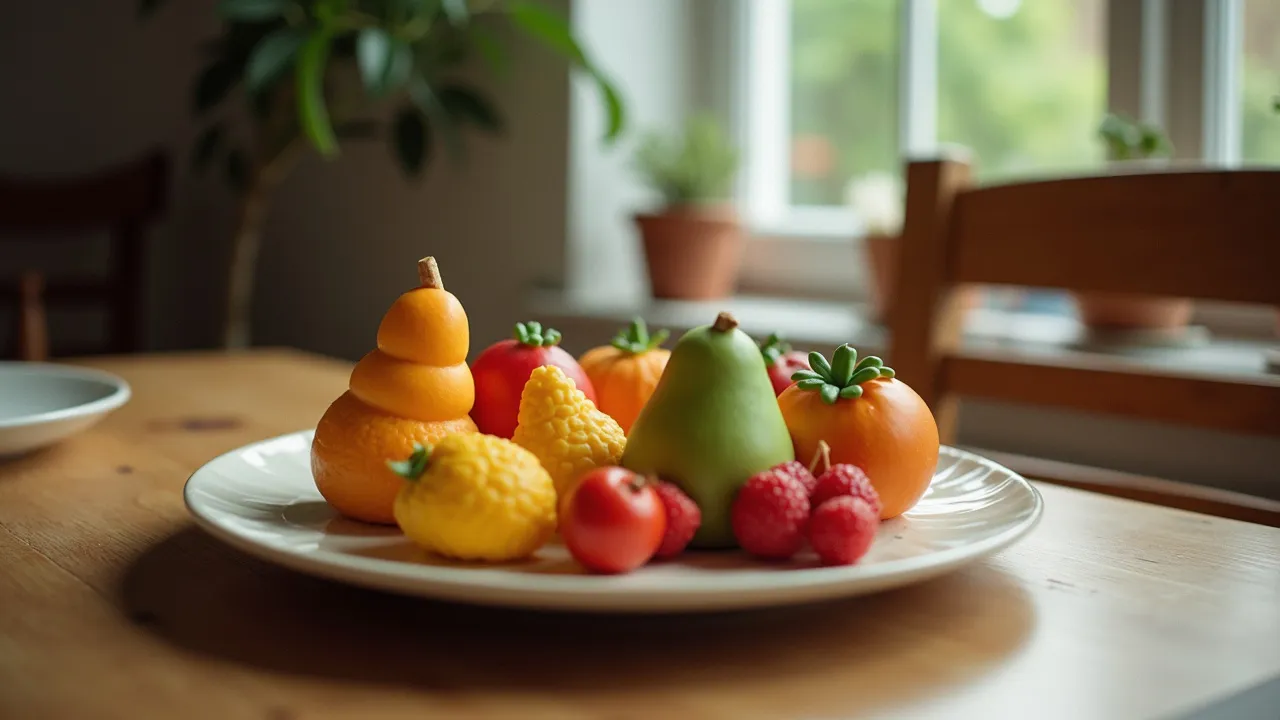
Celebrate National Marzipan Day on January 12th! Discover its ancient origins, cultural variations, and creative ways to enjoy this almond confection.
The Historical Origins & Evolutionary Journey
National Marzipan Day, observed annually on January 12th, honors one of the world's oldest and most beloved confections. Marzipan, a sweet almond paste, has a rich history spanning continents and centuries. This section explores its genesis, official recognition, and global legacy.
The Foundational Catalyst
Marzipan's origins trace back to the Middle East, where almond paste was combined with honey or sugar as early as the 8th century. Persian cookbooks from the 9th century describe a confection called 'mauthaban' — a sweet almond paste. The catalyst for its spread was the Islamic conquests and trade routes, bringing almond cultivation and sugar refining techniques to the Mediterranean.
By the 12th century, marzipan had reached Europe via Sicily and Spain. In Venice, it became a luxury item, often shaped into elaborate figures for nobility. The name 'marzipan' likely derives from the Italian 'marzapane' or Latin 'martius panis' (March bread), referring to its association with Easter celebrations.
The Legislative/Official Adoption
Unlike many modern food holidays, National Marzipan Day has no single legislative origin. It emerged organically within the United States through food bloggers, confectionery industry marketing, and online holiday calendars. The day gained traction in the early 2000s as a fun, thematic occasion to promote marzipan consumption. No federal or state proclamation exists; instead, its observance is driven by community enthusiasm and commercial interest.
Modern Global Legacy
Today, National Marzipan Day is celebrated in the US and increasingly worldwide. Social media platforms showcase intricate marzipan sculptures, from lifelike fruits to fantasy creatures. The day serves as a reminder of marzipan's enduring appeal, bridging ancient traditions with modern creativity. Confectioneries, bakeries, and home cooks alike participate, ensuring this almond treat remains a cherished part of culinary heritage.
How to Celebrate National Marzipan Day
National Marzipan Day offers countless ways to honor this delicious confection. Whether you are a seasoned pastry chef or a curious beginner, here are actionable strategies to make the most of January 12th.
For Individuals and Families
- Make Homemade Marzipan: Combine finely ground almonds, confectioner's sugar, and rose water or vanilla extract. Knead until smooth, then shape into fruits, animals, or simple logs.
- Decorate with Marzipan: Use store-bought marzipan to adorn cakes, cupcakes, or cookies. Roll it out and cut into shapes, or mold it into edible decorations.
- Host a Tasting Party: Gather different varieties of marzipan from local bakeries or international markets. Compare textures and flavors from Germany, Italy, Spain, and the Middle East.
For Schools and Organizations
- Marzipan Art Competition: Encourage students or employees to create marzipan sculptures. Award prizes for creativity and craftsmanship.
- Educational Workshops: Teach the history and science of marzipan making. Discuss the chemistry of almond paste and sugar crystallization.
- Charity Bake Sale: Donate proceeds from marzipan treats to a local food bank or children's hospital.
Global Celebration Ideas
- Germany: Visit a Konditorei and enjoy traditional Lübeck marzipan, often coated in dark chocolate.
- Italy: Prepare marzapane shaped into fruits (frutta martorana) for a colorful display.
- Spain: Sample mazapán from Toledo, typically in simple rectangular loaves.
No matter how you choose to celebrate, the key is to savor the sweet, nutty flavor of marzipan and share it with others.
The Art of Marzipan Making: Techniques and Traditions
Creating marzipan is both a science and an art. The traditional recipe balances ground almonds with sugar and a binding agent like egg white or glucose syrup. This section delves into the craft behind the confection.
Ingredients and Proportions
Authentic marzipan uses a 1:1 ratio of almonds to sugar by weight. Some recipes add a small amount of rose water, orange flower water, or vanilla for aroma. The almonds are blanched to remove skins, then ground to a fine powder. High-quality marzipan contains at least 50% almonds by content.
Techniques for Sculpting
Marzipan is pliable and forgiving. For detailed figures:
Color it: Use gel food coloring to tint portions. Knead until evenly colored.
Shape with tools: Use toothpicks for details, small knives for cuts, and molds for consistency.
Dust with cornstarch: To prevent sticking while rolling or shaping.
Traditional Shapes and Meanings
Fruits: Symbolize abundance and are popular for Christmas and Easter.
Animals: Common in children's party treats.
Logs and bars: Classic presentation in many European countries.
Marzipan Around the World: Regional Variations
Marzipan varies dramatically across cultures, reflecting local tastes and ingredients. Here are notable regional interpretations.
Germany: Lübeck Marzipan
Lübeck, a city in northern Germany, is renowned for its marzipan. Protected by a geographical indication, Lübeck marzipan must contain at least 70% almonds. It is often enrobed in dark chocolate and shaped into loaves or filled dates.
Italy: Frutta Martorana
In Sicily, marzipan (called 'pasta reale') is brightly colored and shaped into realistic fruit, known as frutta martorana. This tradition dates back to the 16th century when nuns created edible replicas to decorate their abbey.
Spain: Mazapán de Toledo
Spanish marzipan from Toledo is dense and less sweet, often molded into simple rectangular bars. It is a popular Christmas treat, enjoyed with a glass of sweet wine.
Middle East: Almond Confection Legacy
In Lebanon and Syria, marzipan-like confections are flavored with rose water and pistachios, shaped into intricate jewelry or cubes.
Health and Nutritional Aspects of Marzipan
Marzipan is a calorie-dense food, but it offers some nutritional benefits due to its almond content. This section provides a balanced overview.
Caloric and Macronutrient Profile
One ounce (28g) of marzipan contains approximately 120 calories, 4.5g fat, 19g carbohydrates (mostly sugar), and 2g protein. The fat is primarily unsaturated from almonds.
Almond Benefits
Almonds are rich in vitamin E, magnesium, and fiber. They are linked to heart health and blood sugar regulation. However, marzipan's high sugar content means consumption should be moderate.
Allergen Considerations
Marzipan is naturally gluten-free, making it suitable for those with celiac disease. It is also dairy-free if no milk ingredients are added. However, it contains tree nuts, posing a risk for those with nut allergies.
Marzipan in Popular Culture and Literature
Marzipan has appeared in literature, film, and art, often symbolizing luxury, nostalgia, or culinary artistry.
In Literature
In E.T.A. Hoffmann's 'The Nutcracker and the Mouse King' (1816), the Land of Sweets includes marzipan figures. This story inspired Tchaikovsky's ballet, further cementing marzipan's place in festive lore.
In Film and Television
Marzipan appears in cooking shows and holiday specials. In the movie 'The Grand Budapest Hotel', intricate marzipan sculptures are featured during the pastry competition.
In Art
Renaissance paintings occasionally depict marzipan as part of lavish banquets. Contemporary food artists use marzipan for hyperrealistic sculptures that blur the line between food and art.
Economic Impact and Industry Insights
The marzipan industry is a niche but stable segment of the global confectionery market. This section outlines production trends and economic significance.
Major Producers
Germany, particularly Lübeck, is the largest producer of high-quality marzipan. Other significant producers include Italy, Spain, and the Netherlands. In the US, brands like Odense and Solo dominate the market.
Market Trends
The demand for premium, artisanal marzipan is rising, driven by consumer interest in traditional craftsmanship. Seasonal peaks occur during Christmas and Easter. The industry faces challenges from rising almond prices and competition from cheaper imitations.
Economic Contribution
In Germany, the marzipan industry employs thousands and supports local almond growers. Festivals like the Lübeck Marzipan Festival boost tourism and local economy.
Historical Timeline
Persian cookbooks record a confection of ground almonds and honey, an early precursor to marzipan.
Marzipan spreads to Europe via Arab trade routes, appearing in Sicily and Spain.
Venice becomes a center for marzipan production, with elaborate shapes created for aristocratic banquets.
The Lübeck marzipan guild is established, setting standards for quality and craftsmanship.
E.T.A. Hoffmann's 'The Nutcracker' popularizes marzipan in literature.
First industrial marzipan factory opens in Germany, enabling mass production.
National Marzipan Day gains traction on US food blogs and social media, becoming a recognized holiday.