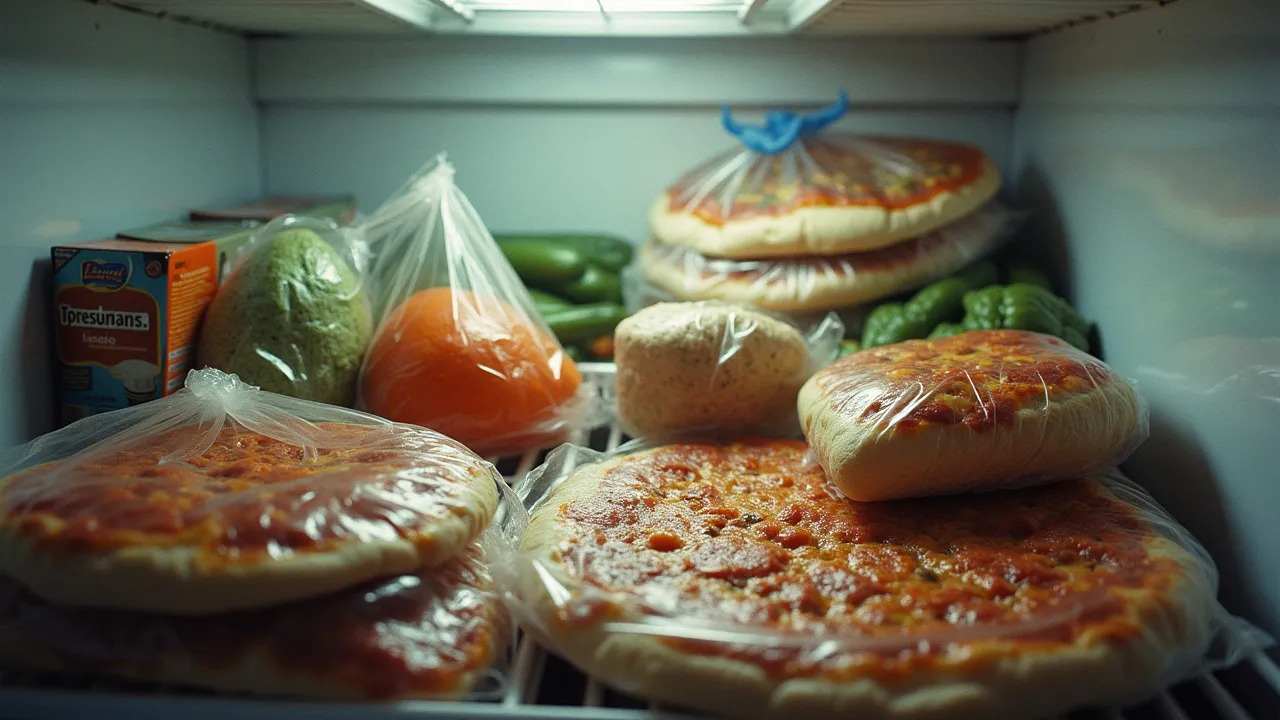
National Frozen Food Day, observed every March 6th, celebrates the innovation of frozen food and its impact on modern convenience. From Clarence Birdseye's breakthroughs to today's vast freezer aisles, this day honors a culinary revolution that changed the world.
The Historical Origins & Evolutionary Journey
National Frozen Food Day marks a pivotal moment in culinary history. The journey began in the early 20th century with a man named Clarence Birdseye, whose innovations in quick-freezing transformed how humanity preserves and consumes food.
The Foundational Catalyst: Clarence Birdseye's Genius
In the 1920s, while working as a fur trader in Labrador, Canada, Birdseye observed that freshly caught fish, when exposed to the Arctic winds, froze almost instantly and, when thawed, tasted remarkably fresh. He realized that rapid freezing prevented the formation of large ice crystals that damaged cell structures. In 1924, he perfected the process of quick-freezing using a belt freezer and founded the General Seafoods Company. His first products, including frozen fish and vegetables, hit the market in 1930 under the brand name 'Birds Eye.'
The Legislative/Official Adoption: Reagan's Proclamation
Decades later, the frozen food industry had grown exponentially, but it lacked a national day of recognition. In 1984, the National Frozen Food Association lobbied for an official observance. President Ronald Reagan issued Proclamation 5157, designating March 6th as National Frozen Food Day. The proclamation highlighted the industry's role in providing nutritious, convenient food and reducing waste. This official endorsement gave the day legitimacy and spurred widespread celebrations.
Modern Global Legacy
Today, frozen food is a staple in households worldwide. The day is used to educate consumers about the benefits of frozen foods—nutritional value, reduced food waste, and year-round availability. Supermarkets often run promotions, and schools host educational programs. The legacy of Birdseye's innovation continues as new freezing technologies emerge, from flash freezing to cryogenic methods.
How to Celebrate National Frozen Food Day
Celebrating National Frozen Food Day can be as simple or elaborate as you like. Here are actionable ways to participate, from individual activities to large-scale events.
Individual and Family Celebrations
- Cook a Frozen Food Feast: Plan a meal entirely from frozen ingredients—appetizers, main courses, sides, and desserts. Explore international frozen foods like frozen dumplings or edamame.
- Try a New Frozen Product: Visit your local freezer aisle and pick something you've never tried before, such as frozen jackfruit or plant-based burgers.
- Host a Frozen Food Potluck: Invite friends and ask each to bring a dish made from at least 50% frozen ingredients.
Community and School Events
- School Educational Sessions: Organize a lesson on the history of frozen food, including a taste test comparing fresh and frozen produce.
- Food Drives: Collect non-perishable frozen items (e.g., frozen vegetables, TV dinners) for local food banks. Coordinate with shelters that have freezer capacity.
Corporate and Industry Rituals
- Employee Freezer Day: Companies can provide frozen snacks or host a 'freezer cook-off.'
- Consumer Promotions: Retailers can offer discounts on frozen items, host sampling events, or partner with brands for giveaways.
The Global Impact of Frozen Food
Frozen food has reshaped global food systems, enabling long-distance trade and reducing seasonal dependency. Key impacts include:
- Reduced Food Waste: Freezing extends shelf life, preventing spoilage of surplus harvests. The UN estimates that frozen food can reduce household food waste by up to 30%.
- Year-Round Nutrition: Frozen fruits and vegetables retain nutrients because they are picked at peak ripeness and flash-frozen immediately. This provides access to seasonal produce any time of year.
- Economic Opportunities: The frozen food industry supports millions of jobs—from farming and processing to logistics and retail. In developing countries, cold chain infrastructure has opened export markets for fresh-like products.
- Convenience and Time Savings: Modern lifestyles rely on quick meal solutions. Frozen dinners and pre-prepped ingredients save time, reducing the barrier to home cooking.
However, challenges remain: energy consumption of cold chains and plastic packaging waste. Innovations in sustainable packaging and energy-efficient freezers are addressing these issues.
The Science Behind Freezing: How It Works
Understanding the science of freezing enhances appreciation for frozen food. The key principle is that rapid freezing forms tiny ice crystals that preserve cell structure, maintaining texture and nutrients. Slow freezing creates large crystals that rupture cell walls, leading to mushiness upon thawing.
Quick-Freezing vs. Conventional Freezing
- Quick-Freezing: Uses extremely low temperatures (below -18°C) in a blast freezer or cryogenic tunnel. The product freezes within minutes, locking in freshness.
- Home Freezing: Slower process because home freezers operate at around -18°C but with less airflow. For best results, freeze items in thin, single layers to accelerate cooling.
Nutrient Retention
Freezing preserves vitamins and minerals. Studies show that frozen vegetables can have similar or higher nutrient levels than fresh ones that have been stored for days. The process also halts microbial growth without preservatives.
Health and Nutritional Considerations of Frozen Foods
Frozen foods often get a bad reputation, but they can be part of a healthy diet. Myths vs. Facts:
- Myth: Frozen foods are less nutritious than fresh. Fact: Freezing preserves nutrients; some frozen produce has higher vitamin C after storage than week-old 'fresh' produce.
- Myth: Frozen meals are high in sodium and additives. Fact: Many frozen brands now offer low-sodium, organic, and clean-label options. Read labels to choose wisely.
Choosing Healthy Frozen Foods
- Look for products with short ingredient lists.
- Opt for plain frozen fruits and vegetables without sauces.
- Check for added sugars in frozen desserts and breakfast items.
- Preferably choose items labeled 'flash frozen' or 'individually quick frozen' (IQF).
Incorporating frozen foods can increase dietary diversity, especially in food deserts where fresh produce is scarce.
The Future of Frozen Food: Trends and Innovations
The frozen food industry is evolving rapidly, driven by technology and consumer demand. Key trends shaping the future:
- Plant-Based Revolution: Frozen plant-based meats, cheeses, and complete meals are booming. Brands like Beyond Meat and Impossible Foods have frozen lines.
- Sustainable Packaging: Companies are developing compostable and recyclable packaging to reduce plastic waste. Some use vacuum skin packaging that uses 50% less material.
- Smart Freezing: IoT-enabled freezers monitor inventory, suggest recipes, and optimize energy usage. Domestically, these are still niche but growing.
- Global Flavors: Consumers crave authenticity. Frozen sections now feature regional cuisines from Korean bibimbap to Ethiopian injera, making global eating accessible.
- Freeze-Dried Innovations: Freeze-drying (a form of frozen food preservation) is expanding beyond camping meals to snacks and fruits with extended shelf life.
As climate change threatens agriculture, frozen food will play a crucial role in creating a resilient food supply chain.
Historical Timeline
Clarence Birdseye perfects the quick-freezing process using a belt freezer, laying the foundation for modern frozen food. He founds General Seafoods Company.
The first retail frozen foods—including frozen fish, vegetables, and fruits—are sold under the Birds Eye brand in Springfield, Massachusetts.
Swanson introduces the first TV dinner, a frozen meal in a compartmentalized tray that becomes an icon of convenience culture.
President Ronald Reagan signs Proclamation 5157, officially designating March 6th as National Frozen Food Day.
Frozen organic foods appear, responding to consumer demand for natural and sustainable products. Brands like Cascadian Farm gain popularity.
Flash freezing technology improves, leading to high-quality frozen fruits and vegetables that rival fresh. 'Individually Quick Frozen' (IQF) becomes standard.
Plant-based frozen meat alternatives surge, with brands like Beyond Meat launching frozen burgers and sausages.
Pandemic pantry stocking boosts frozen food sales by over 20%, cementing its role in food security. Sustainability innovations in packaging and energy efficiency accelerate.