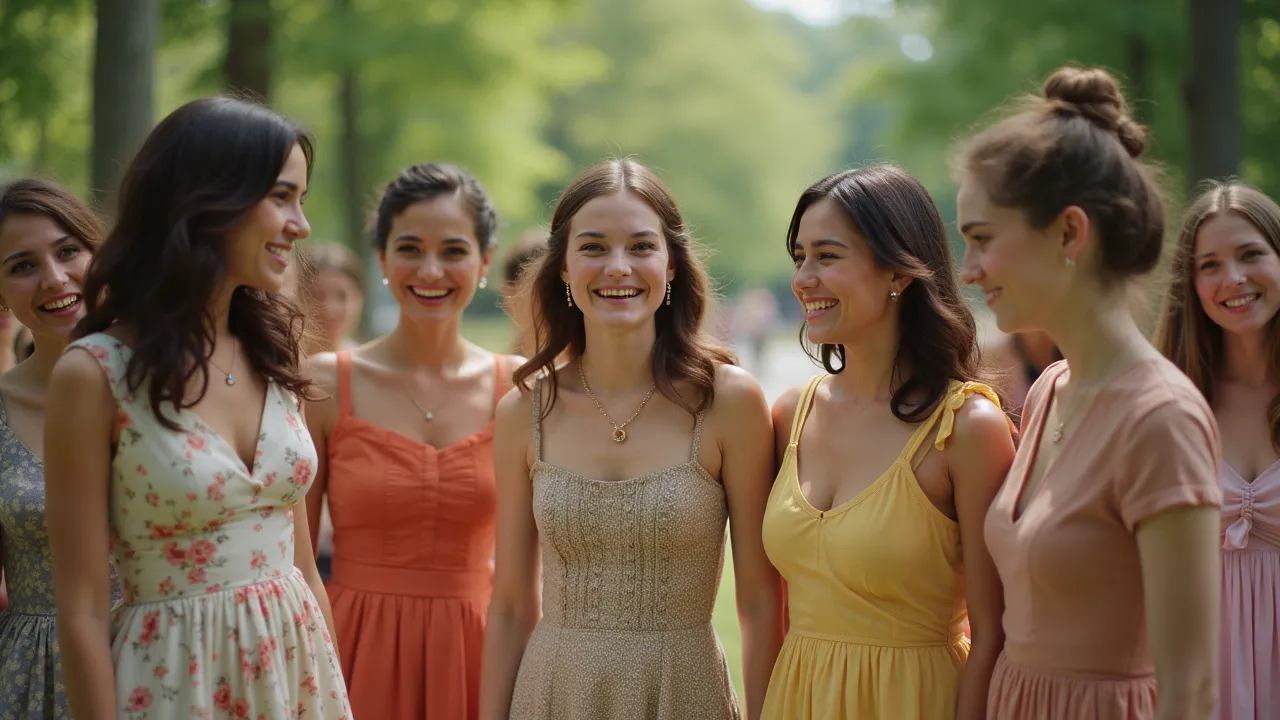
National Dress Day, observed on March 6th, celebrates the cultural and historical significance of dresses worldwide. This day honors fashion as an art form and encourages people to explore diverse dress styles across cultures.
The Historical Origins & Evolutionary Journey
National Dress Day, celebrated annually on March 6th, is a relatively modern observance that emerged from the growing appreciation for fashion history and cultural attire. The day was established to encourage people to explore the rich heritage of dressmaking and to recognize the dress as a symbol of personal and collective identity.
The Foundational Catalyst
The idea for a dedicated dress day was first proposed by fashion historians and enthusiasts who noticed a gap in public awareness regarding the cultural impact of dresses. Unlike other fashion items, the dress has been a constant in human civilization for millennia, evolving from simple draped garments to complex haute couture. The catalyst came in 2018 when a group of educators and curators from the Fashion Institute of Technology launched a campaign to establish a day to celebrate the dress in all its forms.
The Legislative/Official Adoption
While National Dress Day is not a federal holiday, it gained official recognition through partnerships with museums, fashion councils, and educational institutions. The first official celebration took place on March 6, 2019, with events ranging from museum exhibitions to social media campaigns. The date was chosen to coincide with the start of spring fashion weeks and to honor the birthday of renowned fashion designer Pauline Trigère, though that connection is often debated.
Modern Global Legacy
Today, National Dress Day is observed in over 50 countries. The day has evolved from a niche fashion event into a global celebration of diversity, sustainability, and artistry. Social media platforms play a crucial role, with millions sharing photos of their favorite dresses under hashtags like #NationalDressDay. The day also promotes ethical fashion, encouraging thrifting, upcycling, and supporting local artisans.
How to Celebrate National Dress Day
National Dress Day offers endless opportunities for participation, whether you are a fashion enthusiast, a history buff, or simply someone who enjoys wearing dresses. Here is a comprehensive guide to celebrating meaningfully:
For Individuals
- Wear a Dress: The simplest way to celebrate is to wear a dress that makes you feel confident and happy. Choose a style that reflects your personality or one that represents your cultural heritage.
- Host a Dress Swap: Organize a clothing swap with friends to exchange dresses, promoting sustainable fashion and giving garments a second life.
- Learn about Dress History: Read a book or watch a documentary on the evolution of dresses. Visit a local museum with a costume collection, or explore online archives.
- Share on Social Media: Post a photo of your dress with the hashtag #NationalDressDay and include a fun fact about its origin or design.
For Schools and Communities
- Fashion Show: Organize a dress-themed fashion show where participants can showcase dresses from different eras or cultures.
- Workshops: Host a sewing or dressmaking workshop to teach basic skills and encourage creativity.
- Cultural Display: Create an exhibition of traditional dresses from around the world, highlighting embroidery techniques, fabrics, and symbolic meanings.
For Organizations
- Dress Drive: Collect new or gently used dresses for charities that support underserved communities or dress-for-success programs.
- Employee Engagement: Encourage employees to wear dresses or dress-inspired attire to work, and host a lunch-and-learn session on fashion sustainability.
- Partnerships: Collaborate with local designers or vintage shops to offer discounts or special events on March 6th.
Across different cultures, celebrations vary. In India, for example, people may wear saris or lehengas; in Japan, kimonos; in Scotland, kilts (though technically not dresses, the spirit of traditional attire is embraced). The key is to respect and honor diverse dress traditions while having fun.
Global Impact & Cultural Significance
The dress is a universal garment, yet its meanings and forms vary dramatically across continents. National Dress Day serves as a platform to explore these differences and similarities.
Western Fashion
In Western societies, the dress has been a staple of femininity and fashion since the Middle Ages. The little black dress, invented by Coco Chanel in the 1920s, revolutionized women's fashion by offering a versatile, affordable, and chic option.African Attire
In many African countries, dresses like the kente cloth gown or the dashiki represent tribal identity, status, and ceremonial importance. The vibrant colors and patterns tell stories of heritage.Asian Traditions
From the Chinese cheongsam to the Korean hanbok, dresses in Asia often emphasize elegance and modesty, with intricate embroidery and symbolic motifs. The Indian sari is one of the oldest continuous garment traditions, with regional variations in draping and fabric.Middle Eastern Modest Fashion
The abaya and khaleeji dress in the Gulf region combine modesty with luxury, often adorned with crystals and high-end fabrics. National Dress Day celebrates all these forms, fostering cross-cultural appreciation.Fashion Industry Transformation
National Dress Day also highlights the evolving relationship between fashion consumers and the industry.
Sustainable Fashion Movement
The day is a call to action for sustainable practices. The UN estimates that the fashion industry produces 10% of global carbon emissions, and fast fashion has led to massive waste. National Dress Day encourages slow fashion—buying quality, timeless pieces that can be worn for years.Inclusive Design
Another transformation is the push for size inclusivity and adaptive clothing. Brands like Universal Standard and Tommy Hilfiger have expanded dress lines to accommodate all body types and abilities, ensuring that everyone can celebrate on this day.Technological Innovations
Technology is also reshaping how dresses are designed and sold. 3D printing, virtual try-ons, and AI-driven design are making custom dresses more accessible. National Dress Day showcases these innovations through online fashion shows and digital exhibitions.Social Media & Digital Celebration
Social media is the engine of National Dress Day's global reach. On March 6th, platforms like Instagram, TikTok, and Pinterest explode with dress-related content.
Hashtag Campaigns
Key hashtags include #NationalDressDay, #DressDay, #FashionHistory, and #SustainableStyle. Users post outfit-of-the-day (OOTD) photos, vintage finds, and educational content about dress traditions.Influencer Participation
Fashion influencers often collaborate with brands to showcase limited-edition dresses or promote ethical labels. Micro-influencers share personal stories about the cultural significance of their dresses.Virtual Events
Museums and fashion schools host live-streamed lectures, panel discussions, and virtual museum tours focusing on dress collections. For example, the Victoria and Albert Museum in London offers a virtual tour of its costume galleries.Dress as a Symbol of Identity & Empowerment
Beyond aesthetics, the dress carries deep symbolic meaning. For many, wearing a dress is an act of empowerment, resistance, or cultural pride.
Feminism and Dress
Historically, dresses have been both a tool of oppression and liberation. The 19th-century dress reform movement advocated for rational dress (bloomers) to allow women greater mobility. Today, choosing to wear a dress—or not—is a personal choice linked to bodily autonomy.Cultural Preservation
Indigenous communities use dress to preserve traditions. For example, the huipil worn by Maya women in Guatemala is a living textile art that encodes centuries of history. National Dress Day helps amplify these voices.Gender Expression
Dresses are increasingly worn by all genders as a form of self-expression. The rise of gender-fluid fashion has expanded the definition of who can wear a dress, and National Dress Day welcomes everyone to participate.Historical Timeline
Coco Chanel designs the first 'little black dress', democratizing fashion and breaking color taboos.
The first 'Dress for Success' movement emerges, promoting tailored dresses for women in the workplace.
Fashion educators propose the idea of National Dress Day to the National Day Calendar in the US.
First official celebration of National Dress Day, with events at fashion institutes and online campaigns.
National Dress Day goes global as influencers and brands from 30+ countries participate via social media.
The day is officially recognized by UNESCO as an informal observance supporting cultural diversity and sustainable fashion.