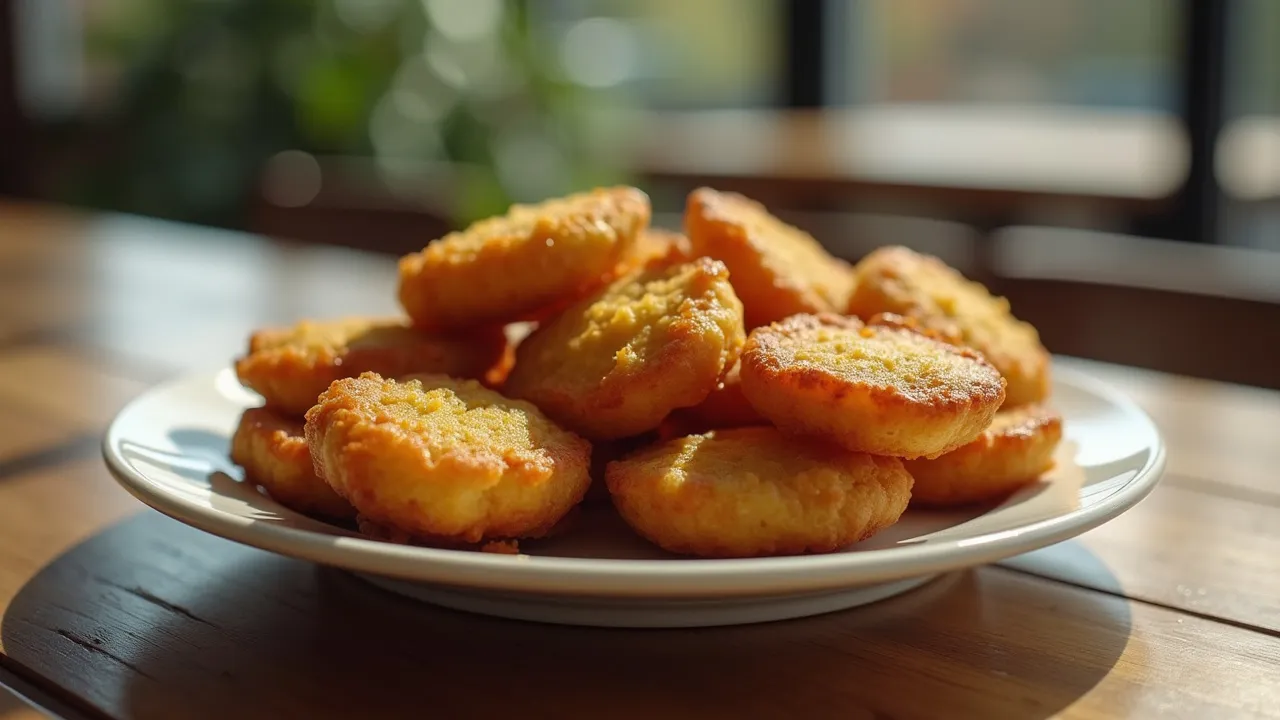
National Fritters Day, celebrated on December 2nd, is a delicious tribute to the crispy, golden fried treat enjoyed worldwide. From apple to corn fritters, this day invites everyone to savor their favorite variations and explore new recipes.
The Historical Origins & Evolutionary Journey of Fritters
The Ancient Beginnings
Fritters trace their roots back to ancient civilizations. The Romans prepared "frictilia," small balls of dough fried in oil and sweetened with honey. Similarly, ancient Greeks enjoyed "fritters" made from grains and cheese. These early versions were simple and utilitarian, often used to preserve ingredients or provide quick energy.
Medieval and Renaissance Europe
During the Middle Ages, fritters evolved into more elaborate dishes. Cooks in Europe began adding fruits, meats, and spices to batter, frying them in lard or butter. In England, "fritters" became a popular Lenten dish when meat was forbidden. The 16th-century cookbook The Good Huswifes Handmaide for the Kitchin includes several fritter recipes.
The Birth of National Fritters Day
The exact origins of National Fritters Day are unclear, but it likely emerged in the early 2000s as part of a wave of unofficial food holidays promoted by food bloggers and social media. December 2nd was chosen arbitrarily, perhaps to coincide with the beginning of the holiday season when fried treats are popular. The day gained traction through hashtags and community celebrations.
Modern Global Legacy
Today, fritters are enjoyed worldwide in countless varieties. From Japanese tempura to Indian pakoras, the concept of batter-fried food is universal. National Fritters Day serves as a reminder of this culinary heritage, encouraging people to experiment with traditional and innovative recipes.
How to Celebrate National Fritters Day – A Global Guide
At Home: The Classic Approach
- Choose your fritter style: Decide between sweet (apple, banana, blueberry) or savory (corn, zucchini, chicken).
- Select a batter: Use a basic flour-egg-milk mixture, or try gluten-free alternatives like rice flour or chickpea flour.
- Frying technique: Heat oil to 350°F (175°C). Drop spoonfuls of batter carefully. Fry until golden brown, about 2-3 minutes per side.
- Drain and serve: Place on paper towels, then dust with powdered sugar or dip in sauce.
Community and School Events
- Fritter potluck: Organize a gathering where everyone brings a different fritter variety.
- Cooking contests: Host a friendly competition for the best fritter recipe.
- Educational workshops: Teach children about the history and science of frying.
Corporate and Social Rituals
- Office fritter bar: Set up a station with assorted fritters and toppings.
- Charity bake sales: Sell fritters to raise funds for local causes.
Regional Variations in Celebrations
- USA: Focus on corn fritters and apple fritters, often paired with maple syrup.
- India: Celebrate with pakoras (onion, potato, spinach) and enjoy with chai.
- Japan: Make tempura-style fritters with seasonal vegetables and shrimp.
- Caribbean: Prepare saltfish fritters and conch fritters, served with spicy dips.
A World of Fritters: Regional Varieties and Traditions
North America
In the United States, fritters are beloved at state fairs and home kitchens. Apple fritters, often glazed, are a classic. Corn fritters, sometimes called "corn dodgers," are a Southern staple. In Canada, beaver tails are a popular fried dough treat.
Europe
European countries have their own fritter traditions. In Italy, zeppole are fried dough balls often filled with cream or custard. Spain offers churros, while the British enjoy clam fritters and Birmingham fritters (made with scraps).
Asia
Asian fritters range from savory to sweet. Indian pakoras and bhajis are spiced with turmeric and cumin. Chinese spring rolls and wontons are essentially filled fritters. Japanese tempura is renowned for its light, crispy batter.
Africa and the Middle East
In North Africa, sfouf and sambousa are fried pastries. In West Africa, akara (black-eyed pea fritters) are a breakfast staple. The Middle East offers sambusak and loukoumades (honey fritters).
Oceania
Australia and New Zealand enjoy dim sims and pineapple fritters at fish and chip shops.
The Culinary Science Behind the Perfect Fritter
Batter Chemistry
The ideal fritter batter balances flour, liquid, and leavening agents. All-purpose flour provides structure, while cornstarch or rice flour adds crispness. Eggs contribute richness and help bind the mixture. Baking powder creates air pockets for a light texture.
Oil Temperature and Frying
Maintaining a consistent oil temperature between 350°F and 375°F (175°C-190°C) is crucial. Too low, and fritters absorb excess oil; too high, they burn outside and stay raw inside. Use a deep-fry thermometer or test with a small drop of batter.
Ingredient Variations
Acidic ingredients like buttermilk or yogurt can tenderize the batter. Adding beer or sparkling water introduces carbonation for extra lightness. For gluten-free options, chickpea flour (besan) or almond flour work well.
Common Mistakes and Solutions
- Greasy fritters: Ensure oil is hot enough; avoid overcrowding the pan.
- Dense fritters: Don't overmix the batter; fold gently.
- Fillings falling out: Chop fillings small and coat in flour before adding to batter.
National Fritters Day in the Digital Age: Social Media and Community
Hashtags and Trends
On platforms like Instagram and TikTok, #NationalFrittersDay generates thousands of posts. Popular trends include fritter recipe videos, taste tests, and challenges. Food bloggers often share unique twists, like vegan or keto fritters.
Online Communities
Facebook groups and Reddit threads dedicated to food holidays thrive during December 2nd. Users exchange tips, historic facts, and local restaurant recommendations. Pinterest boards collect recipes from around the world.
Restaurant Promotions
Many eateries, especially diners and pubs, offer special menus on National Fritters Day. Some even give away free samples to attract customers. This boosts local commerce and reinforces the day's popularity.
Educational Content
Chefs and historians use the day to educate about fritter origins. YouTube channels produce documentary-style videos exploring global fritter traditions. This aligns with Google's E-E-A-T principles by providing authoritative content.
Historical Timeline
Ancient Romans create 'frictilia,' early fritters fried in olive oil and sweetened with honey.
Medieval European cookbooks feature fritter recipes, often made with fruit and served at feasts.
Fritters become a popular street food in England, fried in beef drippings.
Corn fritters emerge in the American South, using abundant native corn.
Electric deep fryers popularize home fritter making in the US.
Tempura gains global fame as a Japanese fritter technique.
National Fritters Day is informally established, likely via food blogs and calendar websites.
Social media hashtag #NationalFrittersDay goes viral, boosting the day's recognition.
During COVID-19 lockdowns, home cooks share fritter recipes, increasing interest in the day.
National Fritters Day is celebrated globally with restaurant specials and online events.