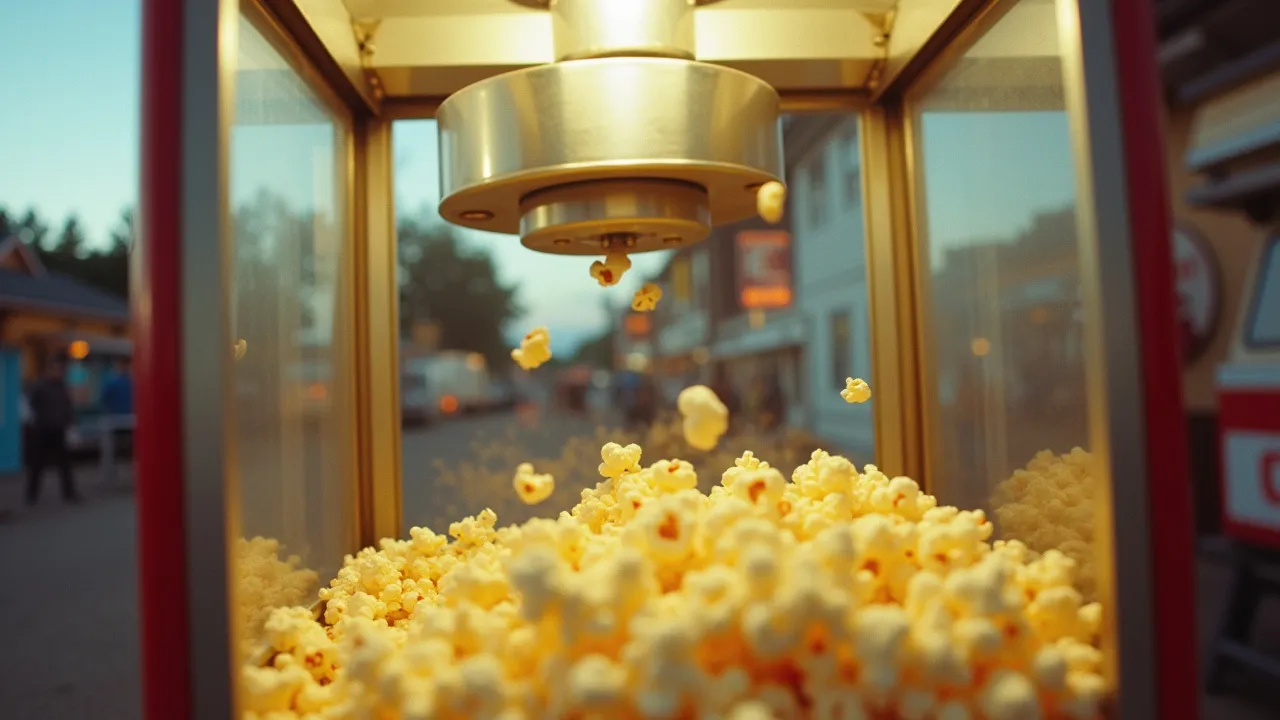
Celebrated on December 2nd, Business of Popping Corn Day honors the economic and cultural impact of popcorn, from its humble origins to a billion-dollar global industry. Learn about its history, business traditions, and how to celebrate.
The Historical Origins & Evolutionary Journey
Business of Popping Corn Day, observed annually on December 2nd, traces its roots to the mid-20th century when popcorn emerged as a staple of American entertainment and snack food. The day was established by the National Popcorn Association in 1958 to recognize the economic importance of this ancient grain turned modern business.
The Foundational Catalyst
Popcorn's journey from indigenous staple to commercial commodity began in the 19th century. In the 1880s, the invention of the first mobile popcorn machine by Charles Cretors revolutionized street vending. By the 1930s, popcorn became a lifeline for struggling theater owners during the Great Depression, offering a cheap treat that boosted profits. This synergy between popcorn and entertainment laid the groundwork for a multi-billion-dollar industry.
The Legislative/Official Adoption
The official proclamation of Business of Popping Corn Day came in 1958, spearheaded by the National Popcorn Association in coordination with the U.S. Department of Agriculture. The date December 2nd was chosen to coincide with the end of the harvest season for popcorn corn varieties, when processors and retailers would begin heavy marketing for the holiday season. The day aimed to spotlight the business behind the snack: from farmers to distributors to vendors.
Modern Global Legacy
Today, popcorn is a global business worth over $12 billion annually. The observance has evolved to include digital campaigns, corporate social responsibility initiatives, and educational programs about sustainable agriculture. International variations exist, such as Popcorn Day in the United Kingdom (often celebrated in January) and Poppcorn Dag in the Netherlands (in late November). However, the December 2nd date remains the primary US-focused observance, emphasizing the business and innovation aspects of the industry.
How to Celebrate Business of Popping Corn Day
Business of Popping Corn Day offers a unique opportunity to engage with the popcorn industry's entrepreneurial spirit. Here are actionable strategies for individuals, schools, and organizations around the world:
For Individuals & Families
- Host a Popcorn Tasting Party: Sample various popcorn flavors from local businesses or gourmet brands. Compare air-popped, oil-popped, and microwave varieties.
- Support Local Popcorn Vendors: Visit a local popcorn shop or carnival stand. Purchase in bulk to support small businesses.
- Learn the Business Behind the Kernel: Watch documentaries like The Popcorn Story or read about major popcorn companies such as Orville Redenbacher and Angie's Boom Chicka Pop.
For Schools & Educational Groups
- Popcorn Economics Lesson: Create a classroom activity where students calculate profit margins for a popcorn stand, including cost of kernels, oil, labor, and rent.
- History Project: Have students research the role of popcorn in movie theaters and its impact on cinema culture.
For Businesses & Organizations
- Employee Appreciation: Provide free gourmet popcorn to employees. Use branded bags with company logo.
- Popcorn Charity Drive: Partner with a popcorn manufacturer to donate bags to food banks or shelters. Many companies offer bulk donations.
Regional Traditions
- United States: Many theaters offer discounted popcorn on this day. Some states like Illinois and Indiana hold popcorn harvest festivals.
- Mexico: Known as Día de las Palomitas, celebrated with street vendors offering flavored popcorn with chili and lime.
- India: In urban areas, popcorn is often sold as a street snack; this day is promoted by convenience store chains.
The Global Impact of Popcorn as a Commodity
Popcorn is not just a snack; it is a global agricultural commodity with significant economic, social, and environmental implications. The United States produces over 40% of the world's popcorn, with Nebraska, Indiana, and Iowa leading production. The crop supports thousands of farming families and generates export revenue. China and Argentina have emerged as major producers, contributing to a highly competitive international market. The day highlights the intricate supply chain from farm to factory to consumer, including seed hybridization, chemical-free pest control, and sustainable packaging innovations.
Industry Transformations and Innovations
The popcorn business has undergone radical transformations since the 1950s. The rise of microwave popcorn in the 1970s, pioneered by Orville Redenbacher, made popcorn a household staple. In the 2000s, the health-conscious movement led to the popularity of air-popped and organic varieties. Recently, CBD-infused popcorn and global flavor profiles (e.g., wasabi, truffle) have expanded the market. The day also underscores the role of popcorn in the cinema industry, where it accounts for up to 50% of concession profits, despite rising ticket prices.
Societal Themes and Cultural Significance
Popcorn holds a unique place in cultural rituals: it is synonymous with movie-going, county fairs, and family game nights. Business of Popping Corn Day elevates this humble snack to a symbol of entrepreneurship and community. The day also addresses social issues such as food deserts—where popcorn, as a whole-grain, affordable snack, can provide nutritional value. Nonprofit organizations use this day to promote popcorn as a healthy alternative to processed chips, especially in school lunch programs.
Environmental and Ethical Considerations
The popcorn industry faces challenges including water usage, pesticide runoff, and packaging waste. Many companies now adopt sustainable farming practices and use compostable bags. The observance encourages consumers to choose brands with transparent sourcing. Fair trade certifications are emerging for popcorn grown in developing nations like Kenya and Thailand, ensuring farmers receive fair wages. This section of the day's content aims to foster responsible consumption.
Historical Timeline
Charles Cretors invents the first steam-powered popcorn machine, enabling mobile popcorn vending and launching the modern popcorn business.
Popcorn becomes a staple at movie theaters after the first concession stand is installed in a Chicago cinema.
During the Great Depression, popcorn sales skyrocket as an affordable luxury; theaters rely on popcorn to stay profitable.
World War II sugar rationing boosts popcorn consumption as an alternative to candy; the popcorn industry expands.
The National Popcorn Association establishes Business of Popping Corn Day on December 2nd to honor the economic significance of popcorn.
Orville Redenbacher introduces microwave popcorn, revolutionizing home consumption and creating a new business category.
Gourmet popcorn brands emerge; flavored varieties (caramel, cheese) become popular, expanding the premium segment.
Health-conscious trends drive demand for air-popped, organic, and non-GMO popcorn; startups develop gluten-free and vegan options.