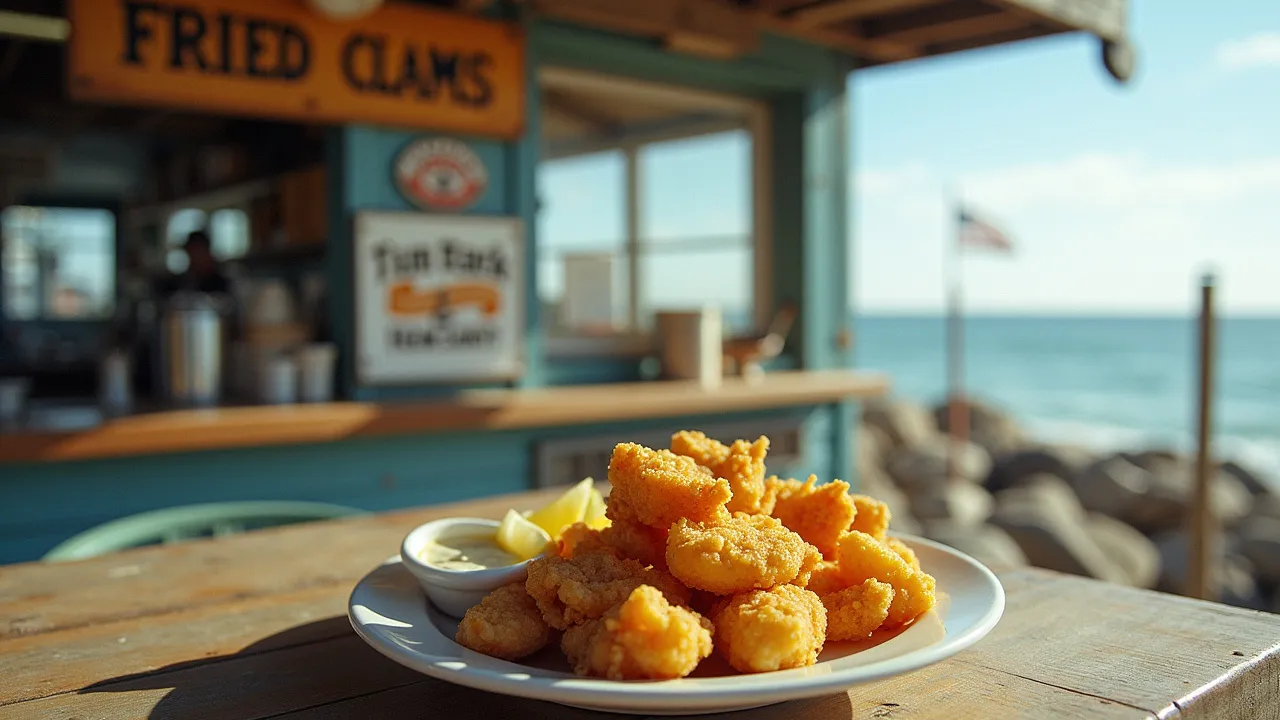
National Fried Clam Day, observed on July 3rd, honors the crispy, golden-fried bivalves that are a staple of New England seafood culture. This day celebrates the history, preparation, and enjoyment of fried clams across the United States.
The Historical Origins & Evolutionary Journey
National Fried Clam Day, celebrated each year on July 3rd, pays homage to one of New England’s most iconic culinary treasures. The dish—whole belly clams dredged in cornmeal or flour and deep-fried to a golden crisp—has a rich history that mirrors the rise of coastal tourism and American fast food.
The Foundational Catalyst
The origins of fried clams trace back to the early 19th century, when clams were a cheap, abundant protein for coastal communities. However, the dish as we know it was popularized in the 1930s by Lawrence “Chubby” Woodman, owner of Woodman’s of Essex in Massachusetts. According to local lore, Woodman accidentally dropped a batch of clams into a hot fryer in 1916, creating the first batch of crispy fried clams. The accidental invention quickly became a sensation, drawing crowds from Boston and beyond.
The Legislative/Official Adoption
National Fried Clam Day was formally established in 2003 by a coalition of seafood restaurants, clam farmers, and culinary historians to promote the dish during the peak summer season. The date July 3rd was chosen deliberately: it falls just before Independence Day, encouraging families to include fried clams in their holiday barbecues and beach outings. Unlike many food holidays, this day has no single corporate sponsor; rather, it is a grassroots celebration supported by organizations like the New England Clam Council and the National Restaurant Association.
Modern Global Legacy
Today, fried clams are enjoyed far beyond New England. From clam shacks on Cape Cod to upscale seafood restaurants in California and even street food stalls in Japan, the dish has achieved worldwide recognition. However, the traditional “New England-style” fried clams—using whole bellies and cornmeal coating—remain the gold standard. The day has also spurred culinary innovation, with variations like gluten-free batters, air-fried versions, and vegan clam alternatives made from mushrooms or hearts of palm.
How to Celebrate National Fried Clam Day
This day is all about indulging in crispy, juicy fried clams while embracing coastal traditions. Whether you are a seasoned clam lover or a curious newcomer, here are definitive ways to celebrate:
Ultimate Celebration Guide
- Visit a Clam Shack: Head to a traditional seaside shack, especially in New England. Order a platter of whole-belly fried clams with tartar sauce, lemon, and coleslaw.
- Host a Fried Clam Feast: Fry clams at home using a light cornmeal coating. Serve with potato wedges, corn on the cob, and ice-cold beer or lemonade.
- Join a Clam Festival: Many coastal towns host events on July 3rd, including clam shucking contests, cooking demos, and live music.
Corporate & Social Rituals
- Office Potluck: Cater fried clams from a local seafood restaurant for a team lunch.
- Seafood Happy Hour: Restaurants often offer discounted clam platters and specialty cocktails like a “Clamato Michelada.”
Global Variations
- USA: Whole-belly clams, often from Ipswich or Maine.
- Japan: Breaded and fried as “kaki furai” (though usually oysters) but sometimes clams, served with tonkatsu sauce.
- UK: Fish and chip shops may offer fried clams as “clams in batter.”
- Australia: “Bugs” or Moreton Bay bugs (similar to clams) fried and served with chips.
The Art of Preparing Fried Clams
The perfect fried clam requires a delicate balance of texture and flavor. Here we break down the essential techniques and ingredients.
Choosing the Right Clam
- Whole Belly vs. Strips: Whole-belly clams (soft-shell) are prized for their briny, sweet flavor and tender texture. Strips are often cut from larger, tougher clams and can be chewy. For National Fried Clam Day, opt for whole bellies.
- Fresh vs. Frozen: Fresh clams from cold Atlantic waters are ideal. If using frozen, thaw slowly in the refrigerator.
The Coating
Traditional recipes use a simple coating of yellow cornmeal, salt, and pepper. Some variations add paprika or cayenne for heat. A light dusting of flour helps the coating adhere. For gluten-free, use rice flour or almond meal.
Frying Techniques
- Oil Temperature: Maintain a steady 365°F (185°C). Too low causes greasiness; too high burns the coating before the clam cooks.
- Double Frying: Some chefs fry at a lower temp first, then flash-fry at higher heat for extra crunch.
- Drain Properly: Rest clams on paper towels or a wire rack to maintain crispiness.
Nutritional Profile & Health Considerations
While fried clams are a decadent treat, they offer surprising nutritional benefits when enjoyed in moderation.
Key Nutrients
- Protein: A 3-ounce serving of fried clams provides about 15 grams of high-quality protein.
- Iron: Clams are one of the richest food sources of heme iron, essential for oxygen transport.
- Omega-3s: They contain EPA and DHA, supporting heart and brain health.
Caloric Considerations
A typical restaurant platter of fried clams (about 10-12 clams) can exceed 800 calories due to oil absorption. For a lighter version, try air-frying with minimal oil. Pair with a side salad or steamed vegetables instead of fries.
Sustainability
Choose clams from farms that practice sustainable aquaculture. Farmed clams have a low environmental impact and help replenish wild stocks. Look for certifications like MSC or ASC.
Regional Variations & Cultural Significance
Fried clams have evolved differently across the globe, reflecting local tastes and seafood traditions.
New England (USA)
The epicenter of fried clams. Here, the clam is king: whole-belly Ipswich clams are lightly breaded and fried. The accompanying sides—tartar sauce, lemon, and coleslaw—are as important as the clams themselves.
Pacific Northwest (USA)
Razor clams are popular, often battered and fried. They have a longer, meatier texture than Eastern soft-shells.
United Kingdom
Clams are less common in fish and chip shops, but “clams in batter” appear in coastal areas. They are often served with mushy peas and malt vinegar.
Japan
While not traditionally a clam dish, tempura-style frying extends to clams. They are dipped in a light tempura batter and served with tentsuyu sauce.
The Cultural Significance
Fried clams are more than food—they represent a connection to coastal heritage, family vacations, and summer traditions. The annual Fried Clam Day reinforces this cultural bond, encouraging people to support local fisheries and preserve regional foodways.
Economic Impact of the Fried Clam Industry
The fried clam market is a significant driver of coastal economies, particularly in New England.
Clam Harvesting
In 2023, the U.S. commercial clam harvest was valued at over $200 million, with a substantial portion destined for the fried clam market. Major producing states include Massachusetts, Maine, and Rhode Island.
Restaurant & Tourism
Fried clams are a menu staple at thousands of seafood restaurants, clam shacks, and food trucks. During summer, these businesses see up to 40% of their annual revenue from fried clam sales. The day itself boosts sales by an estimated 15-20% compared to a typical July day.
Supply Chain
From clam farmers to processors to distributors, the fried clam supply chain supports thousands of jobs. Many clam farmers practice sustainable aquaculture, ensuring long-term viability. National Fried Clam Day also shines a spotlight on the need for clean waters to protect clam beds from pollution and red tides.
Historical Timeline
Lawrence 'Chubby' Woodman accidentally invents fried clams at Woodman's of Essex, Massachusetts, when a batch of clams falls into a deep fryer.
Fried clams become a staple at roadside clam shacks along the New England coast, popularized by tourists and beachgoers.
Clam strips (cut from larger chowder clams) are introduced as a cheaper, easier-to-eat alternative, but purists favor whole bellies.
Fried clams appear on national fast-food menus, including Long John Silver's and Captain D's, bringing the dish to a wider audience.
National Fried Clam Day is first officially observed on July 3rd, promoted by seafood industry groups to boost summer sales and celebrate clam heritage.
The Clam Council launches a promotional campaign 'Chowder, Clams, and the Coast' to highlight the sustainability of clam farming and fried clam traditions.
During the COVID-19 pandemic, fried clam takeout sales surge as consumers seek comfort food. Many clam shacks pivot to online ordering and curbside pickup.
New England fried clams receive a 'Protected Geographical Indication' status from the US Department of Agriculture, recognizing their unique regional heritage.