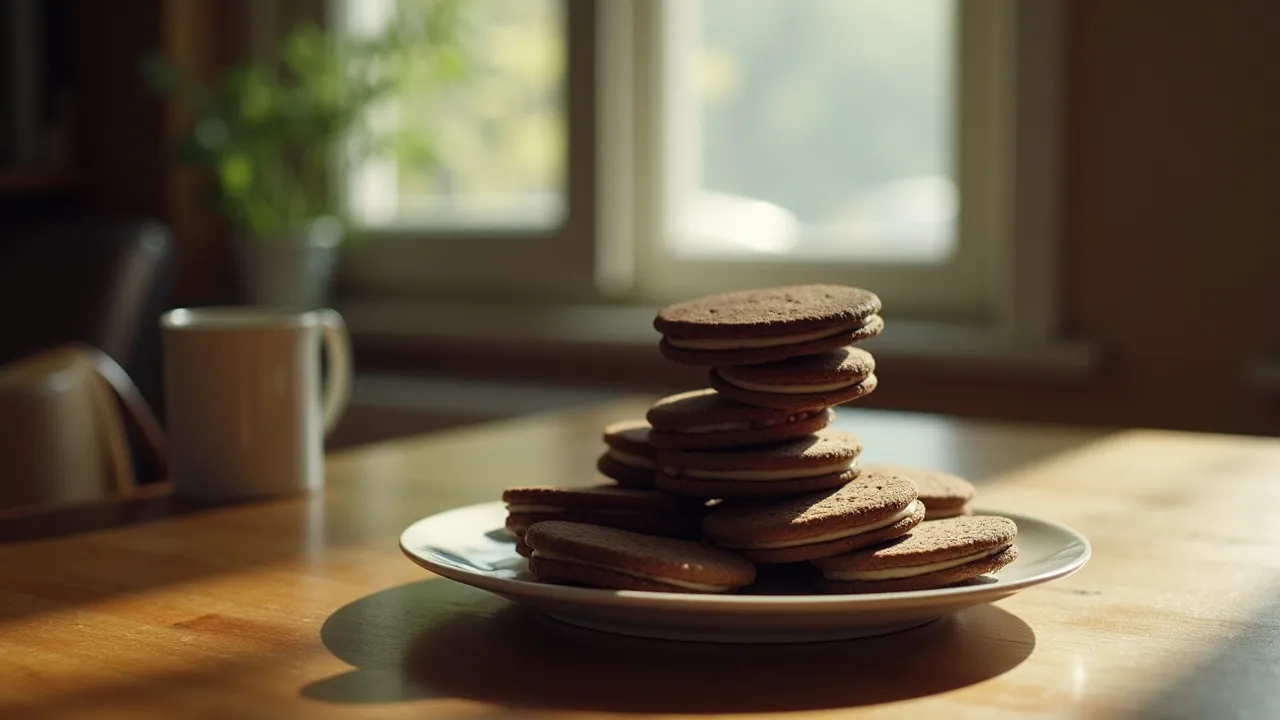
National Chocolate Wafer Day, celebrated on July 3rd, honors the crisp, layered chocolate cookie enjoyed alone or in desserts. It's a day to indulge in this classic treat and explore its rich culinary history.
The Historical Origins & Evolutionary Journey of Chocolate Wafers
National Chocolate Wafer Day is an unofficial food holiday observed on July 3rd annually. Its origins lie in the broader history of chocolate wafer cookies.
The Foundational Catalyst
The chocolate wafer, as we know it, emerged from the European biscuit tradition of the 19th century. The first chocolate-covered wafer cookies appeared in the late 1800s, with brands like Nabisco introducing the iconic Chocolate Wafer in the 1910s. The thin, crisp layers were achieved through mechanized rolling and baking processes.
The Legislative/Official Adoption
Unlike many official holidays, National Chocolate Wafer Day was not established by legislation. Instead, it gained traction in the early 2000s through food bloggers and social media. The date July 3rd was chosen likely as a prelude to Independence Day celebrations, offering a sweet treat before the main holiday.
Modern Global Legacy
Today, chocolate wafers are enjoyed worldwide in various forms. Key developments include:
- 1920s: Peek Freans launches the "Chocolate Wafer" in the UK.
- 1950s: Oreo-style wafer sandwiches become popular.
- 2000s: Artisanal bakers craft gourmet chocolate wafers.
The day encourages people to enjoy these wafers plain, crushed over ice cream, or as part of elaborate desserts.
How to Celebrate National Chocolate Wafer Day
Individual Celebrations
Celebrate National Chocolate Wafer Day by indulging in your favorite brand or trying a new recipe. Here are actionable ideas:
- Enjoy a classic chocolate wafer dipped in milk.
- Crush wafers over vanilla ice cream for a simple sundae.
- Bake a chocolate wafer crust for a cheesecake.
School and Corporate Events
Organize a wafer-tasting party or a decorating contest. Use wafers as edible art supplies.
- Host a "Wafer Tasting" with different brands.
- Create a wafer sculpture (e.g., a Eiffel Tower).
- Donate wafers to local food banks.
Global Traditions
While the day is primarily US-centric, chocolate wafers are celebrated in many cultures. In Italy, Gianduiotti wafers are popular; in Japan, matcha-flavored wafers feature in tea ceremonies.
Nutritional and Health Aspects of Chocolate Wafers
Caloric Content
Chocolate wafers are typically high in sugar and fat. A single serving (about 4 wafers) contains 150-200 calories. Moderation is key.
Ingredient Considerations
Common ingredients include wheat flour, sugar, cocoa, and vegetable oil. Some brands use palm oil, which raises environmental concerns. Look for brands with sustainable ingredients.
Dietary Variants
Gluten-free and vegan options are available. Read labels carefully.
Chocolate Wafers in Popular Culture
Chocolate wafers have appeared in films like "Willy Wonka & the Chocolate Factory" and in novels such as "Chocolat". They are often associated with childhood nostalgia and comfort.
Culinary Innovations and Pairings with Chocolate Wafers
Beyond snacking, chocolate wafers are versatile. They can be ground into crumbs for crusts, layered in icebox cakes, or used as a garnish. A classic recipe is the Chocolate Wafer Icebox Cake, where wafers are stacked with whipped cream.
Recipe Idea
Layer wafers and cream, refrigerate overnight. The wafers soften to a cake-like texture.
Global Variations and Regional Observances
While July 3rd is the primary date in the US, other countries have similar observances. In the UK, National Biscuit Day is May 29. In Australia, wafer biscuits are enjoyed year-round without a specific day.
Historical Timeline
First chocolate biscuits are created in Europe, precursors to modern chocolate wafers.
The first wafer rolling machine is patented, enabling mass production of thin, crisp wafers.
Nabisco introduces the Chocolate Wafer cookie in the United States, quickly becoming a popular snack.
Peek Freans launches the "Chocolate Wafer" in the United Kingdom, establishing a classic British biscuit.
The unofficial National Chocolate Wafer Day begins to be promoted on food blogs and social media.
Social media campaigns using hashtags like #NationalChocolateWaferDay increase awareness and participation.
During the COVID-19 pandemic, virtual celebrations and baking trends boost the day's popularity.