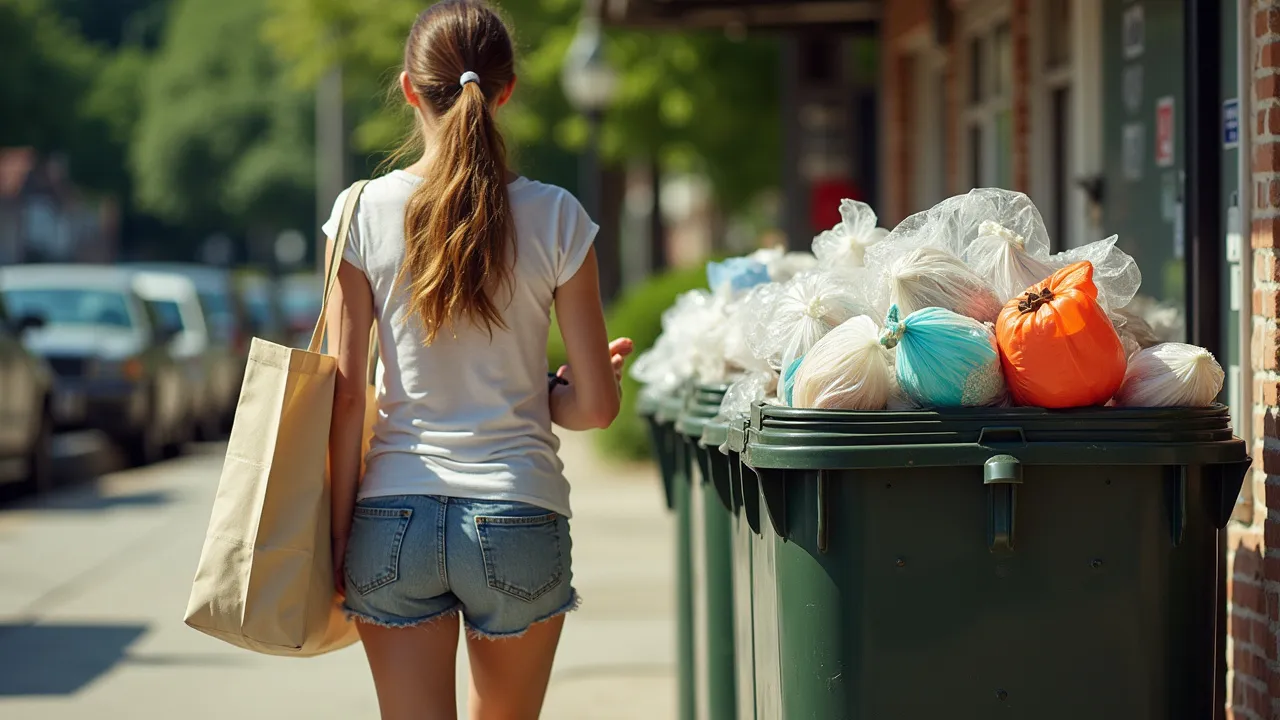
International Plastic Bag Free Day on July 3rd urges individuals and communities worldwide to refuse single-use plastic bags. This day promotes sustainable alternatives and raises awareness about the devastating environmental impact of plastic pollution.
History of International Plastic Bag Free Day
International Plastic Bag Free Day, observed annually on July 3rd, emerged from the growing global movement to combat plastic pollution. The day was first conceptualized in 2009 by Zero Waste Europe and the Global Alliance for Incinerator Alternatives (GAIA) as part of a broader campaign to reduce single-use plastics. The founding organizations recognized the urgent need to address the environmental harm caused by plastic bags, which choke marine life, clog ecosystems, and persist for centuries.
The Foundational Catalyst
The mid-2000s saw escalating evidence of plastic pollution in oceans and waterways. Documentaries like "The Story of Stuff" and growing scientific reports highlighted that over 1 trillion plastic bags are used worldwide each year, with most ending up in landfills or the environment. This spurred grassroots activism and policy proposals. In 2008, China banned free plastic bags, and by 2009, several countries—including Rwanda, South Africa, and parts of Italy—had implemented restrictions. Zero Waste Europe and GAIA leveraged this momentum to designate July 3rd as a day of collective action.
Legislative and Official Adoption
While not an official UN-recognized day, International Plastic Bag Free Day has been adopted by numerous environmental organizations, schools, and local governments. The European Union's 2015 Plastic Bag Directive, which aimed to reduce consumption by 80% by 2019, provided policy backing. In 2018, Earth Day Network joined the campaign, and by 2020, over 100 countries had some form of plastic bag ban or levy. The day serves as a focal point for advocacy, clean-ups, and pledges to go bag-free.
Modern Global Legacy
Today, International Plastic Bag Free Day is part of a broader zero-waste lifestyle trend. Millions participate by refusing plastic bags for 24 hours and sharing their actions on social media. The day has inspired long-term behavioral changes, with many cities and corporations adopting permanent plastic bag bans. The COVID-19 pandemic saw a temporary resurgence in plastic bag use due to hygiene concerns, but the day continues to push for sustainable alternatives like reusable cloth bags and compostable bioplastics.
How to Celebrate International Plastic Bag Free Day
International Plastic Bag Free Day is a call to action for individuals, communities, and organizations to eliminate single-use plastic bags for at least one day—and ideally forever. Below are actionable strategies grouped by setting.
For Individuals
- Refuse plastic bags at every store. Carry reusable bags—cotton, jute, or recycled PET—and keep them in your car, purse, or backpack.
- DIY alternatives: Make your own bags from old T-shirts or fabric scraps. Tutorials are widely available online.
- Spread awareness: Post a photo of your reusable bag on social media with #PlasticBagFreeDay and explain why you're participating.
- Track your impact: Use apps like Plastic Tracker to log the number of bags you avoid.
For Schools and Communities
- Organize a clean-up: Gather volunteers to collect plastic bags in local parks, rivers, or beaches. Weigh and display the results to show the scale of the problem.
- Host a film screening: Show documentaries like A Plastic Ocean or Bag It followed by a discussion on solutions.
- Create art: Build a sculpture from collected plastic bags to raise public awareness.
For Businesses and Organizations
- Implement a plastic bag ban in your workplace or store for the day. Offer customers free reusable bags or discounts for bringing their own.
- Educate employees with a lunch-and-learn session on the environmental impact of plastic bags.
- Partner with local NGOs to donate a portion of sales to ocean cleanup initiatives.
In different regions, traditions vary. In Indonesia, #PantangPlastik (No Plastic) campaigns encourage markets to use banana leaves instead of plastic. In India, many cities host plastic bag exchange programs where citizens swap a handful of plastic bags for a cloth bag. In the European Union, the day often aligns with the EU Plastics Strategy and features policy advocacy.
Global Impact of Single-Use Plastic Bags
The environmental toll of plastic bags is staggering. According to the United Nations Environment Programme (UNEP), up to 5 trillion plastic bags are used globally each year—that's nearly 10 million per minute. Only about 1% are recycled; the rest end up in landfills, oceans, or as litter. Here are key impacts:
Marine Life and Ecosystems
- Entanglement and ingestion: Sea turtles, whales, birds, and fish mistake plastic bags for food (e.g., jellyfish). Ingesting bags can block digestive tracts, leading to starvation. Entanglement in bags can drown marine mammals.
- Microplastics: Plastic bags break down into microplastics (<5mm) that enter the food chain and have been found in human blood, lungs, and placentas.
Economic Costs
- Cleanup expenses: Municipalities spend millions annually on removing plastic bag litter from streets and waterways.
- Tourism impact: Plastic-covered beaches deter tourists, reducing revenue in coastal communities.
Climate Change
Plastic bags are made from fossil fuels (typically polyethylene from natural gas or oil). Their production emits greenhouse gases; incineration releases toxic emissions. Reducing bag use directly cuts carbon footprint. A shift to reusable bags can save an estimated 1.5 kg of CO2 per person per year.
Legislative Actions and Bans Worldwide
Over 100 countries have enacted partial or full bans on plastic bags. Here is a snapshot of notable policies:
Pioneering Nations
- Bangladesh (2002): First country to ban thin plastic bags after they clogged drainage systems and caused floods.
- Rwanda (2008): Imposed one of the world's strictest bans, leading to a clean capital city of Kigali. Enforcement includes fines and imprisonment.
- Kenya (2017): Implemented the world's harshest penalty—up to $40,000 fine or 4 years in jail for producing or using plastic bags.
Regional Legislation
- European Union (2015): Directive 2015/720 required member states to reduce plastic bag consumption to 90 per person by 2019 and 40 by 2025.
- United States: No federal ban, but over 10 states (e.g., California, New York, Hawaii) and hundreds of municipalities have bans or fees.
- India (2022): Nationwide ban on single-use plastics, including bags with thickness under 120 microns.
These policies have proven effective: Ireland's plastic bag tax (2002) reduced use by 90% within weeks. However, enforcement challenges remain, especially in countries with informal waste sectors.
Alternatives to Plastic Bags: A Comparative Guide
Choosing the right alternative to plastic bags depends on intended use, lifecycle, and local recycling infrastructure. Below is a comparison of common options.
Cloth Bags (Cotton, Jute, Hemp)
- Pros: Durable, washable, often made from renewable materials.
- Cons: High carbon footprint in production (cotton requires water and pesticides). Need to be reused hundreds of times to offset impact.
- Best for: Grocery shopping, heavy items.
Recycled Polyester (rPET)
- Pros: Made from post-consumer plastic bottles, lightweight, strong.
- Cons: Shed microplastics when washed.
- Best for: Everyday carrying, gym bags.
Biodegradable/Bioplastic Bags
- Pros: Made from plant starches (corn, potato). Can break down in industrial compost facilities.
- Cons: Often need specific conditions to degrade; may not break in marine or landfill environments. Some are still petroleum-based.
- Best for: Composting bins, organic waste.
Paper Bags
- Pros: Renewable, biodegradable, recyclable.
- Cons: High water and energy footprint; weak when wet; low reuse potential.
- Best for: Light, dry items.
Ultimately, the most sustainable choice is to reuse any bag as many times as possible. A study by the Danish Environmental Protection Agency found that a cotton bag must be used 7,100 times to match the climate impact of a plastic bag used once. Thus, behavior change matters more than material choice.
Corporate and Social Responsibility Movements
Businesses play a crucial role in reducing plastic bag usage. Many have adopted voluntary measures or joined global initiatives.
Retailer Initiatives
- IKEA: Phased out single-use plastic bags globally in 2020, offering reusable "Big Blue Bags" and charging for paper bags.
- Walmart: Plastic bag recycling programs and a goal to achieve zero waste in operations.
- Carrefour: In France, replaced plastic bags with 100% recycled paper bags and offers a "bag-free" checkout option.
Global Campaigns
- Break Free From Plastic: A movement of over 11,000 organizations demanding corporate accountability and systemic change.
- Plastic Pollution Coalition: Works with businesses to reduce plastic footprints and promote reusable alternatives.
Zero Waste Stores
A growing number of package-free or zero-waste stores encourage customers to bring their own containers and bags. These shops often sell bulk goods and household items without plastic packaging. Examples include Original Unverpackt (Berlin), The Fillery (Brooklyn), and Wasteless (Singapore).
Frequently Asked Questions About Plastic Bag Bans
Below are answers to common questions about plastic bag bans and the day itself, compiled to inform and debunk myths.
Do plastic bag bans really help the environment?
Yes. Studies from California and England show that bans reduce plastic bag litter by 30-50% in waterways and streets. They also encourage behavior change, leading to broader adoption of reusable alternatives.
What about paper bags—are they better?
Paper bags have higher carbon footprint and water usage than plastic. However, they are biodegradable and recyclable. The best option is to carry a reusable bag you already own.
Are biodegradable bags a good solution?
Only if composted in industrial facilities. In landfills or oceans, they may not degrade properly and can still harm wildlife. They are not a perfect replacement.
Why do some places still allow plastic bags?
Lobbying by petrochemical industries, concerns over costs for low-income households, and lack of enforcement capacity often delay bans. Additionally, some argue that paper/ cloth bags have higher environmental impacts if not reused enough.
How can I participate if I don't have a reusable bag?
You can use a backpack, a cardboard box, or simply carry items in your hands. Many stores offer reusable bags for purchase at low cost.
Historical Timeline
Ireland introduces a plastic bag tax (PlasTax), reducing usage by over 90% within weeks. The tax inspires similar policies worldwide and demonstrates the effectiveness of economic incentives.
Rwanda bans plastic bags entirely, becoming one of the first countries to do so. The ban is strictly enforced and contributes to Kigali's reputation as the cleanest city in Africa.
Zero Waste Europe and GAIA launch the first International Plastic Bag Free Day on July 3rd, mobilizing citizens and organizations to go bag-free for 24 hours.
Italy becomes the first EU country to ban non-biodegradable plastic bags, setting a precedent for subsequent EU directives.
California passes the first statewide plastic bag ban in the U.S., later upheld by referendum in 2016. The law prohibits single-use bags and charges 10 cents for paper bags.
The European Union adopts Directive 2015/720, requiring member states to reduce lightweight plastic bag consumption to 90 per person by 2019 and 40 by 2025.
Kenya enacts the world's harshest plastic bag ban—offenders face fines up to $40,000 or up to 4 years in prison. The ban leads to a visible reduction in litter.
India bans single-use plastics, including bags under 120 microns, on July 1, just days before International Plastic Bag Free Day. The ban is part of a broader national commitment to phase out plastics.
Global participation in International Plastic Bag Free Day reaches record levels, with over 50 countries organizing events. Social media campaigns using #PlasticBagFreeDay trend for 48 hours.