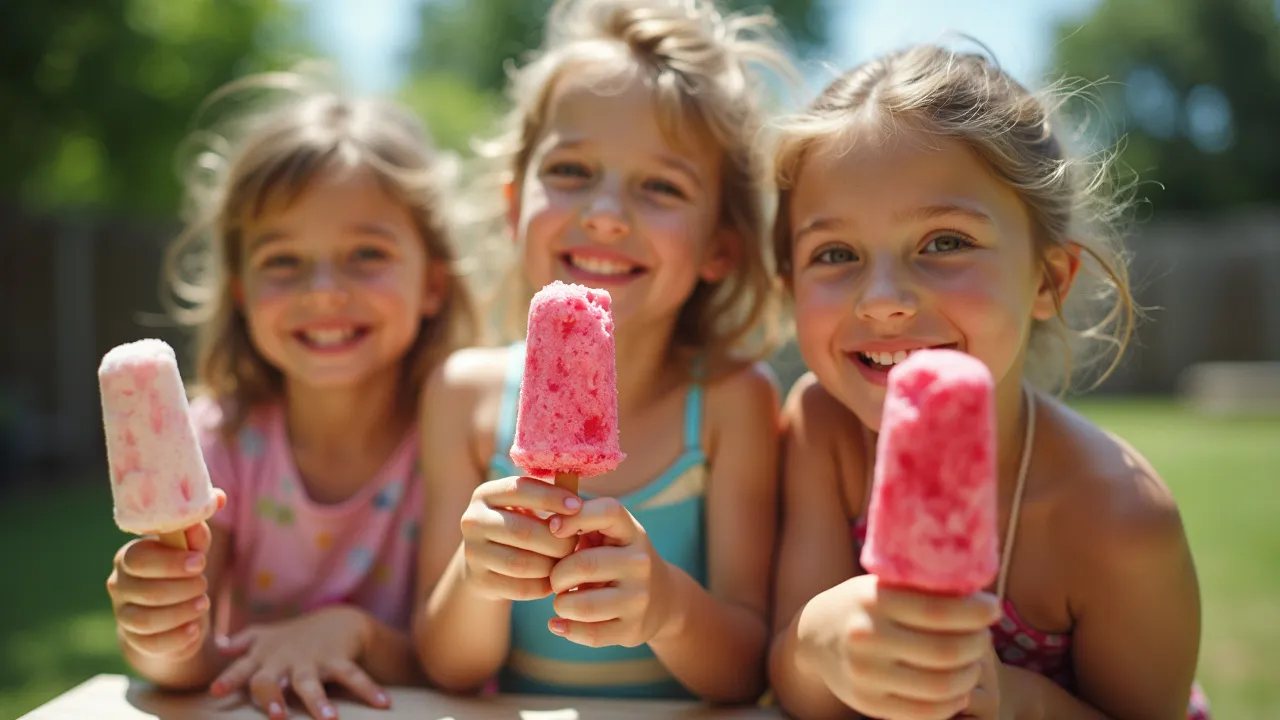
National Freezer Pop Day, observed on July 8th, celebrates the beloved frozen treat that brings back childhood memories. It's a day to enjoy these icy, flavored tubes and explore their history and cultural impact.
The Historical Origins & Evolutionary Journey
National Freezer Pop Day, celebrated on July 8th, honors a simple yet iconic frozen confection that has delighted generations. The history of freezer pops begins long before the plastic tubes we know today.
The Foundational Catalyst
The concept of frozen juice on a stick dates back to 1905 when 11-year-old Frank Epperson accidentally left a mixture of soda powder and water with a stirring stick outside on a cold night. He later patented the 'Epsicle' in 1923, which eventually became the Popsicle. However, the modern freezer pop—a liquid-filled plastic tube that freezes into a slushy or solid treat—emerged in the mid-20th century.
In the 1950s and 1960s, companies began producing freeze pops in flexible plastic sleeves. Early brands like Fla-Vor-Ice (introduced in the 1970s) and Otter Pops (launched in 1971) revolutionized the market by offering a low-cost, portable frozen treat. These were initially sold as liquid tubes that consumers froze at home, perfect for hot summers.
The Legislative/Official Adoption
While National Freezer Pop Day is not an officially legislated holiday, it emerged from popular culture and marketing efforts. The observance is widely recognized in the United States on July 8th, likely chosen to coincide with peak summer heat. Social media and internet celebrations helped solidify the date, with frozen treat brands promoting it as a fun, nostalgic event.
Modern Global Legacy
Today, freezer pops are a global phenomenon. In Mexico, they are called 'paletas de agua' (water popsicles) and often made with fresh fruit. In Japan, 'kakigori' is a shaved ice treat, but plastic tube versions are also popular. The legacy of freezer pops includes not only a beloved snack but also a symbol of childhood summers, community events, and even scientific curiosity about freezing points.
How to Celebrate National Freezer Pop Day
Celebrating National Freezer Pop Day is all about enjoying these icy treats and sharing the experience. Here is the ultimate guide to making the most of July 8th.
Individual Celebration Ideas
- Stock up: Buy a variety of freezer pops from your local grocery store. Try classic flavors like cherry, grape, and blue raspberry, or explore premium brands.
- DIY freezer pops: Make your own using fruit juice, pureed fruits, or yogurt. Fill reusable silicone molds or plastic tubes. Experiment with layering colors or adding chunks of fruit.
- Host a tasting party: Gather friends and family to sample different brands and flavors. Rate them on sweetness, texture, and nostalgia factor.
School and Community Activities
- Classroom science experiment: Explore freezing points by making freezer pops with different sugar concentrations. Observe how sugar affects freezing time and texture.
- Summer camp treat: Hand out freezer pops to campers during outdoor activities. Use them as a cool-down reward.
- Neighborhood pop-up: Set up a free freezer pop stand in your front yard. Encourage neighbors to grab one and chat.
Corporate and Organizational Rituals
Businesses can celebrate by offering freezer pops to employees or customers. Put a cooler in the breakroom or provide them at outdoor events. Some companies even create custom-flavored pops for brand promotion.
Global Celebration Variations
In different countries, the tradition varies. In Mexico, paletas de agua are often made with real fruit and sold from street carts. In Thailand, ice pops made from coconut milk and tropical fruits are popular. In the United States, many people associate freezer pops with Little League games and backyard barbecues. Embrace local flavors and methods to honor the global diversity of this treat.
The Science of Freezer Pops
Understanding the science behind freezer pops can enhance your appreciation. The process of freezing a liquid into a semi-solid slushy involves chemistry and physics.
Freezing Point Depression
Water freezes at 32°F (0°C), but when you add sugar, salt, or other solutes, the freezing point drops. This is why freezer pops often remain slushy rather than solid. Commercial pops use corn syrup or high-fructose corn syrup to achieve the perfect texture. The ratio of sugar to water determines whether the pop is icy or creamy.
Heat Transfer and Evaporation
When you place a liquid-filled tube in a freezer, heat transfers from the liquid to the surrounding air. The plastic tube acts as a barrier, slowing heat loss. Some DIY recipes recommend using thinner plastic for faster freezing. Also, wrapping pops in a damp cloth can speed up freezing due to evaporative cooling.
Flavor Release
Cold temperatures dull our taste buds, so freezer pops are often extra sweet and tart. The flavor molecules are frozen but become more volatile as the pop melts in your mouth. This is why the first bite is often more intense than the last.
Global Variations and Regional Flavors
Freezer pops have adapted to local tastes worldwide. From tropical fruits to creamy custards, the variety is astonishing.
United States
Classic flavors include cherry, grape, blue raspberry, and lemon-lime. Brands like Fla-Vor-Ice and Otter Pops dominate the market. Limited edition flavors often appear seasonally.
Mexico
Paletas de agua (water-based) are made with real fruit chunks, chili powder, or tamarind. Paletas de leche (milk-based) are creamy and rich, often flavored with vanilla, coconut, or chocolate.
Asia
In Japan, ice pops often feature flavors like matcha, red bean, or lychee. In the Philippines, ice candy is made by freezing fruit juice or chocolate milk in plastic straws. In Thailand, tub tim krob (water chestnut in coconut milk) is frozen into pops.
Europe
In Italy, granita is a semi-frozen dessert, but plastic tube versions are less common. In the UK, ice lollies (like Mr. Freeze) are popular among children.
Economic Impact of the Frozen Treat Industry
The frozen treat market, including freezer pops, is a multi-billion-dollar industry. In the United States alone, the frozen novelties market was valued at over $8 billion in 2023, with freezer pops representing a significant segment.
Production and Supply Chain
Freezer pops are relatively inexpensive to produce. The main costs involve plastic packaging, flavorings, and sugar. Manufacturing requires freezing tunnels or blast freezers. Many brands outsource production to co-packers to keep costs low.
Retail and Seasonal Sales
Sales spike during summer months, especially around July 4th and National Freezer Pop Day. Grocery stores often place them in prominent display coolers near checkouts. Discount retailers like Walmart and Dollar General sell private-label versions in bulk.
Brand Competition and Marketing
Major brands compete on flavor variety, nostalgia, and health claims. Some now offer organic or low-sugar options. Social media campaigns encourage sharing photos with hashtags like #FreezerPopDay.
Healthier Alternatives and Nutritional Considerations
Traditional freezer pops are high in sugar and artificial colors, but healthier alternatives are gaining traction.
Nutritional Profile
A typical 2-ounce freezer pop contains about 40-60 calories and 10-15 grams of sugar, often from high-fructose corn syrup. They are generally free of fat and protein. Some brands add fruit juice concentrate to boost vitamin C content.
DIY Healthy Recipes
- Fruit juice pops: Use 100% fruit juice without added sugar. Add chia seeds for fiber.
- Yogurt pops: Blend Greek yogurt with honey and berries for a creamy, protein-rich treat.
- Vegetable pops: Combine cucumber, spinach, and apple juice for a refreshing green pop.
Allergen Information
Most commercial freezer pops are gluten-free, dairy-free, and nut-free, but always check labels. Some may contain corn syrup, which is a concern for corn allergies.
Environmental Impact and Sustainable Packaging
Single-use plastic tubes pose environmental challenges. Each year, billions of freezer pop wrappers end up in landfills. However, efforts are underway to reduce waste.
Recycling Challenges
The plastic used for freezer pops is often low-density polyethylene (LDPE), which is recyclable in some facilities but not in most curbside programs. The small size also makes them difficult to sort in recycling centers.
Innovative Solutions
- Compostable wrappers: Some companies are testing plant-based films that break down in industrial composters.
- Reusable molds: Silicone and hard plastic molds allow consumers to make their own pops without waste.
- Bulk dispensing: Some stores offer liquid freezer pop concentrate that customers freeze in reusable molds.
Consumer Actions
Choose brands with recyclable packaging or buy in bulk to reduce per-unit waste. Alternatively, go completely waste-free by making pops at home.
Historical Timeline
Frank Epperson accidentally invents the first 'Epsicle' (later Popsicle) by leaving a mixture of soda and water with a stick outside overnight.
Frank Epperson patents the 'Epsicle' and later renames it to 'Popsicle'.
Otter Pops brand launches in the United States, introducing plastic tube freezer pops with vibrant flavors.
Fla-Vor-Ice is introduced, becoming a leading brand of freeze pops sold in bulk packages.
National Freezer Pop Day begins to be informally observed on July 8th, promoted through social media and brand marketing.
The frozen novelties market exceeds $8 billion in the US, with freezer pops remaining a top-selling summer treat.