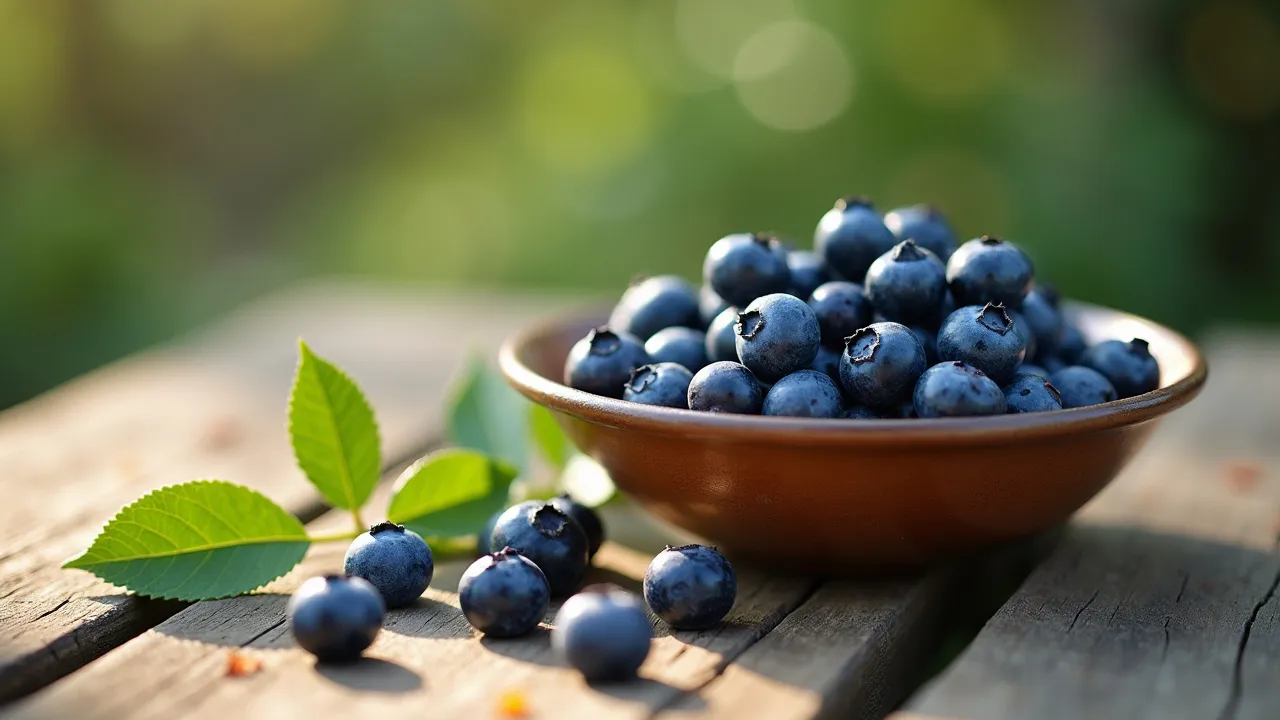
National Blueberry Day, observed on July 8th, celebrates the health benefits and culinary versatility of blueberries. From U-pick farms to baked goods, this day honors America's favorite berry.
The Historical Origins & Evolutionary Journey
National Blueberry Day, observed annually on July 8th, traces its roots to the collaborative efforts of the U.S. Department of Agriculture (USDA) and blueberry industry organizations in the late 20th century. The day was established to promote the consumption of blueberries at the peak of their growing season and to honor the fruit's storied history in North America.
The Foundational Catalyst
Blueberries are native to North America, with Native American tribes using them for food, medicine, and dye long before European settlers arrived. The modern blueberry industry began in the early 20th century thanks to the pioneering work of botanist Frederick Coville and the collaboration of Elizabeth White, a cranberry farmer's daughter, who developed the first commercial blueberry cultivars. In 1911, Coville published the seminal bulletin 'Blueberry Culture,' which laid the groundwork for large-scale cultivation. By the 1990s, blueberries had become a multi-billion-dollar crop, and industry leaders sought a dedicated day to celebrate their success.
The Legislative/Official Adoption
In 1999, the USDA officially recognized July 8th as National Blueberry Day, spearheaded by the North American Blueberry Council. The date was chosen to coincide with the peak of the blueberry harvest in most U.S. states. The proclamation aimed to highlight the nutritional benefits, economic impact, and culinary versatility of blueberries.
Modern Global Legacy
Today, National Blueberry Day is celebrated across the United States, Canada, and other blueberry-producing nations. The day has grown beyond a simple marketing campaign into a cultural tradition featuring festivals, charity events, and educational programs about healthy eating. Blueberry consumption has skyrocketed, with the fruit now ranked as a superfood in global health discourse.
Key historical milestones include:
- 1911 – Frederick Coville's pivotal research on blueberry cultivation.
- 1916 – First commercial blueberry crop sold in Whitesbog, New Jersey.
- 1966 – Blueberries declared a state fruit of New Jersey.
- 1999 – Official recognition of National Blueberry Day.
- 2010s – Blueberries become a staple in global markets, with Peru and Chile emerging as major producers.
How to Celebrate National Blueberry Day
National Blueberry Day offers countless opportunities to enjoy and honor this tiny superfruit. Whether you are an individual, a family, or an organization, here are actionable ways to celebrate:
For Individuals and Families
- Visit a U-Pick Farm: Spend the day at a local blueberry farm to pick your own berries. This supports local agriculture and provides a fun outdoor activity.
- Bake Blueberry Treats: Prepare classic recipes like blueberry muffins, pancakes, or pie. Try a healthier option like blueberry chia pudding.
- Host a Blueberry-Themed Meal: Create a full menu featuring blueberries—from a breakfast smoothie to a grilled chicken salad with blueberry vinaigrette and a blueberry cobbler for dessert.
- Donate Blueberries: Purchase extra fresh or frozen blueberries to donate to local food banks or community kitchens.
For Schools and Educational Institutions
- Blueberry Science Lesson: Teach students about the nutritional benefits of blueberries, their antioxidant properties, and the history of cultivation.
- Blueberry Art Project: Use blueberry juice as natural paint for art activities, exploring the fruit's deep blue pigment.
- Grow a Blueberry Bush: Start a small garden project where students learn to cultivate their own blueberry plants, emphasizing sustainability.
For Organizations and Businesses
- Blueberry-Infused Menu Items: Restaurants can feature special blueberry dishes, cocktails, or desserts.
- Employee Wellness Event: Provide fresh blueberries as a snack and share information about the health benefits.
- Social Media Campaign: Use hashtags like #NationalBlueberryDay to engage customers and share recipes or fun facts.
When celebrating across different cultures, note that in Canada, the day is often tied to Canada Day (July 1) celebrations, while in Europe, where blueberries are less native, the day focuses on importing and enjoying high-quality blueberries from North America. In Peru, the day is used to highlight the country's booming blueberry export industry.
Health Benefits of Blueberries
Blueberries are widely recognized as a superfood, packed with nutrients and antioxidants that promote overall health. The primary active compound, anthocyanin, gives blueberries their deep blue color and acts as a potent anti-inflammatory and antioxidant.
Nutritional Profile
- Vitamins: Rich in Vitamin C (24% DV per cup), Vitamin K (36% DV), and Vitamin E.
- Minerals: Contains manganese (25% DV), copper, and potassium.
- Fiber: 3.6 grams of dietary fiber per cup, aiding digestion.
Key Health Benefits
- Brain Health: Regular consumption improves memory and slows cognitive decline. Studies, including the Nurses' Health Study, show that blueberries delay brain aging by up to 2.5 years.
- Heart Health: Anthocyanins reduce blood pressure and improve cholesterol profiles, lowering the risk of heart attacks.
- Blood Sugar Regulation: Despite their sweetness, blueberries have a low glycemic index (53) and improve insulin sensitivity in type 2 diabetics.
- Cancer Prevention: Antioxidants in blueberries may inhibit tumor growth, particularly in colon and breast cancers, according to laboratory studies.
The recommended serving is one cup (148 grams) of fresh or frozen blueberries per day. They are versatile and can be added to yogurt, oatmeal, salads, or eaten raw.
The Blueberry Industry and Economy
The blueberry industry is a multi-billion-dollar global market, with production expanding rapidly in recent decades. North America remains the largest producer, but South America, Europe, and Asia are catching up.
Major Producing Regions
- United States: Leading states include Maine, Michigan, New Jersey, Oregon, and Georgia. Maine alone produces 99% of the nation's wild blueberries.
- Canada: British Columbia and Quebec are top producers, with wild blueberries thriving in the Maritime provinces.
- Peru: A newcomer but now the largest exporter of fresh blueberries to the Northern Hemisphere during winter months.
- Chile: A major supplier of off-season blueberries to North America and Europe.
Economic Impact
In the U.S., the blueberry industry generates over $4.5 billion annually, supporting thousands of jobs in farming, processing, and distribution. The USDA reports that per capita consumption of blueberries has tripled since 2000, reaching over 2.5 pounds per person per year. The global market is projected to exceed $10 billion by 2027, driven by demand for functional foods and plant-based diets.
Challenges
Climate change poses risks: warmer winters reduce necessary chill hours for many cultivars, and unpredictable frosts damage blossoms. Labor shortages also affect harvests. However, innovations in protected cultivation (e.g., high tunnels) and breeding programs are helping mitigate these issues.
Blueberry Varieties and Growing Regions
Blueberries are not a single species but a group of related shrubs in the genus Vaccinium. The most common cultivated types are highbush blueberries (V. corymbosum), with wild blueberries (V. angustifolium) harvested in Maine and Canada.
Major Varieties
- Northern Highbush: Hardy to USDA zones 4-7, includes varieties like 'Bluecrop' and 'Duke'.
- Southern Highbush: Adapted to warmer climates (zones 7-10), early-ripening varieties like 'Emerald' and 'Misty'.
- Rabbiteye: Grown in the Southeast U.S., extremely heat-tolerant, varieties like 'Tifblue' and 'Climax'.
- Lowbush (Wild): Ground-covering shrubs in Maine and Canada, smaller but more intensely flavored.
Growing Conditions
Blueberries require acidic soil (pH 4.5-5.5), full sun, and consistent moisture. They are typically grown in raised beds with peat moss or sulfur amendments. Cross-pollination between varieties improves yield. Home gardeners can plant multiple varieties to extend the harvest season from June through August.
The growing regions span from the cold climates of Canada to the subtropical areas of Peru, demonstrating the fruit's remarkable adaptability. Advances in breeding have produced evergreens and low-chill varieties, allowing blueberries to be grown in regions previously unsuitable.
Blueberry in Popular Culture and Cuisine
Blueberries have permeated popular culture, from literature to film, and are a staple in cuisines worldwide. In the United States, the blueberry muffin is an iconic breakfast item, often associated with morning commutes and coffee shop culture.
Blueberries in Media
- Children's Books: Robert McCloskey's Blueberries for Sal (1948) is a classic story about a girl and a bear cub picking blueberries, teaching themes of patience and sharing.
- Music: The song 'Blueberry Hill' by Fats Domino (1956) became a rock and roll standard, immortalizing the fruit in lyrics.
- Film: In the 2008 movie WALL-E, a blueberry plant is a symbol of hope and renewal.
Culinary Uses
Blueberries shine in both sweet and savory dishes. Beyond pies and jams, they are used in:
- Salads: Paired with goat cheese, walnuts, and balsamic vinaigrette.
- Salsas and Chutneys: A tangy accompaniment to grilled meats or fish.
- Beverages: Blueberry lemonade, smoothies, and craft beers (e.g., blueberry ales).
- Preserves: Blueberry syrup, compote, and infused honey.
In European cuisine, blueberries are often used in desserts like clafoutis (France), kielf (Germany), and as a topping for kefir or yogurt in Scandinavia. In Japan, blueberry matcha lattes are a trendy café offering.
National Blueberry Day encourages chefs and home cooks to experiment with the fruit, celebrating its versatility and global appeal.
Historical Timeline
USDA botanist Frederick Coville publishes 'Blueberry Culture,' a groundbreaking guide that leads to modern blueberry farming techniques.
First commercial blueberry crop sold in Whitesbog, New Jersey, marking the birth of the blueberry industry.
Publication of Robert McCloskey's 'Blueberries for Sal,' which becomes a beloved children's classic and boosts blueberry's cultural significance.
Fats Domino releases 'Blueberry Hill,' a hit song that cements the fruit in popular music history.
New Jersey designates the blueberry as the official state fruit, the first such declaration in the U.S.
U.S. Department of Agriculture officially recognizes July 8th as National Blueberry Day, thanks to efforts by the North American Blueberry Council.
The American Heart Association endorses blueberries for heart health, sparking a surge in consumption.
Peru's blueberry exports begin rapid growth; by 2020, Peru becomes the world's largest exporter of fresh blueberries.
Global blueberry market exceeds $4 billion annually; consumption in the U.S. reaches 2.5 pounds per capita.