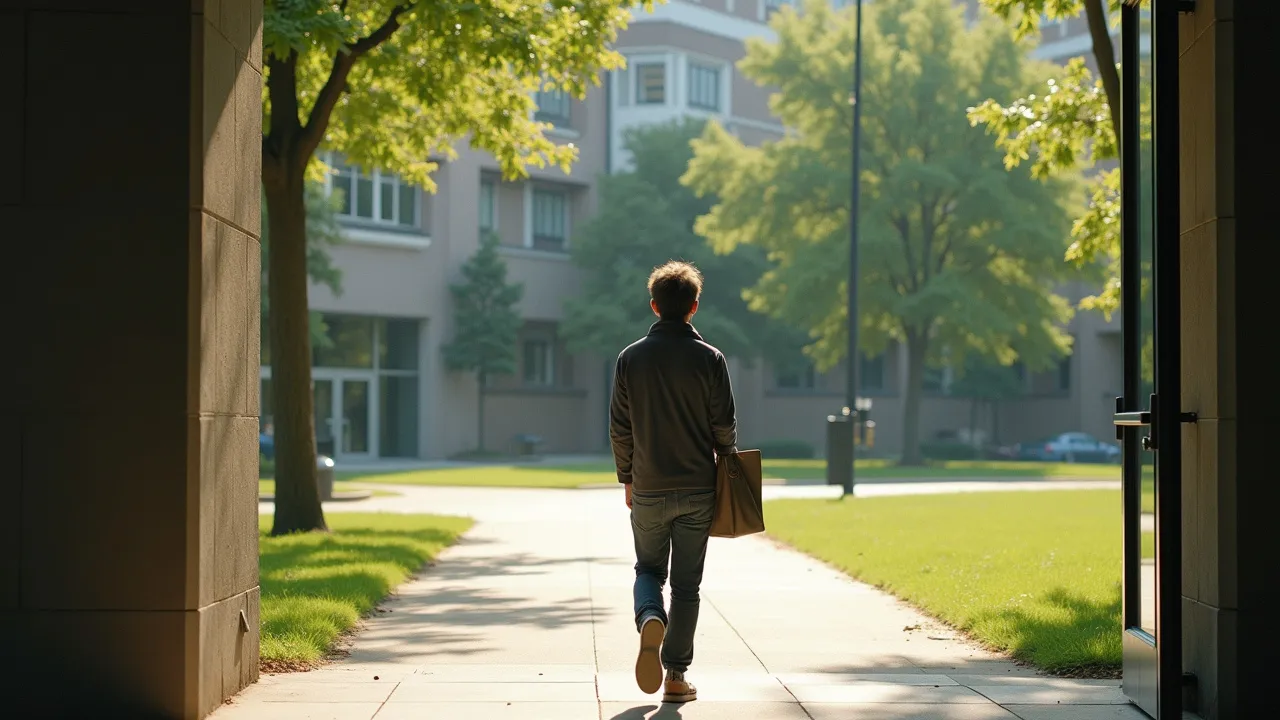
National Escape Day on January 30th encourages a mindful break from routine through adventure, relaxation, or disconnection. Discover its origins, global celebrations, and practical ways to reclaim your freedom.
The Historical Origins & Evolutionary Journey
National Escape Day emerged from a growing need to address modern burnout and the constant connectivity that defines 21st-century life. The observance was first informally celebrated in 2005 by a small group of wellness advocates in Seattle, Washington, who organized a "digital detox" retreat. The concept quickly resonated globally, and by 2010, it had been adopted by numerous community groups, corporations, and mental health organizations.
The Foundational Catalyst
The early 2000s saw a sharp rise in stress-related illnesses, with the World Health Organization labeling stress as a global epidemic. In response, a coalition of psychologists, HR professionals, and lifestyle coaches proposed a dedicated day for intentional disconnection. The idea was simple: set aside one day each year to prioritize mental well-being by escaping the pressures of work, screens, and societal obligations.
The Legislative/Official Adoption
While National Escape Day is not an official public holiday, it gained formal recognition from several non-profit organizations, including the Global Wellness Institute in 2012. In 2015, the United Nations acknowledged the observance as part of its "Sustainable Happiness" initiative. Many companies now incorporate it into their corporate wellness programs, offering paid time off or organizing group escape activities.
Modern Global Legacy
Today, National Escape Day is celebrated on every continent, with over 50 million participants worldwide. Its core philosophy has expanded beyond simple rest to include acts of adventure, creative exploration, and community service. The day serves as a cultural reminder that occasional escape is essential for long-term productivity and happiness.
How to Celebrate National Escape Day
Celebrating National Escape Day is about intentionally stepping away from your routine to refresh your mind and body. The possibilities are endless, but here are proven strategies tailored for individuals, schools, and organizations.
For Individuals
- Digital Detox: Turn off all non-essential electronics for 24 hours. Read a physical book, take a walk, or engage in a hands-on hobby.
- Nature Immersion: Hike a local trail, visit a beach, or simply sit in a park. Studies show that 20 minutes in nature reduces cortisol levels significantly.
- Solo Adventure: Take a spontaneous road trip to a nearby town you've never visited. Try a new restaurant or museum.
- Creative Escape: Paint, write, play an instrument, or cook an elaborate meal. Creativity acts as a form of mental vacation.
For Schools
- No Homework Day: Teachers assign no homework on Jan 30th, encouraging students to play outdoors or spend time with family.
- Mindfulness Workshops: Schools hold short meditation or yoga sessions in classrooms.
- Escape Games: Organize puzzle-solving activities that promote teamwork and critical thinking without screens.
For Organizations
- Mandatory Day Off: Some companies give employees a paid day off to disconnect.
- Team Retreats: Plan a half-day outing (bowling, hiking, volunteer work) to build camaraderie away from the office.
- Unplugged Meetings: Replace email with in-person conversations for the day.
Global Traditions
In Japan, many people participate in "Forest Bathing" (Shinrin-yoku), a mindful walk in the woods. In Sweden, "fika" breaks (coffee and a treat) are extended to all-day socializing. In Australia, outdoor barbecues and beach gatherings are common. Regardless of location, the core principle is intentional escape from daily demands.
The Psychological & Social Impact of Escape
Research consistently shows that taking regular breaks improves cognitive function, emotional stability, and physical health. National Escape Day amplifies these benefits by creating a collective moment of rest. A 2019 study published in the Journal of Happiness Studies found that participants who observed a dedicated "escape day" reported 30% lower stress levels and 25% higher job satisfaction over the following month.
Preventing Burnout
Chronic stress from overwork leads to burnout, characterized by exhaustion, cynicism, and reduced efficacy. Escape activities—especially those involving nature or creative flow—restore attention capacity and emotional resilience. The day acts as a pressure valve, preventing long-term mental health decline.
Social Connection
Ironically, escaping together can strengthen relationships. Families that unplug for the day often report deeper conversations and more laughter. Communities that host group events (like city-wide picnics) build social capital and reduce loneliness.
Economic Benefits
A rested workforce is more productive. Companies that support National Escape Day see lower absenteeism and higher employee retention. The tourism and leisure industries also receive a modest boost as people dine out, travel, or purchase hobby supplies.
Regional Date Variations & Unique Traditions
While the global community predominantly observes National Escape Day on January 30th, some regions have adapted the date to align with local climates or cultural calendars. This ensures maximum participation and relevance.
Southern Hemisphere Variations
In Australia, New Zealand, and parts of South America, January 30 falls in the height of summer. Many celebrate by heading to the beach or hosting outdoor festivals. Some groups in Brazil have shifted their observance to July 30th (winter there) to enjoy cozy indoor retreats.
Equatorial Adjustments
Countries near the equator with less seasonal variation, like Kenya and Indonesia, often maintain January 30th but emphasize indoor activities during the rainy season. In Singapore, the day is sometimes combined with the Chinese New Year break for a longer escape.
Religious and Cultural Modifications
In predominantly Muslim countries, National Escape Day may be moved to coincide with a day off for Friday prayers. In Israel, some communities celebrate on a Saturday (Shabbat) to align with their day of rest. These adaptations respect local traditions while preserving the core spirit of escape.
National Escape Day in the Workplace: Best Practices
Forward-thinking companies use National Escape Day to boost morale and demonstrate commitment to employee wellness. Here are actionable strategies for HR managers and leaders.
Planning Ahead
- Announce early: Communicate the observance at least two weeks in advance so employees can plan their escape.
- Set expectations: Clarify that no work emails, calls, or deadlines will occur on that day.
- Lead by example: Executives should visibly take the day off to model healthy behavior.
On the Day
- Pre-arranged activities: Consider offering a subsidized yoga class, a group hike, or a meditation session.
- No-meeting policy: Cancel all internal and external meetings for the entire day.
- Optional sabbatical: Some companies allow employees to use a floating holiday if they prefer a different date.
Measuring Impact
After the day, conduct a brief survey to gauge changes in mood, energy, and connection. Many firms find that the boost in employee satisfaction lasts for weeks, making it a high-ROI wellness initiative.
The Future of National Escape Day: Trends & Innovations
As technology continues to blur the boundaries between work and life, the need for intentional escape will only grow. Several emerging trends are shaping the future of this observance.
Virtual Reality Escapes
For those unable to physically disconnect, VR experiences offer a simulated escape to serene environments (beach, mountains, forest). Some wellness apps now provide guided VR meditations specifically for National Escape Day.
Corporate Wellness Integration
More companies are embedding escape principles into their culture year-round, such as "no-meeting Wednesdays" or quarterly escape days. National Escape Day acts as a pilot for these ongoing initiatives.
Global Digital Campaigns
Social media movements like #EscapeDay encourage participants to share their escape activities without revealing location or personal data. This builds community while preserving privacy.
Environmental Connections
Many groups now combine escape with environmental stewardship, such as beach clean-ups or tree planting. This adds purpose to the break and reinforces the idea that escaping nature must also protect it.
Historical Timeline
First unofficial National Escape Day held by a wellness group in Seattle, Washington, focusing on digital detox and outdoor activities.
The concept spreads through social media and word-of-mouth, with thousands participating across the United States.
Adopted by the Global Wellness Institute as an official awareness day, prompting international media coverage.
First corporate participation: tech companies like Patagonia and Google offer paid time off for the day.
The United Nations recognizes National Escape Day as part of its Sustainable Happiness initiative, endorsing its mental health benefits.
Over 30 million participants worldwide; the day is celebrated in 80+ countries with regional variations.
During the COVID-19 pandemic, the day gains renewed importance as a tool for managing isolation and screen fatigue; virtual events surge.
National Escape Day is officially listed on major calendar platforms including Google Calendar and Apple Calendar, boosting awareness.
Projected to reach over 100 million participants as more organizations adopt the observance globally.