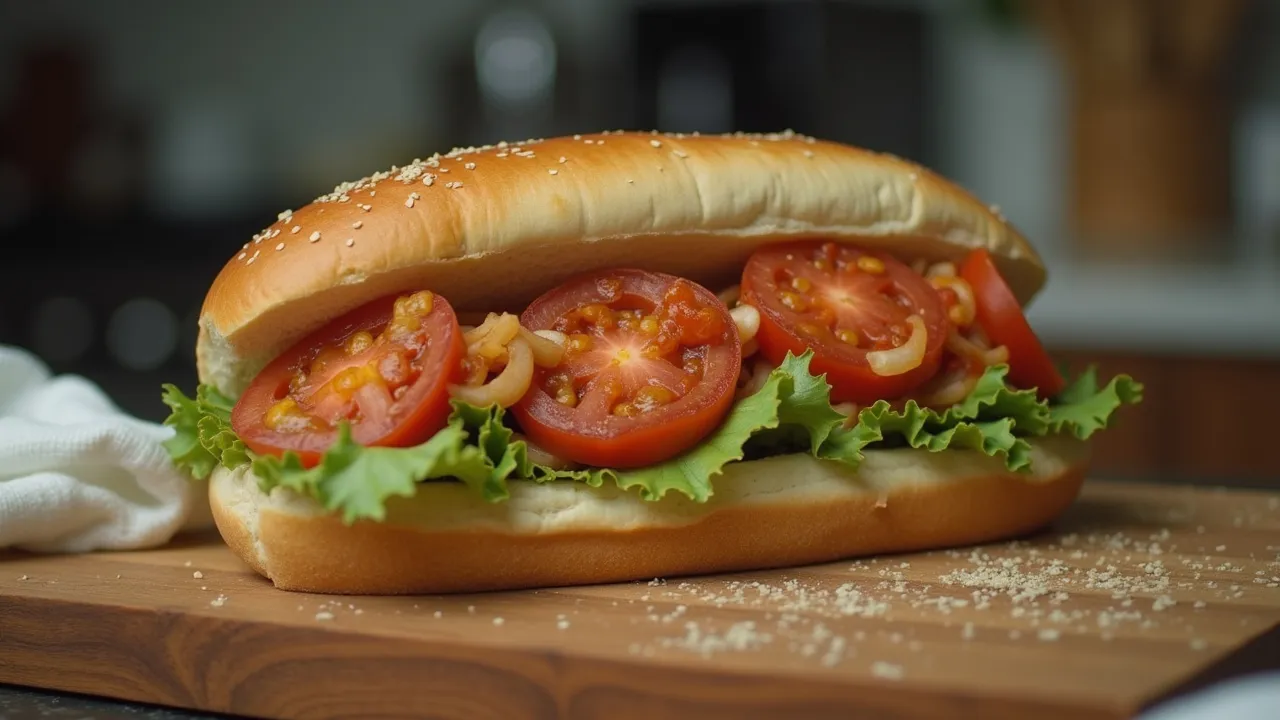
National Eat a Hoagie Day on September 14th celebrates the iconic Italian-American sandwich packed with meats, cheeses, and veggies. Discover its Philadelphia roots, regional variations, and how to savor this deli classic.
The Historical Origins & Evolutionary Journey
National Eat a Hoagie Day, observed annually on September 14th, honors one of America's most beloved sandwiches: the hoagie. This Italian-American creation has a rich history intertwined with Philadelphia's immigrant communities and working-class culture. Understanding its origins requires a deep dive into the early 20th century.
The Foundational Catalyst
The hoagie's story begins in the early 1900s among Italian immigrants in South Philadelphia. These skilled bakers and butchers crafted long, crusty bread rolls filled with cured meats, cheeses, and vegetables. One popular origin tale involves workers at Hog Island, a shipyard during World War I. Local vendors brought large sandwiches to the workers, calling them "hoggies" which later evolved into "hoagies." Another claim credits Antonio "Tony" Strollo, a deli owner in nearby Clifton Heights, who supposedly named the sandwich after his customers' habit of "hoggie-ing" (devouring) it. Regardless, the hoagie quickly became a staple in Philadelphia's Italian market districts.
The Legislative/Official Adoption
While no official proclamation exists, the observance of National Eat a Hoagie Day gained traction through food enthusiasts and delis across the country. The day is not a federally recognized holiday but has been embraced by sandwich shops, culinary schools, and local chambers of commerce. In 2014, the governor of Pennsylvania, Tom Corbett, declared September 14th as "Hoagie Day" in the state, recognizing the sandwich's cultural significance. This official nod cemented the day's place in food calendars.
Modern Global Legacy
Today, the hoagie has transcended its Philadelphia origins, spawning countless variations worldwide. In the United States alone, it is known as a sub in the Northeast, a hero in New York, a grinder in New England, and a wedge in parts of the South. Internationally, similar sandwiches exist, such as the French baguette sandwich or the Italian panino. National Eat a Hoagie Day serves as a reminder of the sandwich's humble beginnings and its evolution into a global comfort food.
How to Celebrate National Eat a Hoagie Day
Whether you are a lifelong hoagie aficionado or a curious newcomer, September 14th offers a perfect opportunity to indulge. Celebrations can range from simple at-home preparations to community events. Here is a definitive guide to celebrating authentically.
Individual Celebration Tips
- Visit a local deli: Seek out an authentic Italian deli or sandwich shop that uses freshly baked bread and high-quality meats. Support small businesses by ordering a traditional Italian hoagie with capicola, salami, provolone, lettuce, tomato, onion, and a drizzle of oil and vinegar.
- Make your own: Assemble a hoagie at home using a crusty Italian roll, your choice of cold cuts (e.g., ham, turkey, roast beef), cheese (provolone or mozzarella), and fresh toppings. Experiment with regional variations like a Philly cheesesteak hoagie or a meatball sub.
- Host a hoagie tasting party: Invite friends and family to sample different hoagies from various shops or homemade versions. Vote on the best combination and share recipes.
Community and School Activities
- School fundraisers: Organize a hoagie sale to raise funds for a class trip or local charity. Many delis offer bulk discounts, or students can assemble and sell their own pre-ordered sandwiches.
- Cooking classes: Culinary schools and community centers can host workshops on bread baking, meat slicing, and sandwich assembly. Teach participants the importance of ingredient quality and layering techniques.
- Local contests: Businesses can sponsor a "Best Hoagie in Town" competition, encouraging local restaurants to showcase their signature creations. Winners receive publicity and bragging rights.
Corporate and Social Rituals
Companies can celebrate by providing hoagies for employee lunches or hosting a team-building sandwich-making event. Social media campaigns using #NationalEatAHoagieDay encourage users to share photos of their hoagies, spreading awareness and appreciation. Many restaurants offer special discounts or limited-time hoagie varieties to attract customers on this day.
Global Variations
While the hoagie is distinctly American, similar sandwiches exist globally. In Mexico, a torta features similar ingredients on a telera roll. In Vietnam, a bánh mì uses a baguette with pickled vegetables and cilantro. Celebrate by exploring these international cousins and drawing parallels to the classic hoagie.
Regional Variations Across the United States
The hoagie, known by many names, adapts to local tastes and ingredients. This section explores how different regions put their spin on the sandwich.
Philadelphia: The Original
In its birthplace, the hoagie typically features a long, soft Italian roll filled with Italian meats (capicola, salami, pepperoni), provolone cheese, lettuce, tomatoes, onions, and a tangy oil-and-vinegar dressing. No mayonnaise. The classic "Italian hoagie" is a benchmark against which all others are measured.
New York: The Hero
New York's version, the hero, is often larger and may include more diverse meats like pastrami or corned beef. The bread is sometimes a longer, denser hero roll. Heroes are frequently served hot, such as meatball or eggplant Parmesan heroes.
New England: The Grinder
In New England, the grinder is made with a softer roll and is often toasted or grilled. Hot grinders like meatball subs are popular, but cold versions with Italian meats also exist. The term "grinder" is thought to derive from the chewing action required to eat the crusty roll.
Chicago: The Sub
In Chicago, the sub is often associated with Italian beef sandwiches, but traditional subs also thrive. Chicago-style subs may include giardiniera (pickled vegetables) for an extra kick.
California: The Roll or Wedge
California's version incorporates fresh avocado, sprouts, and local produce. The bread is often a sourdough roll or French baguette. The wedge is a common term in Southern California for a similar sandwich.
Understanding these regional nuances highlights the hoagie's adaptability and widespread appeal.
The Hoagie vs. Other Iconic Sandwiches
The hoagie belongs to a family of long sandwiches that vary by region and ingredients. This section compares the hoagie to its counterparts.
Submarine Sandwich
The term "sub" is used primarily in the northern United States. While similar, a sub often includes more condiments like mayonnaise and is sometimes served on a soft roll. The hoagie traditionally emphasizes oil and vinegar over mayo.
Hero
Heroes are typically larger and may be toasted. They are common in New York and often feature hot fillings. The hero roll is denser and chewier than a hoagie roll.
Grinder
Grinders are almost always heated, either by toasting the bread or serving hot fillings. The term is common in New England and parts of the Midwest. A cold grinder is rare.
Po' Boy
New Orleans' po' boy uses French bread and traditionally contains fried seafood or roast beef. It is dressed with lettuce, tomato, pickles, and mayonnaise. The hoagie's bread is less crusty than a po' boy's.
Bánh Mì
This Vietnamese sandwich uses a light, airy baguette with pickled carrots, daikon, cilantro, and various proteins. It shares the format of a long roll but differs greatly in flavor profile.
These comparisons underscore the hoagie's unique identity: a cold-cut sandwich with a specific bread-to-filling ratio, dressed with oil and vinegar rather than heavy sauces.
Nutritional Considerations and Modern Adaptations
As with any indulgent food, moderation is key. However, hoagies can be part of a balanced diet with mindful choices.
Classic Hoagie Nutrition
A traditional Italian hoagie on a 12-inch roll contains approximately 700-900 calories, depending on meats and cheeses. It provides protein, calcium, and some vitamins from vegetables. However, it is high in sodium and saturated fat. Opting for whole-grain rolls, lean meats (turkey, chicken), and low-fat cheese can reduce the calorie and fat content.
Healthier Alternatives
- Light on the dressing: Request oil and vinegar on the side to control portions.
- Load up on veggies: Add extra lettuce, tomatoes, peppers, and onions for fiber and nutrients.
- Choose a smaller size: A 6-inch hoagie provides a satisfying meal with fewer calories.
- Skip processed meats: Use grilled chicken or roasted vegetables as fillings.
Dietary Accommodations
For gluten-free individuals, many delis offer gluten-free rolls or lettuce wraps. Vegans can enjoy hoagies filled with plant-based meats, tofu, or roasted vegetables with vegan cheese. Dairy-free options are also available by omitting cheese. National Eat a Hoagie Day can be inclusive of all dietary preferences.
Ultimately, the best way to celebrate is to enjoy the hoagie in a way that suits your lifestyle while appreciating its cultural roots.
Cultural Impact and the Hoagie in Popular Media
The hoagie has left an indelible mark on American culture, appearing in films, television shows, and literature as a symbol of working-class comfort and community.
Television and Film
In the TV series "The Office," the character Michael Scott famously orders a "hoagie" during a business meeting, highlighting the sandwich's everyday familiarity. The film "Rocky" features Philadelphia's iconic cheesesteak, a close cousin of the hoagie. Food shows like "Diners, Drive-Ins and Dives" frequently feature hoagie shops across the country, celebrating their regional diversity.
Literature and Music
In literature, hoagies are often mentioned in stories set in Philadelphia, such as in the works of Pete Hamill or in essays about the city's food culture. Musicians have also referenced the hoagie; the band The Wonder Years, from Philadelphia, name-drops hoagies in some lyrics, reinforcing the local pride.
Community and Identity
For many, the hoagie is more than a sandwich—it is a connection to family, tradition, and place. In Philadelphia, hoagie shops are community hubs where generations gather. The annual National Eat a Hoagie Day fosters a sense of shared identity among sandwich lovers nationwide. Social media campaigns amplify this, with users posting photos and memories associated with hoagies.
The hoagie's journey from a simple immigrant lunch to a national icon demonstrates the power of food to unite and define cultures.
Historical Timeline
Italian immigrants in Philadelphia begin making sandwiches on long crusty rolls, using cured meats and cheeses. The exact origin is debated but linked to Hog Island shipyard workers.
The term 'hoagie' becomes popular in Philadelphia. Local delis like DiCostanza's and others sell the sandwich widely, establishing it as a local staple.
The hoagie spreads beyond Philadelphia to other US cities, often adopting regional names like 'sub' and 'hero'. Mass production of Italian bread makes the sandwich more accessible.
Hoagie chains like Wawa (founded 1964) start selling hoagies, bringing them to a broader audience. The sandwich becomes a popular convenience food.
National Eat a Hoagie Day emerges as a marketing observance, promoted by food companies and delis. The day gains informal recognition.
Pennsylvania Governor Tom Corbett officially declares September 14th as 'Hoagie Day' in the state, acknowledging the sandwich's cultural significance.
National Eat a Hoagie Day is widely celebrated across the US and online, with restaurants offering specials and food bloggers sharing recipes. The day becomes a trending topic on social media.