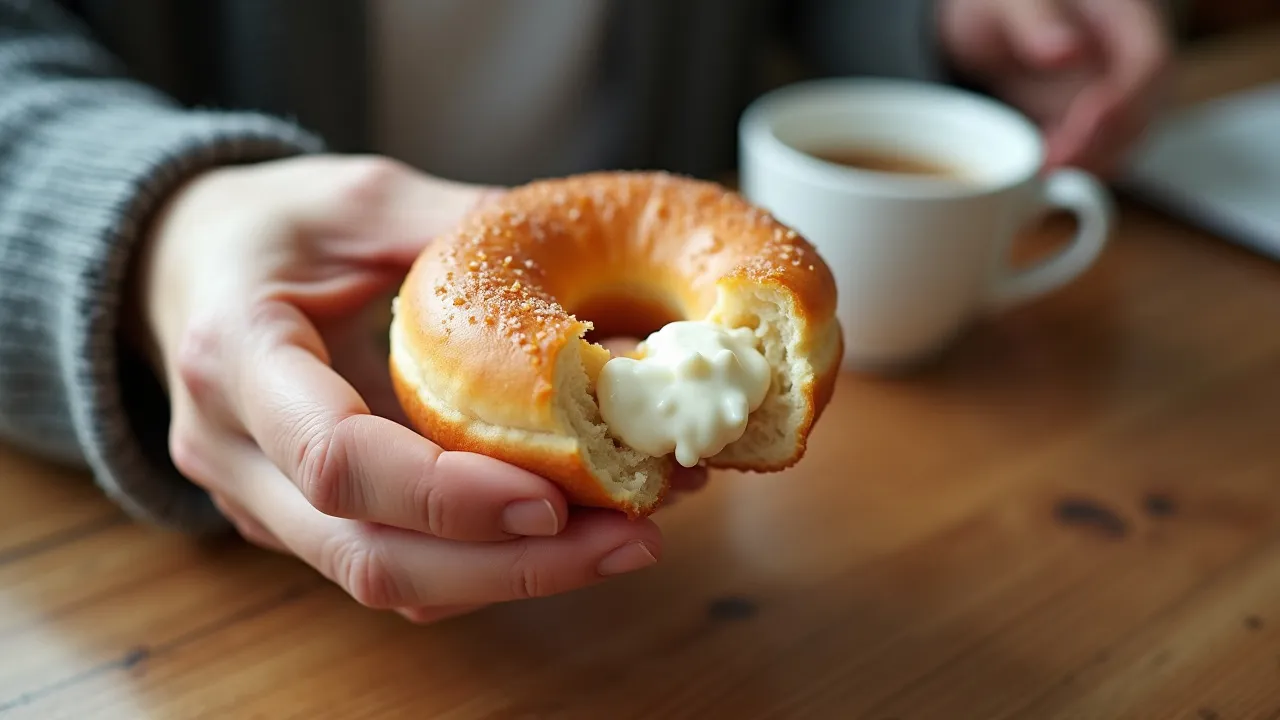
National Cream-Filled Donut Day, celebrated on September 14th, honors the beloved pastry with a creamy center. Learn about its history and how to enjoy this sweet treat.
The Historical Origins & Evolutionary Journey
National Cream-Filled Donut Day, observed on September 14th, celebrates a beloved variation of the classic donut. The cream-filled donut has a rich history that intertwines with the development of the donut itself and the rise of pastry innovations in the United States and beyond.
The Foundational Catalyst
The donut, in its simplest form, dates back to early Dutch settlers who brought "olykoeks" (oil cakes) to America. The ring-shaped donut became popular in the 19th century, but the cream-filled variant emerged later. The invention of the pastry cream or custard filling is attributed to French chef Marie-Antoine Carême in the early 1800s, but it wasn't until the 20th century that bakers began injecting pastries with cream. The first known cream-filled donut was likely created in the 1920s or 1930s, perhaps as a variation of the Boston cream pie, which was converted into a donut by baking or frying a round yeast dough and filling it with vanilla custard.
The Legislative/Official Adoption
Unlike official holidays, National Cream-Filled Donut Day does not have a legislative origin. It is a food holiday that grew organically through donut shops, social media, and food enthusiasts. The specific date of September 14th was popularized by online calendars and donut chains such as Dunkin' and Krispy Kreme, who began promoting the day in the early 2000s. The holiday gained traction as a way to celebrate the indulgent treat and encourage people to visit local donut shops.
Modern Global Legacy
Today, National Cream-Filled Donut Day is recognized across the United States and has spread to other countries through global donut chains. Cream-filled donuts come in various forms: traditional vanilla custard, chocolate cream, fruit-infused creams, and even savory versions. The holiday has also spurred creativity, with artisanal bakeries offering gourmet fillings like matcha cream, salted caramel, and lemon curd. The day is not only about consumption but also about appreciating the craftsmanship behind these pastries.
How to Celebrate National Cream-Filled Donut Day
Celebrating National Cream-Filled Donut Day on September 14th can be as simple as enjoying a cream-filled donut, but there are many ways to make the day special. This guide provides actionable strategies for individuals, families, schools, and organizations to participate in the festivities.
For Individuals and Families
- Visit a Local Donut Shop: Support your neighborhood bakery by purchasing a cream-filled donut. Many shops offer special deals on this day.
- Try a New Flavor: Step out of your comfort zone and sample a cream-filled donut with an exotic filling like raspberry or espresso.
- Host a Donut Tasting Party: Invite friends and family to sample different cream-filled donuts from various bakeries. Vote on the best one.
- Make Your Own: Try making cream-filled donuts at home using a simple recipe. This can be a fun and rewarding activity for all ages.
For Schools and Organizations
- Donut Fundraiser: Sell cream-filled donuts to raise money for a cause. Partner with a local donut shop to provide fresh inventory.
- Educational Event: Teach students about the history of donuts and the science behind cream fillings. Include a tasting session.
- Office Treat Day: Bring a box of assorted cream-filled donuts to share with colleagues. It boosts morale and encourages social interaction.
Corporate and Social Rituals
Businesses can celebrate by offering free cream-filled donuts to employees or hosting a donut appreciation event. Social media campaigns using hashtags like #NationalCreamFilledDonutDay help spread awareness. Some companies even create custom donut flavors for the occasion.
Global Celebrations
While primarily a US-based holiday, donut chains in other countries participate. In Canada, many shops offer promotions. In the UK and Australia, independent bakeries often feature special cream-filled donuts on September 14th. In Japan, cream-filled donuts are popular year-round, but the holiday sees limited recognition.
Global Impact and Cultural Significance
National Cream-Filled Donut Day has a modest but growing global impact. The cream-filled donut is a universal comfort food that transcends borders. In the United States, it is a staple of donut shops and a symbol of indulgence. The holiday reinforces the cultural importance of donuts as a treat for special occasions.
Cross-Cultural Adaptations
Different cultures have put their spin on the cream-filled donut. In Germany, Berliner Pfannkuchen are jelly-filled donuts. In Poland, pączki are deep-fried pastries filled with fruit or cream. In Latin America, churros are often filled with dulce de leche or chocolate. These variations highlight the universal appeal of a fried dough filled with sweet cream.
Role in Festivals and Events
Cream-filled donuts often feature in state fairs, food festivals, and carnivals. National Cream-Filled Donut Day has become an informal occasion for communities to gather and celebrate through food. It also serves as a marketing opportunity for donut chains to introduce new products and engage with customers.
Health and Nutrition Perspectives
While cream-filled donuts are undeniably delicious, they are high in calories, sugar, and fat. A typical cream-filled donut contains around 300-400 calories, 15-20 grams of fat, and 20-30 grams of sugar. However, moderation is key, and occasional indulgence can be part of a balanced diet.
Nutritional Breakdown
- Calories: 300-400 per donut
- Fat: 15-20 grams, including saturated fat
- Carbohydrates: 40-50 grams
- Sugar: 20-30 grams
- Protein: 4-6 grams
Healthier Alternatives
For those watching their health, bakeries now offer baked cream-filled donuts instead of fried, using whole wheat flour or gluten-free options. Low-sugar cream fillings made with natural sweeteners are also available. Vegan versions use plant-based creams and egg-free dough.
Dietary Considerations
Many cream-filled donuts contain dairy, eggs, and gluten. However, allergy-friendly versions are increasingly common. It is important for consumers with dietary restrictions to check ingredients or seek specialty bakeries.
Industry and Economic Impact
The donut industry is a multimillion-dollar business in the United States, with an estimated market size of over $1 billion annually. National Cream-Filled Donut Day contributes to sales spikes for donut shops and increases media exposure for the industry.
Sales and Promotions
On September 14th, major chains like Dunkin' and Krispy Kreme often run special promotions, such as buy-one-get-one-free or limited-time flavors. Independent bakeries frequently see a 20-30% increase in sales on this day. The holiday also drives online orders and delivery services.
Innovation and Product Development
The holiday encourages innovation in donut making. Bakers experiment with new fillings, dough recipes, and presentation styles. This has led to the rise of gourmet donut shops and the inclusion of cream-filled donuts in upscale pastry menus. Seasonal and limited-edition flavors create buzz and repeat customers.
Future Trends and Sustainability
As consumer preferences evolve, the cream-filled donut is adapting. Future trends include:
- Plant-Based and Vegan Options: Rising demand for vegan donuts has led to cream fillings made from coconut, almond, or oat milk.
- Global Flavors: Infusion of international tastes like matcha, ube, or mango.
- Reduced Sugar and Clean Label: Health-conscious consumers seek donuts with natural sweeteners and fewer additives.
- Sustainability: Eco-friendly packaging and locally sourced ingredients are becoming important for bakeries.
National Cream-Filled Donut Day will continue to evolve, but its core purpose—celebrating a delicious treat—remains timeless.
Historical Timeline
Pastry cream invented by French chef Marie-Antoine Carême, becoming the basis for cream-filled pastries.
First cream-filled donuts appear in American bakeries, likely as a variation of the Boston cream pie.
Donut chains like Dunkin' Donuts (founded 1950) popularize cream-filled donuts with vanilla and chocolate fillings.
National Cream-Filled Donut Day emerges as a food holiday, with September 14th gaining traction on online calendars and social media.
Artisanal donut shops create gourmet cream-filled varieties with flavors like lavender honey and salted caramel. The holiday sees increased participation from major chains.
During the COVID-19 pandemic, National Cream-Filled Donut Day is celebrated with contactless pickup and delivery promotions.
Vegan and gluten-free cream-filled donuts become widely available, broadening the holiday's appeal.