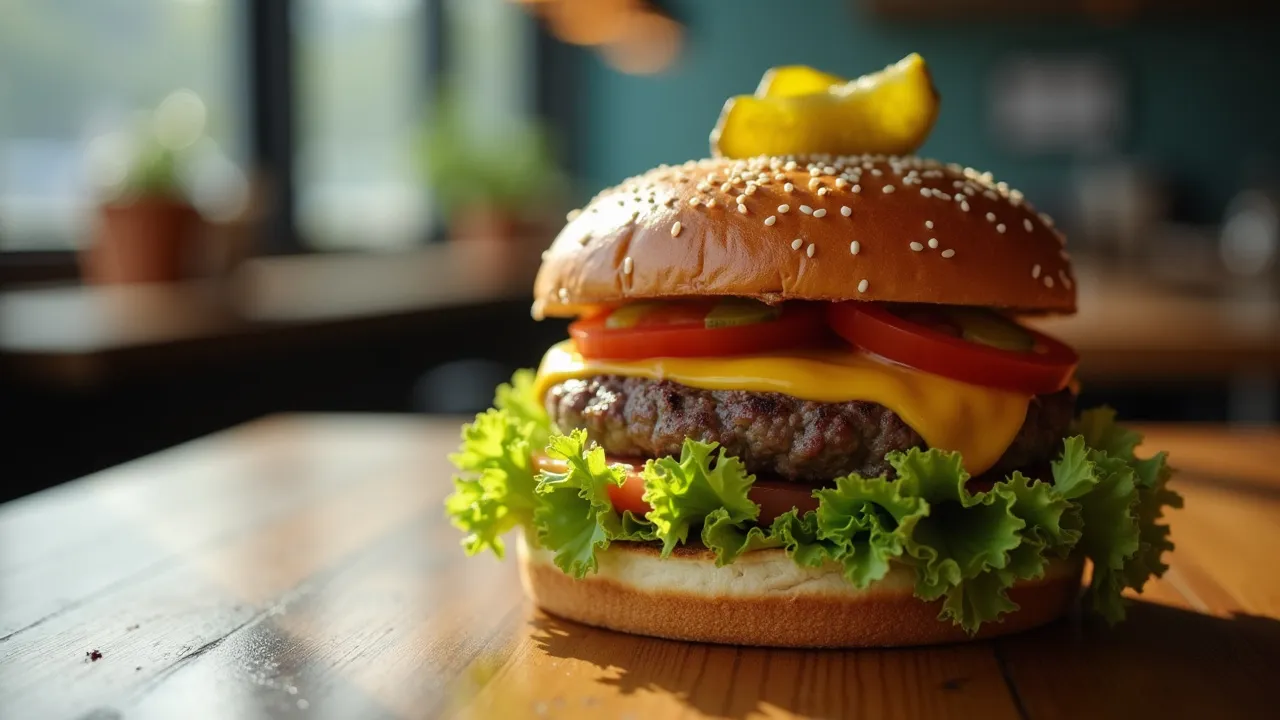
Celebrated annually on September 15th, National Double Cheeseburger Day honors the iconic two-patty burger. This day invites burger lovers to indulge in their favorite fast-food or gourmet versions, reflecting American culinary culture.
The Historical Origins & Evolutionary Journey
National Double Cheeseburger Day, observed on September 15th, celebrates a beloved American culinary creation: the double cheeseburger. To understand its origins, we must trace the evolution of the cheeseburger itself and the cultural forces that elevated the double-patty variant to iconic status.
The Foundational Catalyst: Birth of the Cheeseburger
The cheeseburger's invention is disputed, with several claims dating back to the early 20th century. Lionel Sternberger is often credited with adding a slice of cheese to a hamburger at his father's Pasadena, California, sandwich shop in 1924. Other accounts attribute the innovation to Louis Ballast of Denver, Colorado, who trademarked the "cheeseburger" in 1935. Regardless of its precise origin, the cheeseburger quickly became a staple of American diners and drive-ins.
The Rise of the Double Cheeseburger
The double cheeseburger emerged as a natural extension of the growing appetite for larger, more indulgent burgers. In the 1950s and 1960s, fast-food chains like McDonald's and Burger King introduced double-decker burgers to satisfy customers seeking more meat and cheese. The double cheeseburger offered a perfect ratio of beef, cheese, and condiments, often featuring two thin patties and two slices of cheese. This format became a menu mainstay, particularly after McDonald's introduced the Big Mac in 1968, which, while technically a "double-decker" with a middle bun, solidified the double-burger concept in popular culture.
The Legislative/Official Adoption of a Food Holiday
National Double Cheeseburger Day likely originated as a marketing initiative by fast-food chains or a food-focused media entity. While no single founder is officially recorded, the day gained traction in the early 2000s through online calendars and social media. September 15th was chosen probably to coincide with the tail end of summer barbecue season and back-to-school cravings. Unlike federally recognized holidays, this observance is unofficial but widely embraced by restaurants offering specials and discounts.
Modern Global Legacy
Today, National Double Cheeseburger Day transcends American borders. In Japan, gourmet double cheeseburgers feature unique toppings like teriyaki sauce and seaweed. In Australia, beetroot and fried eggs are common additions. The day has become a global celebration of culinary innovation, with foodies posting their creations on social media using hashtags like #DoubleCheeseburgerDay. The double cheeseburger remains a symbol of American fast-food culture while adapting to local tastes worldwide.
How to Celebrate National Double Cheeseburger Day
National Double Cheeseburger Day offers endless opportunities for indulgence and fun. Whether you prefer a classic fast-food version or a gourmet creation, this guide provides actionable celebration strategies for individuals, schools, and organizations.
For Individuals and Families
- Visit a Local Burger Joint: Many restaurants offer special deals on September 15th. Check out mom-and-pop shops for unique double cheeseburger variations.
- Host a Burger Cook-Off: Invite friends and family to compete in making the best double cheeseburger. Categories include classic, spicy, and vegetarian alternatives (using plant-based patties).
- Social Media Challenge: Post a photo of your double cheeseburger with the hashtag #DoubleCheeseburgerDay. Challenge others to do the same.
For Schools and Community Groups
- Burger Fundraiser: Sell double cheeseburgers at a school event to raise funds for a cause. Partner with a local restaurant for bulk pricing.
- Nutritional Awareness Session: Combine the celebration with a lesson on balanced eating. Discuss how to enjoy a double cheeseburger as part of a healthy diet—perhaps with a side salad instead of fries.
For Restaurants and Businesses
- Limited-Time Offer: Create a signature double cheeseburger available only on September 15th. Use premium ingredients to attract foodies.
- Loyalty Program Bonus: Reward customers who order a double cheeseburger with double points or a free drink.
- Collaborate with Food Bloggers: Invite local influencers to review your double cheeseburger, generating buzz on social media.
Global Celebration Ideas
Different countries put their own spin on the day. In the United States, classic diners often feature a "Double Cheese Deluxe". In South Korea, bulgogi-inspired double cheeseburgers are popular. In Mexico, adding jalapeños and guacamole is common. No matter where you are, the key is to enjoy the double cheeseburger with enthusiasm and share your experience.
Nutritional Profile and Health Considerations
The double cheeseburger is a calorie-dense food that combines protein, fat, and carbohydrates. While it can be part of a balanced diet when consumed in moderation, understanding its nutritional composition helps consumers make informed choices.
Caloric Breakdown
A typical fast-food double cheeseburger contains approximately 450-800 calories, depending on size and toppings. The two beef patties provide around 30-50 grams of protein, essential for muscle repair. However, the saturated fat content can range from 15 to 25 grams, which is significant compared to daily recommended limits.
Key Nutrients
- Protein: High-quality protein from beef supports satiety and metabolism.
- Calcium: Cheese contributes calcium for bone health, but also adds sodium.
- Iron: Beef is a good source of heme iron, crucial for oxygen transport.
- Sodium: Double cheeseburgers often contain 1000-1500 mg of sodium, nearly the daily recommended intake for some individuals.
Healthier Alternatives
To enjoy National Double Cheeseburger Day without overindulging, consider these modifications: choose a whole-wheat bun, add extra vegetables like lettuce and tomato, opt for a smaller patty size, or use a lettuce wrap instead of a bun. For those with dietary restrictions, plant-based double cheeseburgers made from pea protein or soy provide similar taste with less saturated fat.
Balance is Key
Celebrating one day with a hearty meal is fine, but regular consumption should be balanced with fruits, vegetables, whole grains, and physical activity. The mantra is: "Enjoy the treat, not excess."
Regional Variations Around the World
The double cheeseburger has been adapted in countless ways across the globe, reflecting local tastes and ingredients. Here is a sampling of regional interpretations that highlight cultural diversity.
United States: The Classic
American fast-food chains like McDonald's, Burger King, and Wendy's offer standard double cheeseburgers with ketchup, mustard, pickles, onions, and cheese. Gourmet variations may include bacon, avocado, or fried eggs.
Japan: Umami Explosion
Japanese double cheeseburgers often feature teriyaki sauce, seaweed, and wasabi mayo. Some versions incorporate rice buns or shiso leaves for a unique twist. The emphasis is on balanced flavors and high-quality ingredients.
Australia: The Works
Aussie double cheeseburgers frequently include sliced beetroot, fried egg, pineapple, and bacon. The combination of sweet and savory is a beloved tradition.
India: Vegetarian Transforms
In India, where many avoid beef, double cheeseburgers are made with potato-and-pea patties (aloo tikki), paneer, or chicken. Spices like cumin and coriander add distinct flavor.
United Kingdom: The Gastro Pub Version
British pubs offer gourmet double cheeseburgers with ingredients like Stilton cheese, caramelized onions, and hand-cut chips. The focus is on premium beef and artisanal buns.
Mexico: Spice and Freshness
Mexican double cheeseburgers might include pepper jack cheese, jalapeños, guacamole, and salsa. The patties are often thinner and chargrilled for smoky notes.
Economic and Cultural Impact of the Double Cheeseburger
The double cheeseburger is more than a meal; it represents a multi-billion dollar industry and a symbol of American cultural export. Its economic and cultural significance is vast.
Fast-Food Industry Dynamics
Double cheeseburgers are a staple in quick-service restaurants (QSRs). According to market research, burgers account for a substantial portion of sales in major chains. Limited-time offers tied to National Double Cheeseburger Day drive foot traffic and social media engagement. Marketing campaigns often feature aggressive pricing, such as 99-cent double cheeseburgers, to attract budget-conscious consumers.
Cultural Symbolism
The double cheeseburger embodies convenience, indulgence, and American innovation. It has appeared in movies, television shows, and art, often as a symbol of comfort or excess. The "Double Cheeseburger" has its own memes and hashtags, demonstrating its place in digital culture.
Global Influence
American fast-food chains export the double cheeseburger concept worldwide, but local adaptations foster cultural exchange. In turn, international flavors influence American menus, creating a global food dialogue. National Double Cheeseburger Day highlights this interconnectedness, as participants from different countries share their unique interpretations.
Labor and Supply Chain
The production of double cheeseburgers involves a complex supply chain: beef farming, cheese manufacturing, bun baking, and distribution. This industry employs millions, from ranchers to restaurant workers. The day also prompts discussions about sustainable sourcing and animal welfare, as consumers become more conscious of their food choices.
Fun Facts and Trivia About Double Cheeseburgers
National Double Cheeseburger Day is a great time to share intriguing facts that deepen appreciation for this culinary icon.
- The Double Cheeseburger in Space: In 1985, astronauts on the space shuttle Challenger enjoyed a specially formulated space-safe cheeseburger as part of a experiment on food in microgravity.
- Record-Breaking Burger: The world's largest double cheeseburger weighed over 2,000 pounds, made in 2012 in Carlton, Minnesota. It contained over 1,000 slices of cheese and required a crane to flip.
- McDonald's and the Big Mac: The Big Mac, introduced in 1968, is technically a double-decker with an extra bun layer. It has become a global icon, with a special "Big Mac index" used to measure purchasing power parity.
- Vegetarian Options: The first vegetarian double cheeseburger was offered by a US chain in 2016, using plant-based patties from Beyond Meat. Today, many chains have similar options.
- Popularity by Region: Double cheeseburgers are most popular in the United States, followed by Canada and Australia. In Japan, the double cheeseburger is often eaten with a knife and fork to maintain presentation.
- Nutritional Curiosities: A standard double cheeseburger from a fast-food chain has about the same number of calories as a full meal of grilled chicken with vegetables, but with more fat and sodium.
Historical Timeline
Lionel Sternberger reportedly adds a slice of cheese to a hamburger in Pasadena, California, creating the first cheeseburger.
Louis Ballast of Denver, Colorado, trademarks the name "cheeseburger" at his Humpty Dumpty Drive-In.
The double cheeseburger concept emerges as diners and drive-ins stack two patties and two slices of cheese to satisfy hungrier customers.
McDonald's introduces the Big Mac, a double-decker burger with two beef patties, special sauce, lettuce, cheese, pickles, and onions on a three-part bun.
Burger King and other chains launch their own double cheeseburger variations, solidifying the item's place in fast-food menus.
National Double Cheeseburger Day is unofficially established, likely through online food calendars and promotions, with September 15th as the chosen date.
The world's largest double cheeseburger, weighing 2,014 pounds, is created in Carlton, Minnesota, setting a Guinness World Record.
Plant-based double cheeseburgers begin appearing on menus, offering a vegan alternative with the same double-patty format.
National Double Cheeseburger Day is celebrated globally with social media campaigns, limited-time offers, and creative regional adaptations.