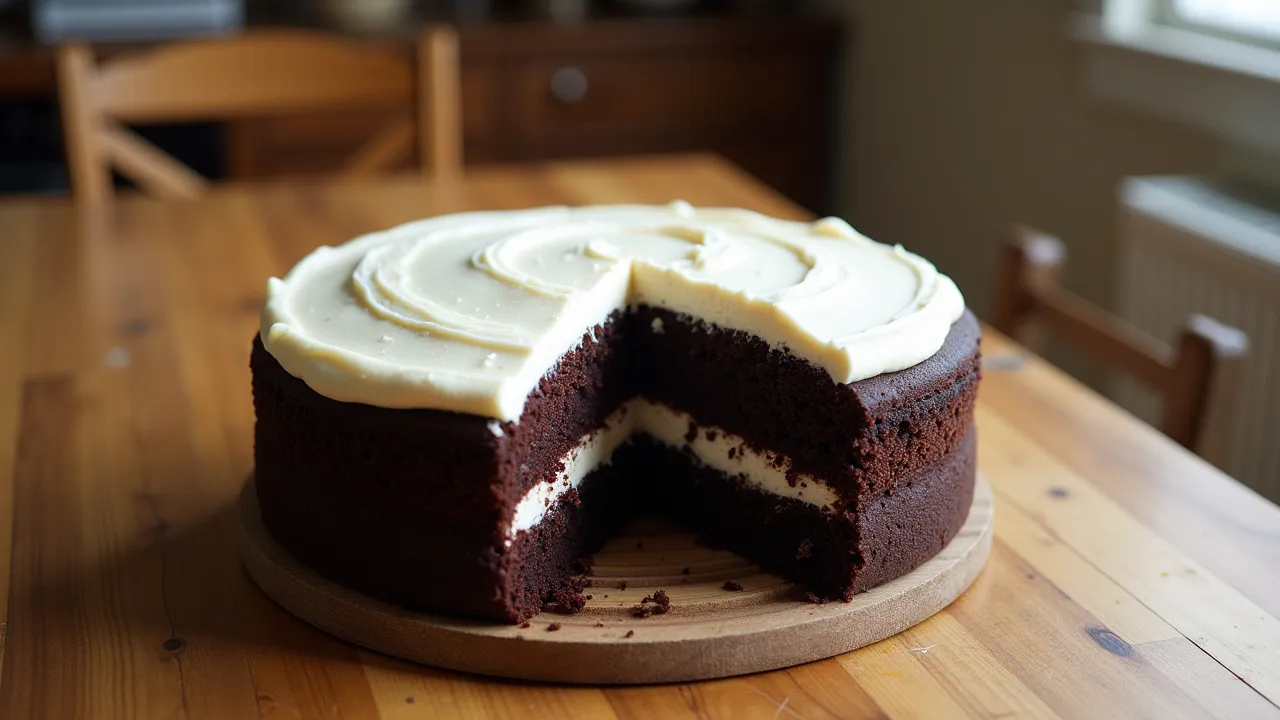
National Devil's Food Cake Day, observed on May 19th, celebrates the rich, chocolatey layered cake known for its dark color and tender crumb. This day honors the dessert dating back to the early 20th century with baking traditions worldwide.
The Historical Origins & Evolutionary Journey
Devil's food cake is a classic American chocolate cake known for its rich, moist texture and deep chocolate flavor. The exact origins of the dessert are debated, but the name "devil's food" first appeared in cookbooks in the early 1900s, contrasting with "angel food" cake. Early recipes used cocoa powder and baking soda to create a dark, tender crumb.
The Foundational Catalyst
The catalyst for the cake's popularity was the introduction of Dutch-processed cocoa in the 19th century, which gave bakers a smoother, less acidic chocolate. By the 1920s, devil's food cake had become a staple at American church suppers and family gatherings. The term "devil's food" is believed to reference the cake's decadent richness, sometimes described as sinfully good.
The Legislative/Official Adoption
While not a federally recognized holiday, National Devil's Food Cake Day was established in 2009 by the American Bakers Association to promote the dessert's heritage. The date May 19th was chosen to coincide with the peak of spring baking season. Since then, bakers and chocolate lovers have observed the day by baking and sharing devil's food cakes.
Modern Global Legacy
Today, devil's food cake is enjoyed worldwide, with variations including the use of sour cream or buttermilk for extra moisture, and frostings like chocolate ganache or marshmallow. The day has grown through social media campaigns and bake sales, cementing its place in food holiday culture.
How to Celebrate National Devil's Food Cake Day
Celebrating this day involves embracing the art of baking and sharing decadent chocolate cake. Here are actionable strategies for individuals, schools, and organizations.
Individual & Family Activities
- Bake from scratch: Use a traditional recipe with cocoa powder, baking soda, and buttermilk for authentic texture.
- Host a tasting party: Compare homemade vs. bakery versions, or try different frosting styles.
- Share with neighbors: Deliver slices in eco-friendly packaging with a note about the day.
School & Community Events
- Bake-off competitions: Organize a contest with categories like best frosting or most creative decoration.
- Fundraising bake sales: Sell slices to raise money for local charities, emphasizing the cake's history.
- Educational workshops: Teach the science behind the cake's texture, including the reaction of baking soda with cocoa.
Corporate & Social Rituals
Companies can host office baking challenges or provide devil's food cake in break rooms. Social media users post photos with #DevilsFoodCakeDay, sharing recipes and memories. In some regions, bakeries offer special discounts or limited-edition flavors.
Globally, the celebration varies: in the United States, potlucks feature layered cakes; in the United Kingdom, similar "chocolate fudge cake" recipes are used; in Japan, versions often incorporate matcha or red bean frosting.
Cultural Impact & Societal Themes
Devil's food cake has transcended its role as a dessert to become a cultural symbol of indulgence and comfort. Its name evokes the concept of "sinful" pleasure, reflecting societal attitudes toward rich foods. The cake appears in numerous films, books, and TV shows as a metaphor for temptation and reward.
Representation in Media
From the classic 1994 film "The Little Rascals" to modern shows like "The Great British Bake Off," devil's food cake is frequently featured. It is often depicted as the ultimate birthday cake, representing celebration and joy.
Economic Influence
The cake's popularity supports a wide range of industries: cocoa farming, baking supplies, bakeries, and grocery stores. National Devil's Food Cake Day boosts sales of cocoa powder, baking soda, and specialty pans, with some reports indicating a 20% increase in chocolate cake ingredient purchases in May.
The Science of Devil's Food Cake
What sets devil's food cake apart from other chocolate cakes is its scientific foundation. The characteristic dark color and fluffy texture come from a specific chemical reaction.
Key Ingredients & Reactions
- Cocoa powder: Natural cocoa is acidic; Dutch-processed cocoa is neutralized. Traditional recipes use natural cocoa to react with baking soda.
- Baking soda: An alkali that reacts with acidic cocoa to produce carbon dioxide, creating a light crumb.
- Buttermilk or sour cream: Adds acidity and tenderness, enhancing the reaction.
Temperature & Technique
Baking at 350°F (175°C) ensures even rise. Overmixing can develop gluten, making the cake tough. The cake's moistness is often attributed to the high fat content from butter or oil.
Modern innovations include using hot coffee or boiling water to deepen the chocolate flavor, a technique popularized by recipes like Hershey's "Perfectly Chocolate" cake.
Global Variations & Regional Traditions
While the classic American devil's food cake remains popular, countries around the world have adapted the recipe to local tastes.
United States
Typically a three-layer cake with dark chocolate frosting, often filled with a light chocolate mousse or whipped cream. The cake is a fixture at birthdays and holidays.
United Kingdom
Similar to chocolate fudge cake, devil's food cake in the UK is often denser and topped with chocolate ganache. It is sometimes served with clotted cream.
Japan
Japanese versions may incorporate matcha powder into the cake or frosting, or use red bean paste for a unique flavor profile. Presentation is key, often with decorative piping and edible flowers.
Australia
Australians often add a layer of raspberry jam or fresh berries between the cake and frosting, balancing richness with tartness.
In France, patisserie versions are lighter, using mousse instead of buttercream, while in Latin America, dulce de leche might replace chocolate frosting.
Health Considerations & Nutritional Profile
Devil's food cake is undeniably indulgent, but understanding its nutritional content can help consumers make informed choices.
Nutritional Breakdown
- Calories: A typical slice (1/12 of a 9-inch cake) contains approximately 350-450 calories.
- Fat: 15-25g, mostly from butter and oil.
- Sugar: 30-40g, depending on frosting.
- Protein: 4-6g, from eggs and milk.
Healthier Modifications
Bakers can reduce sugar by using unsweetened applesauce or reduce fat by substituting Greek yogurt for oil. Gluten-free flour blends allow celiac sufferers to enjoy the cake. Vegan versions using flax eggs and coconut milk also exist.
National Devil's Food Cake Day emphasizes moderation and sharing, aligning with balanced eating habits.
Historical Timeline
First known recipes for devil's food cake appear in American cookbooks, using cocoa and baking soda to achieve a dark color.
The term 'devil's food' is formally distinguished from 'angel food' in culinary literature, with the cake's popularity spreading through church and community cookbooks.
Hershey's publishes a 'Perfectly Chocolate' cake recipe that becomes a standard for devil's food cake, using hot coffee to enhance flavor.
Devil's food cake becomes a supermarket staple with the rise of boxed cake mixes, such as Duncan Hines and Betty Crocker.
The American Bakers Association establishes National Devil's Food Cake Day on May 19th to honor the dessert and promote baking traditions.
Social media campaigns like #DevilsFoodCakeDay start trending, with thousands of home bakers sharing photos and recipes online.
Global bakeries report increased sales of cocoa powder and specialty cake pans during the week of May 19th, indicating the day's growing commercial impact.