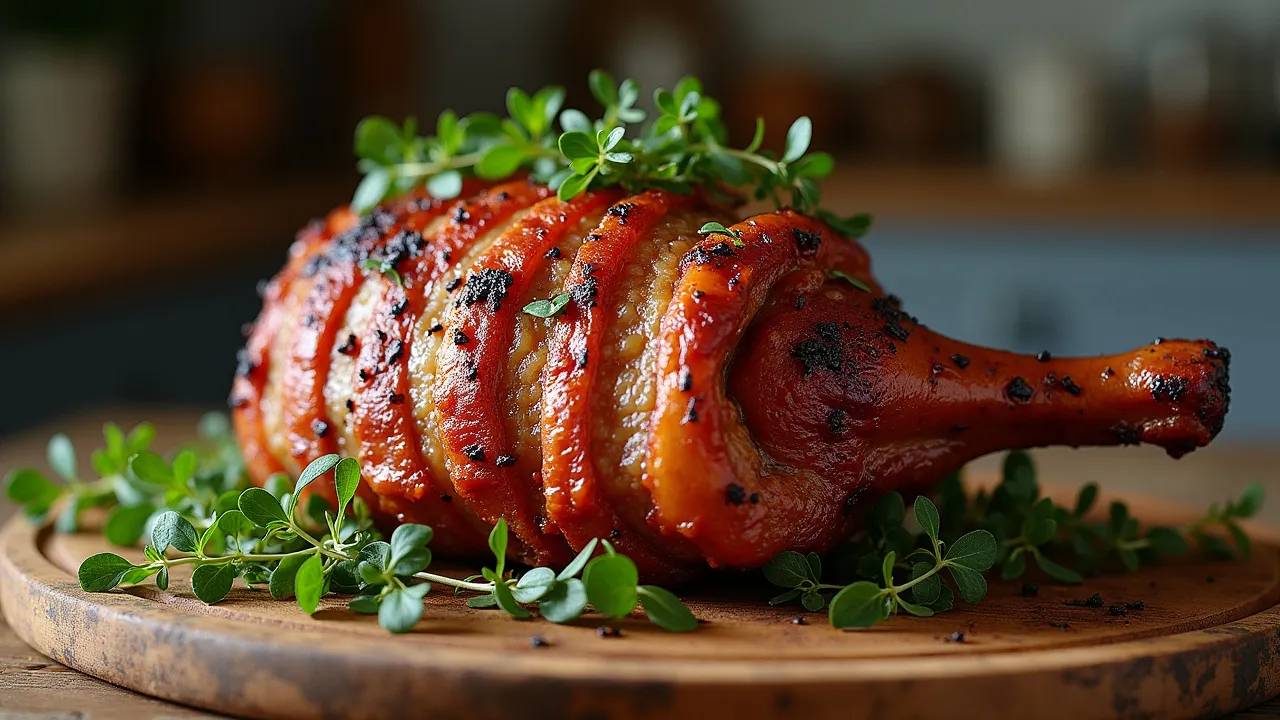
Celebrated on March 7th, National Crown Roast of Pork Day honors the elegant crown-shaped pork cut. This day celebrates pork's versatility and the rich culinary tradition of this show-stopping dish.
The Historical Origins & Evolutionary Journey
National Crown Roast of Pork Day, observed annually on March 7th, celebrates one of the most visually stunning and delicious pork presentations. The crown roast itself—a circular arrangement of pork ribs tied to form a crown—has roots in medieval European grand feasts, where presentation was as important as flavor. However, the dedicated day likely emerged in the late 20th century as part of promotional efforts by the National Pork Board to encourage home cooks and restaurants to feature this impressive dish.
The Foundational Catalyst
The crown roast of pork (sometimes called a crown rib roast) is made from two center-cut pork loin roasts that are tied together into a ring, with the rib bones pointing upward to resemble a crown. The earliest known printed recipes appear in mid-20th century American cookbooks, such as Joy of Cooking (1962 edition), which describes the technique. The dish gained popularity in the 1950s and 1960s as post-war prosperity allowed for more elaborate home entertaining.
The Legislative/Official Adoption
While not an official federal holiday, National Crown Roast of Pork Day gained traction through pork industry marketing and food enthusiast calendars. The National Pork Board, an organization that promotes pork consumption, began actively pushing the day in the early 2000s, providing recipes and cooking tips. By 2010, it was widely listed in food holiday collections, though it remains an unofficial observance.
Modern Global Legacy
Today, the day is celebrated across the United States and in countries with strong pork traditions, such as Germany and Denmark. Social media has amplified its reach, with food bloggers showcasing innovative variations—from smoked crown roasts to sous-vide preparations. The crown roast remains a symbol of festive gatherings, often reserved for Christmas, Easter, or Thanksgiving, but March 7th gives it a special spotlight.
How to Celebrate National Crown Roast of Pork Day
Celebrating National Crown Roast of Pork Day on March 7th involves both cooking and community. Whether you're a seasoned chef or a novice, there are numerous ways to honor this magnificent dish. Below are structured strategies for individuals, schools, and organizations.
For Individuals and Families
- Cook a crown roast: Purchase a 10-12 rib crown roast from your local butcher. Season with garlic, rosemary, and thyme. Roast at 350°F until internal temp reaches 145°F. Let rest 20 minutes.
- Pair with sides: Serve with roasted vegetables, apple compote, or mashed potatoes. The crown's center cavity is perfect for stuffing.
- Host a dinner party: Invite friends and family to share the feast. Use the occasion to practice carving techniques.
For Schools and Educational Institutions
- Teach culinary history: Discuss the medieval origins of crown roasts and the evolution of pork cooking methods.
- Cooking demonstration: If facilities permit, demonstrate the tying and roasting process. Emphasize food safety and thermometer use.
- Nutrition lesson: Pork is a rich source of protein, B vitamins, and zinc. Discuss balanced diets and responsible meat consumption.
For Organizations and Businesses
- Restaurant promotions: Offer a crown roast special on March 7th. Advertise on social media with photos.
- Butcher shops: Display crown roasts prominently and provide recipe cards.
- Pork industry groups: Run campaigns highlighting sustainable pork farming and animal welfare standards.
Global Celebrations
In Germany, a similar dish called Kronenbraten is popular, often served with sauerkraut and dumplings. In Denmark, flæskesteg (roast pork with crackling) is a national dish, and crown roast variations appear on festive tables. While the day is primarily US-centric, international food enthusiasts can adapt local flavors.
The Art of Preparing a Perfect Crown Roast
Mastering the crown roast requires understanding its unique structure. The dish typically uses 7 to 10 rib bones per side, tied into a ring. Key steps include:
Selection and Butchery
Choose a center-cut pork loin with trimmed rib bones. Ask your butcher to "French" the bones—scrape away meat to expose the bone for a cleaner appearance. The roast must be tied securely with kitchen twine to maintain shape during cooking.
Seasoning and Marination
Traditional seasonings include salt, pepper, garlic, and fresh herbs like rosemary and thyme. For a modern twist, try a dry rub with brown sugar, smoked paprika, and cumin. Marinating overnight enhances flavor.
Cooking Techniques
- Oven Roasting: Start at high heat (450°F) for 15 minutes to brown, then reduce to 325°F. Cook to an internal temperature of 145°F (medium) or 160°F (well).
- Smoking: Use a smoker at 225°F with applewood for 4-5 hours until tender.
- Sous-vide: Seal roast in bag, cook at 140°F for 24 hours, then sear in pan or grill.
Presentation and Carving
Place the crown roast on a large platter. Fill the center with stuffing, vegetables, or a sauce boat. To carve, remove the twine and cut between the bones into individual chops.
Nutritional Profile and Health Benefits of Pork Crown Roast
Pork is often misunderstood in nutrition circles. A properly prepared crown roast offers substantial health benefits when consumed as part of a balanced diet.
Macronutrients
A 3-ounce serving of roasted pork loin provides about 22 grams of high-quality protein, 8 grams of fat (mostly unsaturated), and zero carbohydrates. It is an excellent source of B vitamins, particularly thiamin, niacin, and B6, which support energy metabolism.
Minerals and Trace Elements
Pork is rich in zinc, phosphorus, and selenium. Zinc aids immune function, phosphorus supports bone health, and selenium acts as an antioxidant. One serving also provides a significant portion of recommended iron intake for women.
Considerations
Moderation is key. The crown roast is higher in fat than lean cuts like tenderloin, but trimming visible fat reduces calories. For those watching sodium, avoid brining or use low-sodium alternatives. Cooking to proper temperature (145°F with a 3-minute rest) ensures safety without overcooking.
Economic and Industry Impact of National Crown Roast of Pork Day
The day significantly influences pork sales and marketing campaigns. According to the National Pork Board, promotional events like this day can boost pork demand by 5-10% in the week surrounding the holiday.
Retail and Butcher Boosts
Grocery stores feature crown roasts prominently in meat cases. Many offer pre-tied roasts for convenience. Butcher shops report increased custom orders in the weeks leading up to March 7th. Some specialty farms offer online ordering, shipping crown roasts nationwide.
Restaurant and Foodservice
Upscale restaurants often create limited-time menus featuring crown roast. Casual dining chains may offer smaller pork chop alternatives. The day also drives recipe development and culinary innovation, with chefs experimenting with international flavors like Korean gochujang glaze or Indian tandoori spice.
Sustainability and Animal Welfare
The pork industry has made strides in sustainability. Modern farming practices reduce water usage and carbon footprint. Many producers now emphasize pasture-raised or organic options. The day provides an opportunity to educate consumers about ethical pork production.
Cultural Significance and Regional Variations
While the crown roast is primarily associated with American holiday feasts, similar dishes exist worldwide, reflecting pork's global importance.
United States
Crown roast is a symbol of abundance and hospitality. It is often served at Christmas, New Year's, or Thanksgiving. The National Crown Roast of Pork Day elevates this classic to a solo spotlight.
Germany
Kronenbraten is a traditional Sunday roast in Germany, typically served with gravy and potato dumplings. German butchers expertly french the bones and present the roast with decorative frills.
United Kingdom
While not called crown roast, the UK's "pork crown" appears in cookbooks since the 19th century. It is often stuffed with sage and onion, paired with crackling and apple sauce.
Asia
In China, pork rib roasts are common, though the crown shape is less frequent. However, the day's influence can be seen in fusion restaurants that combine Asian marinades with the crown presentation.
Historical Timeline
The crown roast of pork recipe appears in the popular 'Joy of Cooking' cookbook, introducing the technique to home cooks.
National Crown Roast of Pork Day is unofficially established by pork industry groups, likely as a marketing initiative.
The National Pork Board begins promoting March 7th online, providing recipes and cooking tips.
Food bloggers and social media adopt the day, with 'crownroast' trending on Twitter for the first time.
Smithfield Foods sponsors a crown roast cooking competition, attracting professional chefs.
During the pandemic, home cooking surges, and crown roast becomes a popular 'stay-at-home' comfort feast.