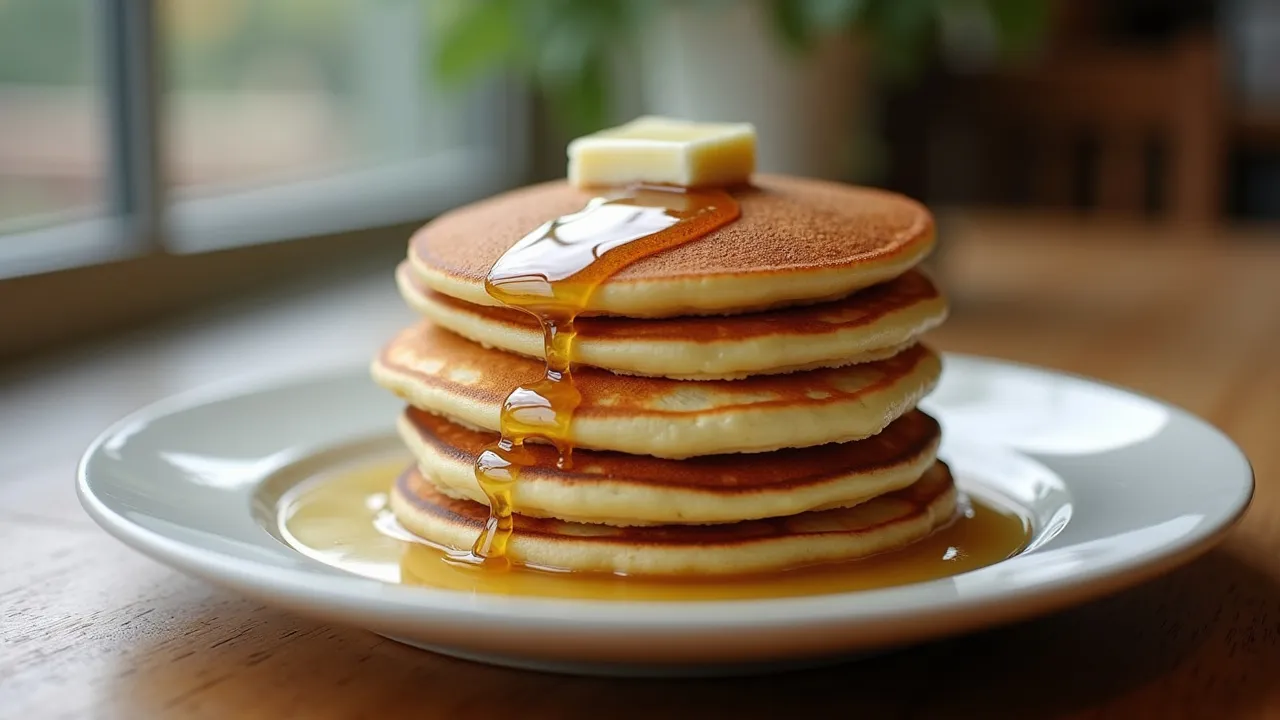
Celebrated on March 7th, Flapjack Day honors the beloved flatbread known as flapjacks—from American pancakes to British oat bars. Explore its history, global variations, and how to indulge in this delicious observance.
The Historical Origins & Evolutionary Journey
Flapjack Day, observed on March 7th, celebrates a food that spans continents and centuries. The term "flapjack" itself has a dual identity: in the United States, it refers to a fluffy pancake often eaten for breakfast; in the United Kingdom and other Commonwealth nations, it denotes a baked oat bar sweetened with golden syrup. This article delves into the rich history, cultural significance, and modern-day observances of Flapjack Day.
The Foundational Catalyst: From Ancient Griddles to Modern Tables
The concept of a flat, griddle-cooked cake predates recorded history. Archaeological evidence suggests that Neolithic humans mixed ground grains with water and cooked the batter on hot stones—essentially the earliest flapjacks. The ancient Greeks and Romans enjoyed flatcakes called tagenites and alita docia, respectively, often sweetened with honey. However, the specific term "flapjack" first appeared in 17th-century England, where it described a flat, fried cake made from flour, eggs, and milk. Over time, the recipe evolved into what Americans now call pancakes. Meanwhile, the British flapjack—a baked oat bar—emerged in the 20th century as a simple, nutritious snack, often packed for soldiers during World War II.
The Legislative/Official Adoption: How March 7th Became Flapjack Day
The exact origin of National Flapjack Day is murky, as is common with many food holidays. It is believed to have been promoted by the National Day Calendar in the early 2000s as a fun, unofficial observance. The date March 7th was chosen arbitrarily, perhaps to break up the late-winter doldrums with a sweet treat. Unlike federally recognized holidays, Flapjack Day has no legislative backing; it thrives on social media, food blogs, and the enthusiasm of home cooks and restaurants. In the UK, similar oat-bar celebrations exist but are less formalized, with many bakers marking the day with traybake parties.
Modern Global Legacy: Flapjacks Across Cultures
Today, Flapjack Day has transcended its American roots. In Canada, it's a chance to enjoy maple syrup-drenched pancakes. In Australia and New Zealand, the day is sometimes referred to as "Pikelet Day" (after small, thick pancakes). British flapjack enthusiasts celebrate with golden syrup oat bars, often adding chocolate or dried fruit. The day has also become a marketing opportunity for diners, pancake houses, and bakeries, with many offering special deals. Social media campaigns under hashtags like #FlapjackDay and #NationalFlapjackDay encourage sharing recipes and photos, creating a global community of flapjack lovers.
How to Celebrate Flapjack Day
Flapjack Day offers endless possibilities for celebration, whether you prefer the American stack or the British bar. Below are actionable strategies for individuals, families, schools, and organizations.
For Individuals and Families
- Flip a Stack of Pancakes: Whip up a batch of classic buttermilk pancakes. Top with butter, syrup, fresh fruit, or whipped cream. Try variations like blueberry, chocolate chip, or banana.
- Bake Oat Bars: If you're in the UK or enjoy oat-based treats, make traditional golden syrup flapjacks. Combine rolled oats, butter, sugar, and syrup, then bake until golden. Add extras like raisins, nuts, or chocolate chips.
- Host a Flapjack Tasting: Invite friends over for a compare-and-contrast session: American pancakes vs. British flapjacks. Serve with toppings and tea.
- Go Out for Breakfast: Visit a local diner or pancake house. Many restaurants offer discounts on National Flapjack Day.
For Schools and Educational Settings
- Teach History and Geography: Use Flapjack Day to discuss the cultural differences between American and British foods. Have students research the origins of pancakes and oat bars.
- Cooking Class: Organize a simple recipe session where children mix batter or press oat bars. Emphasize measurements and teamwork.
- Fundraiser: Sell homemade flapjacks at a bake sale to raise money for a school project.
For Businesses and Organizations
- Restaurant Specials: Offer a special flapjack menu, such as a "Flapjack Flight" with four mini pancakes with different toppings, or a free flapjack with a purchase.
- Employee Engagement: Surprise staff with a pancake breakfast or oat bar treat break. Share fun facts about the holiday.
- Social Media Campaign: Launch a photo contest with a #FlapjackDay hashtag. Offer a prize for the most creative flapjack creation.
Global Impact and Regional Variations
Flapjack Day is not a one-size-fits-all celebration. Different regions have their own versions of flapjacks, each with distinct ingredients and traditions.
United States: The Pancake Nation
In the US, flapjacks are synonymous with pancakes—round, fluffy, and typically served in stacks for breakfast. Regional variations include the sourdough pancakes of San Francisco, the cornmeal johnnycakes of New England, and the hoecakes of the South. On Flapjack Day, Americans often host pancake breakfasts, participate in pancake-eating contests, or enjoy themed meals at chains like IHOP or Denny's.
United Kingdom: The Oat Bar Tradition
British flapjacks are entirely different: dense, chewy oat bars bound with butter and golden syrup. They are a staple of school lunchboxes and tea-time treats. Many British bakers celebrate Flapjack Day by baking trays of flapjacks and sharing them with colleagues or neighbors. Some variations include adding chocolate coating or using honey instead of syrup.
Canada and Australia: Maple and Pikelets
Canadians embrace their maple syrup heritage by dousing pancakes (and sometimes oat bars) in the amber liquid. Australia and New Zealand enjoy smaller, thicker pancakes called pikelets, often served with jam and cream. Flapjack Day in these regions is a low-key but sweet occasion.
Continental Europe: Crêpes and Pannekoeken
While not called flapjacks, similar foods exist across Europe. French crêpes are thin pancakes served with sweet or savory fillings. Dutch pannekoeken are large, thin pancakes often filled with bacon and apples. Germany has Pfannkuchen (pancakes) and also oat-based sweets. Flapjack Day provides an opportunity to explore these global cousins.
Nutritional Profile and Culinary Tips
Whether you indulge in pancakes or oat bars, understanding the nutritional aspects helps you enjoy Flapjack Day responsibly.
American Pancakes: Energy and Indulgence
Traditional buttermilk pancakes are high in carbohydrates and moderate in protein, especially when made with eggs and milk. A typical stack (three 4-inch pancakes) provides around 250–350 calories without toppings. Adding butter and syrup can double that figure. For a healthier twist, use whole-wheat flour, reduce sugar, and top with fresh fruit instead of syrup. Oat-based pancake mixes are also gaining popularity.
British Flapjacks: Oat-Powered Goodness
British flapjacks are energy-dense, thanks to oats, butter, and sugar. A single bar can contain 200–300 calories, but they are rich in fiber from oats. For a lighter version, reduce the sugar and butter, or use applesauce as a partial substitute. Add seeds, nuts, or dried fruit for extra nutrients.
Culinary Tips for the Perfect Flapjack
- For pancakes: Don't overmix the batter; lumps are fine. Let the batter rest for 5 minutes before cooking. Use a hot griddle and flip when bubbles appear on the surface.
- For oat bars: Use rolled oats (not instant) for a chewy texture. Press the mixture firmly into the pan before baking. Cool completely before cutting.
- Storage: Pancakes can be frozen and reheated. Flapjacks keep in an airtight container for up to a week.
Flapjack in Pop Culture and Literature
Flapjacks have made their mark on literature, film, and language, reflecting their cultural ubiquity.
Literary References
The earliest known mention of "flapjack" appears in 1600s English cookbooks. In American literature, flapjacks are synonymous with frontier life. Mark Twain's Roughing It describes miners flipping flapjacks on campfires. More recently, flapjacks appear in children's books like Pancakes, Pancakes! by Eric Carle. British authors like Roald Dahl reference flapjacks as a school treat.
Film and Television
Pancakes star in iconic scenes: the diner moment in Pulp Fiction, the flapjack-eating contest in Stand By Me, and the celebratory breakfast in Parks and Recreation. In the UK, flapjacks are often shown in cozy tea-time settings, such as in The Great British Bake Off challenges.
Idioms and Slang
The word "flapjack" has also entered slang. "Flapjack" can be a term for a flattened object, and in aviation, a "flapjack" refers to a type of aircraft wing. The phrase "flapjack flipper" is a playful nickname for a short-order cook.
Economic and Industry Impact
Flapjack Day may be a small player in the food holiday economy, but it contributes to the broader breakfast and snack industries.
The Pancake Industry
American pancake consumption is massive. The global pancake mix market was valued at over $2 billion in 2023, with major players like Aunt Jemima (now Pearl Milling Company), Bisquick, and Kodiak Cakes. Restaurants like IHOP (International House of Pancakes) see increased traffic on Flapjack Day, often offering promotions. The day also boosts sales of maple syrup, butter, and toppings.
The Oat Bar Sector
In the UK, flapjacks are a staple of the snack bar market. Brands like Nature Valley, Alpen, and homemade bakery flapjacks compete for shelf space. Flapjack Day encourages home baking, increasing demand for oats, syrup, and baking ingredients. Supermarkets often display flapjack ingredients prominently on March 7th.
Small Business and Home Bakers
Local bakeries and cafes use Flapjack Day to attract customers with special flavors or discounts. Etsy and other platforms see a spike in sales of homemade flapjack mixes or gift boxes. The day also inspires food bloggers and influencers to create content, driving traffic and ad revenue.
Historical Timeline
The term 'flapjack' first appears in English cookbooks, referring to a flat cake cooked on a griddle.
American cookbooks popularize 'flapjack' as a synonym for pancake, especially in the West.
British flapjacks (oat bars) emerge as a simple, nutritious snack during wartime rationing.
Pancake mixes become commercially successful, making flapjacks a quick breakfast staple.
National Flapjack Day (March 7) is promoted by food calendar publishers and embraced on social media.
IHOP launches 'National Pancake Day' (separate event) but Flapjack Day continues as a grassroots celebration.
Flapjack Day gains international recognition, with UK bakers and US pancake lovers sharing recipes online.