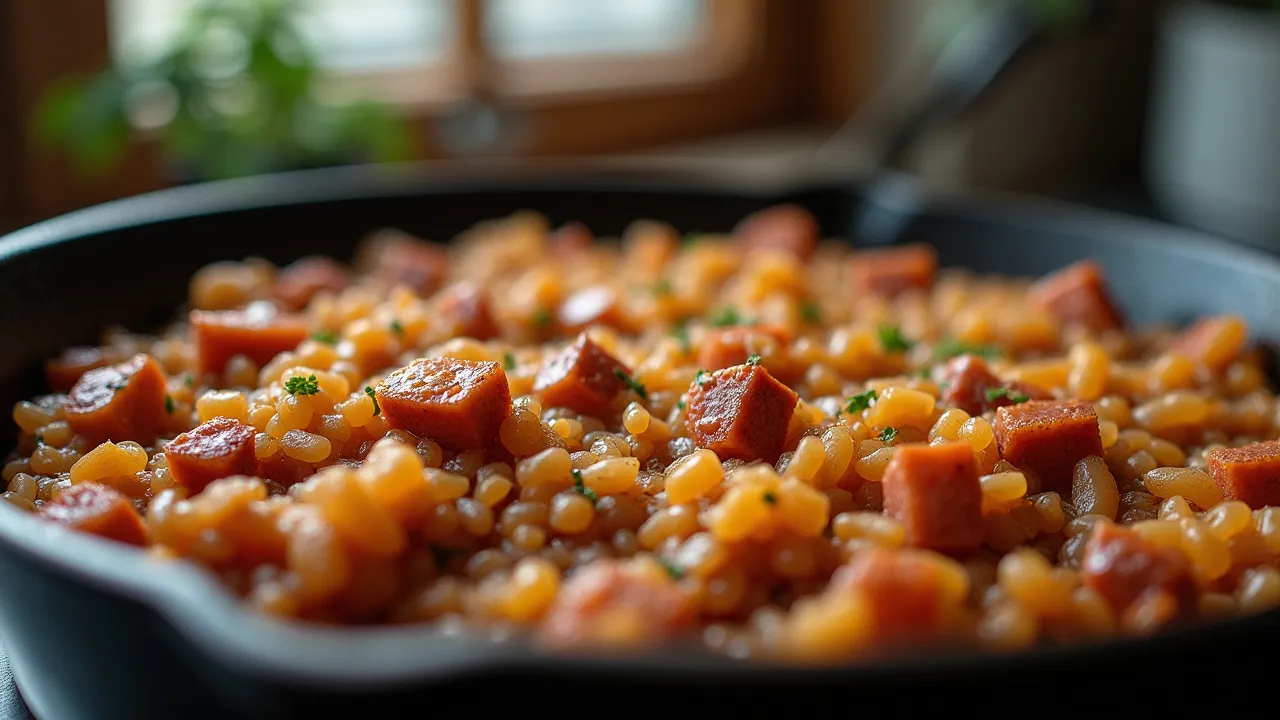
National Corned Beef Hash Day, observed on September 27th, celebrates the beloved comfort food of corned beef, potatoes, and onions pan-fried to crispy perfection. Learn its history, how to celebrate, and why this dish remains a staple.
The Historical Origins & Evolutionary Journey
National Corned Beef Hash Day, observed annually on September 27th, honors a dish born from thrift and ingenuity. Corned beef hash traces its roots to the 19th century, when cooks transformed leftover corned beef and potatoes into a hearty breakfast. The day itself likely emerged in the early 2000s as an unofficial food holiday, popularized by food bloggers and canned corned beef hash brands.
The Foundational Catalyst: From Irish-American Kitchens to Canned Classics
Corned beef itself has ancient origins in salt-curing beef, but the corned beef and cabbage combo became an Irish-American staple in the 1800s. Smart home cooks in New England and beyond began chopping leftovers with potatoes and onions, frying the mixture until crisp. By the early 20th century, companies like Hormel and Libby's introduced canned corned beef hash, making it a pantry essential during the Great Depression and World War II.
The Legislative/Official Adoption (or Lack Thereof)
Unlike many food holidays, National Corned Beef Hash Day has no official Congressional designation. It was likely established by food enthusiasts or a commercial entity—perhaps a canned hash producer—to boost sales. Despite its unofficial status, the day is widely embraced in the United States and recognized by food calendars worldwide.
Modern Global Legacy
Today, corned beef hash is enjoyed not only as a breakfast item but also as a versatile meal. Chefs elevate it with gourmet ingredients like poached eggs, hollandaise, or fresh herbs. The holiday encourages home cooks to experiment with variations, from spicy hash with jalapeños to sweet potato versions. Social media amplifies the celebration with hashtag #CornedBeefHashDay.
How to Celebrate National Corned Beef Hash Day
Celebrating National Corned Beef Hash Day is all about enjoying this crispy, savory dish. Whether you prefer homemade or canned, here are actionable ways to honor the day.
Individual Celebrations
- Cook from scratch: Use leftover corned beef or brisket, dice potatoes and onions, and pan-fry until golden. Serve with eggs.
- Try a canned version: Brands like Hormel or Mary Kitchen offer quick options. Crisp them in a skillet for best texture.
- Host a hash party: Invite friends for a brunch featuring different hash styles.
School and Community Ideas
- Cooking classes: Teach students about food waste reduction by using leftovers to make hash.
- Hash cook-off: Organize a competition with categories like traditional, spicy, or vegetarian.
Corporate and Social Rituals
- Office potluck: Encourage employees to bring their favorite hash recipes.
- Restaurant specials: Diners can offer unique hash dishes, such as corned beef hash benedict.
Global Traditions
While primarily celebrated in the U.S., variations exist worldwide. In the UK, “bubble and squeak” uses leftover vegetables. In Brazil, “carne moída com batata” is a similar dish. On this day, enthusiasts share their regional takes online.
The Cultural Impact and Societal Themes
Corned beef hash embodies themes of frugality, resourcefulness, and comfort. It is a dish that connects generations, often evoking nostalgia for family breakfasts. Its evolution reflects broader culinary trends, from wartime austerity to modern gourmet reinterpretations.
Food Waste Reduction
Hash is a prime example of “root-to-stem” cooking, using leftovers to minimize waste. This aligns with contemporary sustainability movements, making the holiday relevant beyond its indulgence.
Comfort Food Identity
In times of stress, people turn to familiar foods. Corned beef hash provides a sense of warmth and satisfaction, often associated with Sunday brunches or diner culture.
Regional Variations and Global Adaptations
While the United States is the primary celebrant, similar dishes exist worldwide. In Ireland, corned beef isn't as common as bacon and cabbage, but hash made from leftover bacon is popular. In the UK, bubble and squeak uses mashed potatoes and cabbage. In Asia, canned corned beef is used in fried rice or noodle dishes. In Latin America, picadillo includes beef with potatoes, olives, and raisins—a sweeter twist. Each region adapts the concept to local tastes.
Health and Nutritional Aspects
Corned beef hash is calorie-dense, but when eaten in moderation, it provides protein, iron, and potassium. Homemade versions allow control over sodium and fat. Healthier variations use lean corned beef, sweet potatoes, and added vegetables like bell peppers or spinach. For those with dietary restrictions, vegetarian hash using plant-based corned beef or jackfruit is an option.
Industry and Economic Impact
The corned beef hash market, including canned and fresh products, generates millions in annual sales. Major players like Hormel Foods and Bumble Bee promote the holiday with coupons and recipes. Small diners and brunch spots see increased traffic on September 27th, as customers seek out the dish. Additionally, the holiday boosts social media engagement for food influencers.
Common Myths and Misconceptions
Many believe corned beef hash is exclusively Irish, but corned beef was more common in Jewish and American cuisines. Another myth is that canned hash is inferior—while fresh is often better, canned hash can be delicious when properly crisped. Also, some think hash must be made from corned beef, but leftover roast beef or even turkey works.
Historical Timeline
Home cooks in New England begin frying leftover corned beef and potatoes, creating the first iterations of corned beef hash.
Hormel introduces the first canned corned beef hash, making the dish widely accessible.
During World War II, canned corned beef hash becomes a staple in military rations and American pantries.
Corned beef hash gains popularity as a diner breakfast item across the United States.
National Corned Beef Hash Day is established unofficially, likely by food bloggers or a canned hash company.
Social media amplifies the day with hashtags like #CornedBeefHashDay; gourmet versions appear on restaurant menus.
The holiday sees increased participation with home cooks sharing recipes; plant-based and gluten-free variations emerge.