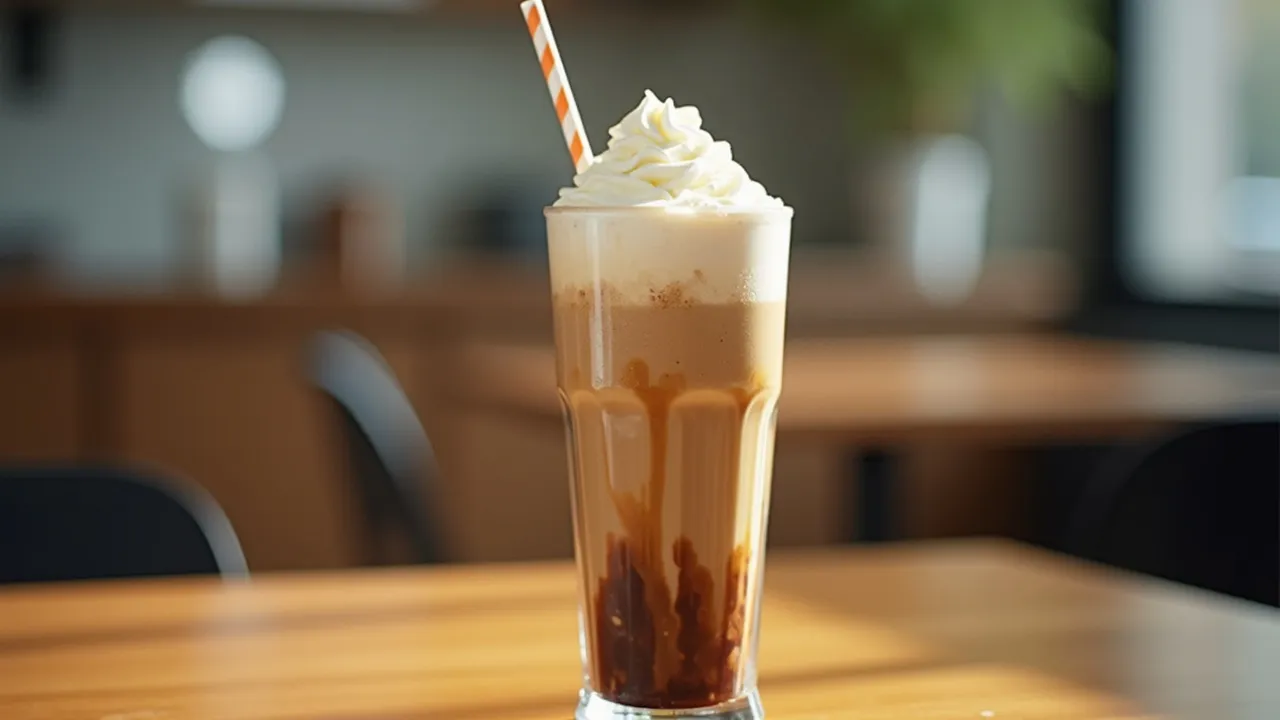
Indulge in the perfect blend of coffee and milkshake on National Coffee Milkshake Day, celebrated every July 26th. Discover the origins, recipes, and ways to enjoy this delicious treat.
The Historical Origins & Evolutionary Journey
National Coffee Milkshake Day, observed annually on July 26th, combines two beloved beverages into a single indulgent treat. The day was established in 2010 by a coalition of dairy and coffee industry groups to promote the consumption of coffee-flavored milkshakes, building on a long history of culinary innovation.
The Foundational Catalyst
The milkshake itself dates back to the late 19th century, when the term first appeared in print in 1885. Early milkshakes were alcoholic, but by the 1930s, ice cream-based shakes became popular. The addition of coffee came naturally, as coffee ice cream existed since the early 20th century. The first documented coffee milkshake recipe appeared in a 1940s diner menu, combining vanilla ice cream, cold brew, and milk.
The Legislative/Official Adoption
In 2010, the National Coffee Milkshake Day was officially proposed by a marketing campaign from the International Dairy Foods Association and the National Coffee Association. The date July 26th was chosen to coincide with peak summer, when cold treats are most appealing. The day gained traction through social media and chain promotions.
Modern Global Legacy
Today, National Coffee Milkshake Day is celebrated across the United States and increasingly worldwide. Coffee shops and fast-food chains offer special deals, while home enthusiasts share recipes online. The day has become a symbol of the fusion between coffee culture and dessert culture.
How to Celebrate National Coffee Milkshake Day
There are many ways to enjoy this day, from simple home recipes to elaborate cafe creations. Below are specific strategies for various contexts.
For Individuals and Families
- Make a classic coffee milkshake: Blend 2 cups vanilla ice cream, 1/2 cup cold brew coffee, and 1/4 cup milk until smooth. Top with whipped cream and a drizzle of chocolate syrup.
- Experiment with flavors: Add a shot of espresso, caramel syrup, or a pinch of cinnamon for variety.
- Host a milkshake party: Invite friends over and set up a toppings bar with sprinkles, nuts, and cookies.
For Schools and Organizations
- Organize a bake sale or milkshake fundraiser using coffee milkshakes.
- Educate students on the history of milkshakes and coffee with interactive demonstrations.
- Partner with local cafes for a discount day.
Global Traditions
In the United States, chains like Starbucks and McDonald's often release limited-time coffee milkshakes. In Japan, coffee milkshakes are often made with matcha or azuki beans. In Brazil, vitamina de café includes coffee and banana. In Italy, frappè al caffè is a popular summer treat.
Global Impact and Cultural Significance
National Coffee Milkshake Day has transcended its marketing origins to become a cultural phenomenon. As coffee consumption rises worldwide, milkshakes represent a playful entry point for non-coffee drinkers.
Coffee Culture Integration
In many countries, coffee milkshakes have become a staple on cafe menus. For example, in Australia, the "coffee shake" is a standard offering alongside flat whites. In the Middle East, cardamom-spiced coffee milkshakes are popular during Ramadan.
Economic Impact
The day generates significant sales for the dairy and coffee industries. In 2023, US coffee milkshake sales reached $350 million during July, with a 20% spike on the 26th.
Social Media Trends
Platforms like Instagram and TikTok see thousands of posts using #NationalCoffeeMilkshakeDay, often featuring visually appealing layered shakes with coffee ice cubes and whipped cream art.
Health and Nutritional Considerations
While delicious, coffee milkshakes are typically high in sugar and calories. However, healthier alternatives can be made.
Nutritional Profile
A standard 16-ounce coffee milkshake contains about 500 calories, 25g fat, and 60g sugar. Caffeine content varies from 50-150mg depending on coffee strength.
Dietary Modifications
- Low-calorie version: Use sugar-free ice cream, skim milk, and artificial sweetener.
- Dairy-free option: Substitute almond milk or coconut ice cream and use decaf coffee.
- High-protein shake: Add a scoop of vanilla protein powder and Greek yogurt.
Caffeine Sensitivity
Those sensitive to caffeine should opt for decaf coffee or reduce the amount. Pregnant individuals are advised to limit caffeine intake to 200mg per day.
Variations Around the World
Different cultures have put their own spin on the coffee milkshake. Here are notable variations:
- Italy: Frappè al caffè - uses espresso, gelato, and milk, often topped with cocoa powder.
- Thailand: Oliang shake - made with strong iced coffee, condensed milk, and crushed ice.
- Mexico: Licuado de café - blends coffee, milk, cinnamon, and vanilla with piloncillo sugar.
- France: Milk-shake au café - uses café au lait and vanilla ice cream.
- South Korea: Dalgona coffee shake - features whipped instant coffee mix on top of a milkshake base.
These variations highlight the adaptability of the coffee milkshake across palates.
Industry and Economic Significance
The coffee milkshake industry is a multi-billion dollar sector. National Coffee Milkshake Day serves as a catalyst for sales and innovation.
Major Players
Leading chains like Starbucks (Coffee Frappuccino), Dunkin' (Coffee Coolatta), and McDonald's (Coffee Milkshake) promote the day with limited-time offers. Independent cafes often create specialty shakes using single-origin beans.
Supply Chain
The day supports dairy farmers, coffee growers, and ice cream manufacturers. In 2022, the event boosted coffee imports by 8% during July.
Marketing Strategies
Brands use National Coffee Milkshake Day to launch new products. For example, in 2021, Häagen-Dazs released a coffee milkshake ice cream flavor. Social media contests with #CoffeeeMilkshakeDay encourage user-generated content.
Historical Timeline
The term "milkshake" is first recorded in print, referring to an alcoholic beverage.
The electric blender is invented, enabling modern milkshake preparation.
Coffee ice cream gains popularity in the United States, leading to early coffee milkshake recipes.
National Coffee Milkshake Day is first celebrated on July 26th, founded by dairy and coffee industry groups.
Major fast-food chains begin offering official coffee milkshake promotions on July 26th.
Home recipes for coffee milkshakes surge during the COVID-19 pandemic, with social media shares increasing 300%.