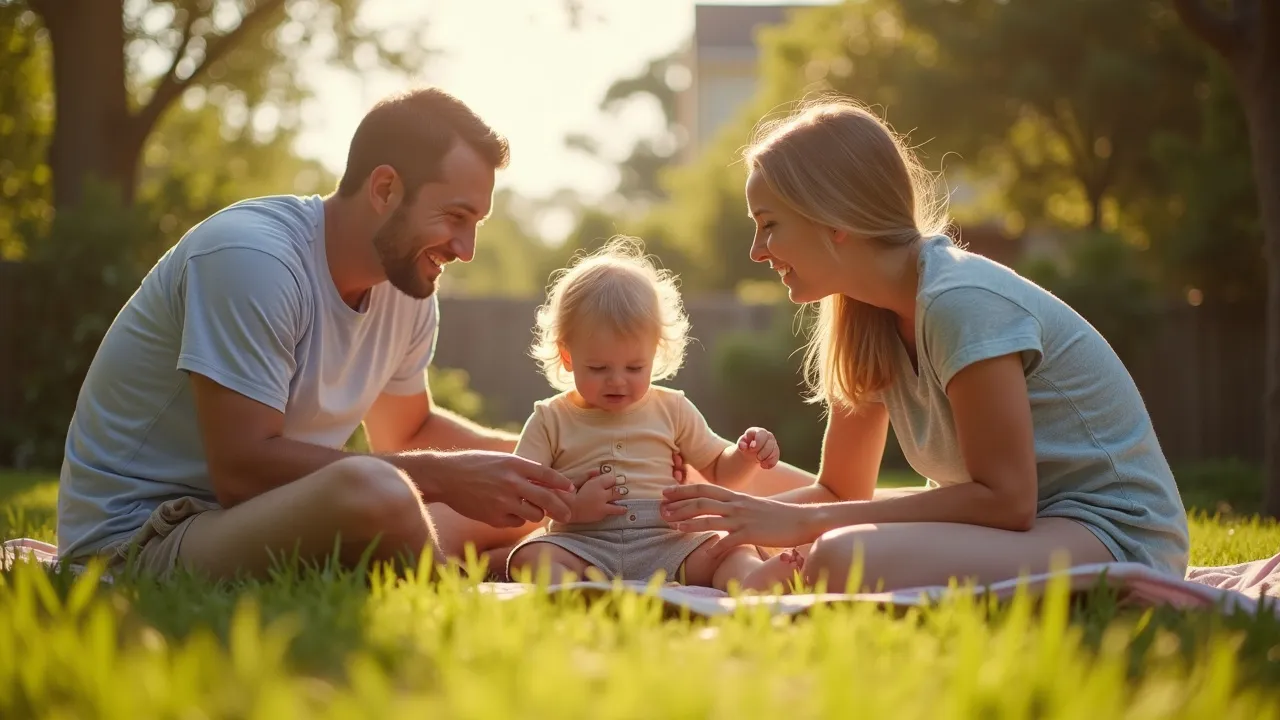
National Aunt and Uncle's Day on July 26 celebrates the special bond between aunts and uncles and their nieces and nephews. It's a day to honor the unique roles they play in families.
The Historical Origins & Evolutionary Journey
National Aunt and Uncle's Day, observed annually on July 26, is a relatively modern celebration that recognizes the indispensable contributions of aunts and uncles within the extended family structure. Unlike many holidays with ancient roots, this day was formally established in the early 21st century, yet the concept of honoring these relatives has deep historical underpinnings across cultures.
The Foundational Catalyst
The official establishment of National Aunt and Uncle's Day is credited to Kate Carpenter, a greeting card writer from Connecticut. In 2004, Carpenter sought to create a day that mirrored the recognition given to parents and grandparents, noting that aunts and uncles often serve as mentors, confidants, and second parents without formal acknowledgment. She launched a grassroots campaign through local newspapers and online communities, gathering support for a dedicated observance. The date July 26 was chosen as it falls a week after National Cousins Day (July 24) and two weeks after National Parents Day (fourth Sunday in July), creating a family-focused triad.
The Legislative/Official Adoption
While National Aunt and Uncle's Day has not been federally recognized by the U.S. Congress, it gained traction through state-level proclamations and widespread adoption by greeting card companies and family advocacy groups. By 2010, over 20 states had issued gubernatorial proclamations recognizing July 26 as a day to honor aunts and uncles. The day's inclusion in major calendar databases, such as Chase's Calendar of Events, solidified its national status. Internationally, similar observances emerged, with countries like Australia and the United Kingdom adopting their own versions, though often on different dates.
Modern Global Legacy
Today, National Aunt and Uncle's Day is celebrated across the United States and beyond. It has evolved into a day for gift-giving, family gatherings, and social media tributes. The holiday's growth reflects changing family dynamics, where aunts and uncles increasingly play pivotal roles in child-rearing, especially in blended families and communities where extended kin are essential support systems. The day also serves as a reminder of the historical importance of avuncular relationships in literature, folklore, and society—from the wise uncle in folktales to the nurturing aunt in Victorian novels.
How to Celebrate National Aunt and Uncle's Day
National Aunt and Uncle's Day offers countless ways to show appreciation. Whether you are a niece, nephew, or the honored aunt or uncle, engaging in meaningful activities strengthens family bonds. Below are actionable strategies to make the day special.
Personal Celebration Ideas
- Personalized Gifts: Create a photo album or scrapbook of shared memories. Handwritten letters expressing gratitude are deeply impactful.
- Quality Time: Plan a picnic, hike, or visit to a favorite spot. Cooking a meal together or watching a movie can be simple yet memorable.
- Digital Tributes: Post a heartfelt message on social media using hashtags like #NationalAuntAndUnclesDay. Share a childhood photo and explain how they influenced your life.
School and Community Involvement
Schools can incorporate the day by inviting aunts and uncles to share stories or participate in classroom activities. Libraries can host storytime sessions featuring books about extended families. Community centers may organize intergenerational potlucks.
Corporate and Organizational Activities
Workplaces can encourage employees to send cards or gift certificates to their aunts and uncles. Some companies offer a half-day off if employees volunteer with organizations supporting kinship caregivers—a nod to the many aunts and uncles who raise children informally.
International Variations
- India: While not widely observed, some families celebrate with a traditional meal and gift of sweets.
- United Kingdom: The day is growing through social media campaigns, with many choosing to call or video chat with far-away relatives.
- Australia: Some states combine it with National Grandparents Day (last Sunday of October) but maintain separate activities for aunts and uncles.
Regardless of location, the key is sincerity. A simple phone call or handwritten note can reinforce the message: aunts and uncles are cherished members of the family tree.
The Global Impact on Family Dynamics
The recognition of aunts and uncles as essential family pillars has profound social implications. In many cultures, these relatives are primary caregivers for children whose parents are absent due to migration, death, or economic necessity. National Aunt and Uncle's Day raises awareness of their contributions and the need for support systems.
Kinship Care and Statistics
According to the U.S. Census Bureau, over 2.5 million children in the United States live in households headed by relatives other than parents, with aunts and uncles being the most common kinship caregivers. These arrangements often occur informally, without legal or financial support. The day highlights the need for policies that assist kinship families, such as tax credits and respite care.
Cross-Cultural Perspectives
In Latin American cultures, the term "tío" extends beyond blood relatives to close family friends, reflecting the communitarian ethos. In African societies, uncles often hold special authority in matrilineal lineages. The day serves as a bridge, honoring both blood ties and chosen family. The holiday has also been adopted by LGBTQ+ communities to recognize the role of uncles and aunts in chosen families and surrogate parenting.
The Role of Aunts and Uncles in Modern Society
Aunts and uncles occupy a unique space in family trees—often seen as cool confidants or wise advisors. Modern research in developmental psychology underscores their importance. Studies show that children with active aunts and uncles have higher self-esteem and better social skills. This section explores contemporary dynamics.
Mentorship and Influence
Aunts and uncles frequently expose nieces and nephews to new interests, careers, and perspectives. They can provide a safe space for teenagers to discuss sensitive topics. The day encourages formalizing mentorship roles through programs like Big Brothers Big Sisters, where many volunteers are aunts and uncles.
Changing Definitions
With rising divorce rates and blended families, the definition of aunt and uncle has expanded. Step-aunts and step-uncles, as well as honorary titles for close friends, are now common. National Aunt and Uncle's Day celebrates all forms of these relationships. Social media campaigns like #NotBloodRelated highlight inclusivity.
Gift-Giving Etiquette and Ideas
Gifts are a traditional part of National Aunt and Uncle's Day. The key is to reflect the recipient's interests and the relationship's nature. Here are curated suggestions for different types of aunts and uncles.
For the Sentimental Aunt or Uncle
- A custom family tree print.
- A journal with prompts to share family history.
- A subscription to a genealogy service like Ancestry.com.
For the Cool, Young-at-Heart
- Concert tickets or a streaming service gift card.
- A high-quality audio book or podcast recommendation list.
- A curated box of craft beers or gourmet snacks.
DIY Gift Ideas
Handmade gifts often carry the most meaning. Consider baking their favorite cookies, painting a picture, or recording a video message from all the nieces and nephews. The effort shows thoughtfulness and care. Remember, the best gift is often undivided attention and gratitude expressed.
Representation in Media and Popular Culture
From literature to film, aunts and uncles have been portrayed in myriad ways—some wise, some quirky, some villainous. National Aunt and Uncle's Day is an opportunity to reassess these representations and appreciate their narrative impact.
Iconic Fictional Aunts and Uncles
- Uncle Ben (Spider-Man): The altruistic uncle whose mantra "With great power comes great responsibility" resonates across generations.
- Aunt May (Spider-Man): The nurturing figure who balances love and worry.
- Auntie Mame: The eccentric, life-loving aunt who teaches her nephew to embrace adventure.
- Uncle Iroh (Avatar: The Last Airbender): The wise uncle who guides his nephew with tea and philosophy.
These characters shape how society views aunts and uncles, often reinforcing their roles as mentors and sources of unconditional support. The day encourages media creators to continue portraying these relationships authentically.
Health and Well-Being Benefits of Aunt/Uncle Relationships
Scientific research has increasingly documented the positive health impacts of strong family ties. Aunts and uncles provide a buffer against stress and contribute to emotional resilience.
Psychological Benefits for Children
Studies from the University of Oxford indicate that children who have a close relationship with an aunt or uncle are 30% less likely to experience anxiety. These adults offer a different perspective from parents, often without the same disciplinary pressures. They can be confidants for topics a child may hesitate to discuss with parents.
Benefits for Aunts and Uncles
Interacting with nieces and nephews provides cognitive stimulation and a sense of purpose for adults. A 2019 study in the Journal of Family Psychology found that aunts and uncles who regularly babysit or mentor report higher life satisfaction and reduced rates of depression. The holiday promotes these interactions, encouraging regular check-ins and shared activities that bolster mental health.
Historical Timeline
Kate Carpenter, a greeting card writer from Connecticut, establishes National Aunt and Uncle's Day on July 26 after a grassroots campaign. The day gains initial traction through local media.
The day is first listed in major calendar databases, including Chase's Calendar of Events, marking its national recognition in the U.S.
Over 20 U.S. states issue official proclamations recognizing July 26 as National Aunt and Uncle's Day. The holiday begins to be covered by national greeting card companies.
Social media campaigns emerge, with #NationalAuntAndUnclesDay trending on Twitter for the first time. The day gains international attention from English-speaking countries.
The holiday is adopted by kinship care advocacy groups to raise awareness about the role of aunts and uncles in raising children without parents.
Australia and the United Kingdom start informal celebrations on July 26, though some regions adopt alternate dates. The day's global reach expands through digital campaigns.
Amid the COVID-19 pandemic, virtual celebrations surge, with video calls and online gift exchanges becoming popular. The day highlights the importance of family support systems.
National Aunt and Uncle's Day is celebrated with community events, school programs, and corporate initiatives. The holiday is now recognized in over 30 countries through social media and local proclamations.