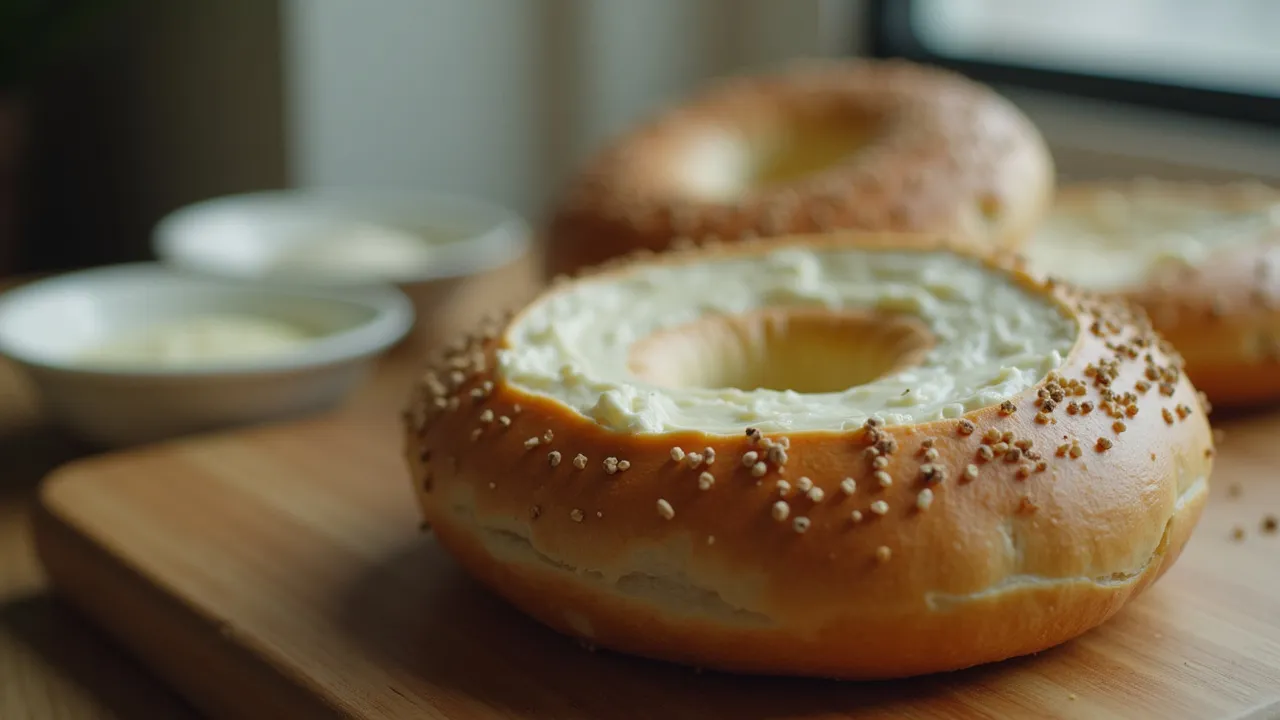
National Bagelfest Day on July 26th celebrates the beloved bagel, a ring-shaped bread with deep cultural roots. Discover its history, enjoy diverse toppings, and join the festivities.
The Historical Origins & Evolutionary Journey
National Bagelfest Day, observed annually on July 26th, honors one of the most iconic and versatile breads in the world: the bagel. The journey of the bagel from a humble eastern European staple to a global culinary phenomenon is a story of migration, innovation, and cultural adaptation. This section delves into the deep historical roots and the evolutionary track of the bagel, culminating in the establishment of a dedicated observance day.
The Foundational Catalyst
The bagel's origin is often traced to the Jewish communities of Poland in the early 17th century. The first known written reference to a bagel appears in the 1610 community regulations of Kraków, which mentioned beygl as a gift given to women after childbirth. The ring shape, often associated with the circle of life, was both symbolic and practical — it was easy to string on a stick for transport and storage. Bagels were a staple in Polish shtetl life, boiled before baking to create a dense, chewy interior and a shiny crust.
The Legislative/Official Adoption
As Jewish immigrants flocked to the United States in the late 19th and early 20th centuries, they brought bagel-making traditions. The bagel gained a foothold in New York City, where Lower East Side bakeries produced them by hand. However, it was the mid-20th century that saw bagels enter the American mainstream. In 1963, the first automated bagel-making machine was invented by Daniel Thompson, paving the way for mass production. The Bagel Institute, an industry trade group, officially founded National Bagelfest Day in 1996 to celebrate the bagel's cultural significance and economic impact. The date July 26th was selected to coincide with the peak of summer, encouraging outdoor gatherings and bagel-themed events.
Modern Global Legacy
Today, bagels are enjoyed worldwide, with regional variations that reflect local tastes. From the Montreal-style bagel (sweeter, denser, and often baked in wood-fired ovens) to the New York-style bagel (larger, chewier, and boiled in honey-water), the bagel has become a canvas for culinary creativity. National Bagelfest Day not only honors the traditional everything bagel but also celebrates modern innovations like rainbow bagels, gluten-free options, and bagel sandwiches. The observance has grown from a niche industry promotion to a nationwide celebration embraced by bakeries, restaurants, and home cooks alike.
How to Celebrate National Bagelfest Day
National Bagelfest Day offers a perfect opportunity to indulge in this ring-shaped delight and explore its many variations. Whether you are a bagel connoisseur or a curious newcomer, here are definitive strategies to celebrate, compiled from traditions across the globe.
For Individuals and Families
- Host a Bagel Brunch: Invite friends and family over for a bagel bar featuring a variety of bagel flavors (plain, sesame, poppy, cinnamon raisin) and spreads (cream cheese, lox, avocado, butter).
- Try a New-To-You Bagel Style: Seek out a bagel from a different region. Order Montreal-style bagels online or visit a local bakery that bakes in a wood-fired oven.
- Bake Your Own Bagels: Follow a traditional recipe to make bagels from scratch. Boil them in water with a touch of malt syrup, then bake until golden. Experiment with toppings like everything seasoning or asiago cheese.
- Organize a Bagel Tasting: Purchase bagels from different bakeries and compare textures, crusts, and flavors. Rate them on a scorecard.
For Schools and Organizations
- Bagel Education Day: Incorporate a short lesson on the history of bagels, including their migration from Poland to the U.S. and the science of dough fermentation.
- Bagel Fundraiser: Sell bagel sandwiches or bagel packs to raise money for a local cause.
- Bagel Art Contest: Encourage students to create bagel-themed artwork, from mosaics using dried bagels to drawings of bagel landscapes.
Corporate and Community Celebrations
- Office Bagel Breakfast: Provide a selection of bagels and spreads for employees. Include a note about the day's history.
- Bagel Crawl: In cities with multiple bagel shops, organize a walking tour that stops at different bakeries for tastings.
- Social Media Challenge: Post a photo of your most creative bagel topping combo with the hashtag #NationalBagelfestDay. Encourage followers to do the same.
Global Traditions: In Poland, bagels are often enjoyed with butter or cheese; in Israel, they are eaten with za'atar; in Japan, bagels are sometimes filled with sweet red bean paste. Adapt your celebration to incorporate international flavors.
Global Impact & Cultural Variations
The bagel has transcended its origins to become a global food icon, influencing cuisines and economies worldwide. This section explores the cultural exchange and economic footprint of bagels.
The Spread Beyond North America
While the United States and Canada are the epicenters of bagel culture, the treat has found a home in many other countries. In the United Kingdom, bagels (often spelled beigels) are particularly popular in London's Jewish quarter, with a lighter texture. In Australia, bagels have been embraced as a breakfast staple, often filled with Australian native ingredients like macadamia cream cheese. South Korea has seen a surge in bagel cafes, offering flavors like green tea and sweet potato.
Economic Significance
The bagel industry in the U.S. alone is worth over $4 billion annually, with major players like Lender's, Thomas', and Einstein Bros. bagels. National Bagelfest Day boosts sales at bakeries and grocery stores, with many offering discounts or special flavors. The day also highlights the importance of small, artisanal bagel shops that preserve traditional methods.
Cultural Representation
Bagels have permeated popular culture, appearing in films like When Harry Met Sally... (the bagel scene) and TV shows like Seinfeld (Jerry's love of bagels). They are often used as a symbol of Jewish identity and urban sophistication. National Bagelfest Day reinforces this cultural footprint, encouraging people to explore the bagel's role in culinary heritage.
Bagel Varieties: A World of Rings
One of the joys of National Bagelfest Day is exploring the incredible diversity of bagels. While the classic New York-style bagel is the most famous, countless regional and artisanal variations exist. Below is a comprehensive list of bagel styles from around the world.
Regional Styles
- New York-Style: Large, puffy, with a shiny crust and a chewy interior. Boiled in water with barley malt. Commonly topped with sesame, poppy, or garlic.
- Montreal-Style: Smaller, denser, and sweeter. Boiled in honey-sweetened water and baked in a wood-fired oven. Often topped with sesame or everything seasoning.
- St. Louis-Style: Made with a denser dough and often contains eggs. The bagel is formed by hand, but has a different crumb structure.
- Overnight Bagels: A modern artisanal method that uses a long, cold fermentation to develop complex flavors.
Unique Flavors and Toppings
- Everything Bagel: A mix of sesame, poppy, garlic, onion, and salt.
- Asiago Cheese: Grated Parmesan or Asiago baked into the crust.
- Jalapeño Cheddar: Spicy and savory, popular in the Southwestern U.S.
- Rainbow Bagel: A colorful creation dyed with food coloring, made famous by The Bagel Store in Brooklyn.
- Gluten-Free & Vegan Bagels: Made with alternative flours and without animal products, catering to dietary restrictions.
Bagels can also be served in many ways: sliced and toasted, as a sandwich base (e.g., lox and cream cheese), or as a dessert (e.g., with chocolate spread and fruit). The versatility of the bagel is a key reason for its enduring popularity.
The Bagel Industry: Economics & Trends
National Bagelfest Day not only celebrates the bagel as a food but also recognizes its economic engine. From small neighborhood bakeries to multinational corporations, the bagel industry is a significant player in the food sector.
Major Players
The U.S. bagel market is dominated by brands such as Lender's Bagels (owned by Conagra Brands), Thomas' Bagels (Bimbo Bakeries USA), and Einstein Bros. Bagels (a chain with over 600 locations). Additionally, regional chains like Bruegger's Bagels and Panera Bread have made bagels a core offering. The industry has seen steady growth, driven by the bagel's reputation as a convenient, flavorful breakfast option.
Innovations and Trends
- Artisanal Revival: A movement toward small-batch, hand-rolled bagels using traditional methods. Bakeries like Montreal's St-Viateur Bagel and New York's Russ & Daughters exemplify this trend.
- Health-Conscious Options: Whole wheat, sprouted grain, and low-carb bagels (using cauliflower or almond flour) are gaining popularity.
- Bagel Dogs and Bagel Chips: Innovations that extend the bagel concept into new snack categories.
- Direct-to-Consumer: Online ordering of fresh or frozen bagels shipped nationally, allowing consumers to access distant bagel styles.
Challenges
The bagel industry faces challenges including increasing competition from other breakfast items (e.g., avocado toast, croissants) and rising costs of ingredients. However, National Bagelfest Day serves as a promotional tool to reinforce bagel's place in the market.
Health and Nutritional Aspects of Bagels
While bagels are beloved for their taste and texture, they also have a nutritional profile that can be part of a balanced diet. This section outlines the health considerations of bagels, especially relevant for those observing National Bagelfest Day with mindfulness.
Nutritional Profile
A typical medium-sized plain bagel (about 3 ounces) contains approximately 250 calories, 50 grams of carbohydrates, 9 grams of protein, 1-2 grams of fat, and 2 grams of fiber. Bagels are a good source of B vitamins, iron, and selenium. However, they are often high in sodium and low in fiber unless made with whole grains.
Health Tips and Variations
- Choose Whole Grain: Whole wheat or rye bagels offer more fiber and nutrients.
- Watch the Toppings: Cream cheese adds about 100 calories per ounce. Opt for low-fat spreads, avocado, nut butter, or smoked fish for healthier fats.
- Portion Control: Many bagels are large (equivalent to 4-5 slices of bread). Consider eating half or choosing mini bagels.
- Low-Carb Options: For those on ketogenic diets, there are bagels made from almond flour or coconut flour.
Dietary Considerations
Bagels are typically made from wheat flour, so they are not gluten-free unless specifically made with alternative flours. Vegan bagels are common (without eggs or dairy), but some varieties use butter or eggs. National Bagelfest Day encourages inclusivity by offering options for various diets.
Historical Timeline
First known written reference to a 'beygl' (bagel) appears in the community regulations of Kraków, Poland, describing it as a gift given to women after childbirth.
Jewish immigrants from Poland and Eastern Europe arrive in the United States, bringing bagel-making traditions. Bagels are sold from pushcarts on the Lower East Side of New York City.
The International Beigel Bakers Union is founded in New York, establishing the first formal standards for bagel production.
Daniel Thompson invents the first automated bagel-making machine, allowing mass production and wider distribution.
Lender's Bagels introduces frozen bagels to supermarkets nationwide, making bagels a household staple.
The Bagel Institute establishes National Bagelfest Day, observed on July 26th, to promote bagel culture and industry.
Artisanal bagel shops resurge, emphasizing traditional hand-rolled methods and wood-fired ovens, such as St-Viateur Bagel in Montreal and Russ & Daughters in NYC.
Rainbow bagels become a viral phenomenon, popularized by The Bagel Store in Brooklyn. Gluten-free and vegan bagels gain traction.
National Bagelfest Day sees record participation, with over 10,000 bakeries across the U.S. offering special deals, and social media posts amassing millions of impressions.