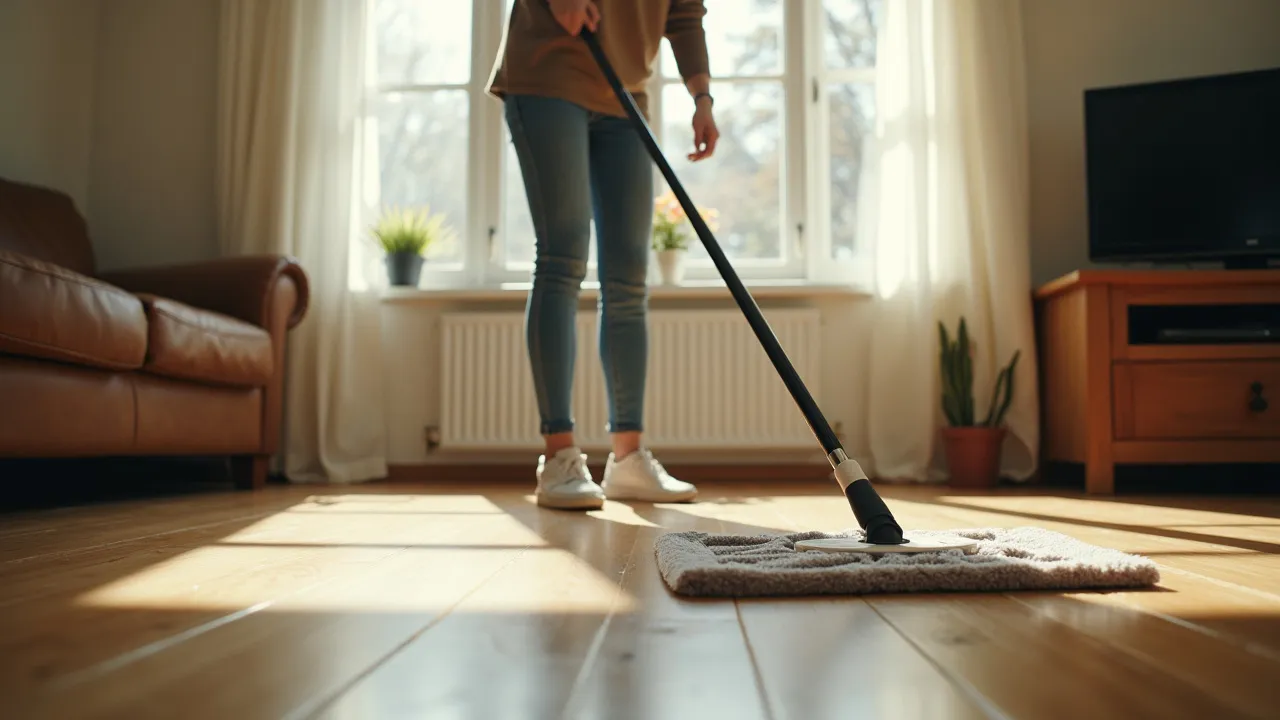
National Clean Your Floors Day on August 3rd encourages a thorough floor cleaning routine. Discover its history, best practices, and global impact for healthier homes.
The Historical Origins & Evolutionary Journey
National Clean Your Floors Day, observed annually on August 3rd, is a relatively modern observance that emerged from the growing awareness of home hygiene and the cleaning industry's promotional efforts. Unlike ancient festivals tied to seasonal cleaning, this day was popularized in the early 2000s through social media and online calendars, aiming to encourage regular floor maintenance for health and aesthetic benefits.
The Foundational Catalyst
The late 20th century saw a surge in household cleaning products and tools, from disposable mop pads to robotic vacuums. Companies like Procter & Gamble and SC Johnson recognized an opportunity to create a dedicated day that would drive consumer engagement. The exact originator remains unclear, but the day gained traction around 2000 as a grassroots movement among cleaning enthusiasts and bloggers.
The Legislative/Official Adoption
Unlike federal holidays, National Clean Your Floors Day is not a government-recognized event. It is listed in many national day databases and embraced by cleaning brands for marketing campaigns. Some municipalities have issued proclamations acknowledging the day, but it remains a unofficial observance driven by consumer culture.
Modern Global Legacy
Today, the day is celebrated across the United States and increasingly in other countries through social media hashtags, cleaning challenges, and sales on floor care products. It has evolved to include discussions on sustainable cleaning practices, such as using vinegar and baking soda instead of harsh chemicals.
How to Celebrate National Clean Your Floors Day
Celebrating National Clean Your Floors Day is a hands-on affair that goes beyond a simple sweep. Here are specific strategies for individuals, families, schools, and organizations to embrace the day fully.
For Homeowners and Renters
- Step 1: Declutter – Remove all furniture and rugs to access every inch of flooring.
- Step 2: Choose the Right Method – For hardwood, use a damp mop with a pH-neutral cleaner; for tile, a mild bleach solution; for carpet, a steam cleaner.
- Step 3: Deep Clean – Pay attention to corners, under appliances, and baseboards. Use a grout brush for tile lines.
- Step 4: Protect and Maintain – Apply a floor wax or sealant to hardwood, and place doormats at entrances.
For Schools and Offices
- Organize a floor cleaning contest where teams compete for the shiniest floors.
- Invite a professional cleaner to give a workshop on proper techniques.
- Schedule a deep clean of all common areas, especially kitchens and restrooms.
Global Traditions and Variations
In Japan, the day aligns with the traditional "osouji" big cleaning before New Year, but a special focus on floors is encouraged. In Sweden, communities often host "clean floor parties" where neighbors share vacuums and mops. In Brazil, the day is used to pre-celebrate spring cleaning in August (their winter month).
Health and Hygiene Benefits of Clean Floors
Clean floors are critical for indoor air quality and overall health. Dust mites, pet dander, pollen, and mold spores accumulate on floors, especially in carpets. Regular cleaning reduces allergens and prevents respiratory issues.
Reduction of Allergens
A study by the American Lung Association found that vacuuming with a HEPA filter can reduce airborne allergens by up to 70%. Mopping removes sticky residues that trap particles.
Preventing Slips and Falls
Spills and grease buildup make floors slippery. On National Clean Your Floors Day, emphasize the importance of immediate spot cleaning and proper drying to prevent accidents.
For Households with Children and Pets
- Use non-toxic cleaners, as kids and pets often crawl or lick floors.
- Steam cleaning kills bacteria like E. coli without chemicals.
Types of Flooring and Cleaning Methods
Different flooring materials require specific care to avoid damage. National Clean Your Floors Day is an opportunity to educate on proper maintenance.
Hardwood Floors
Use a microfiber mop and a cleaner designed for wood. Never soak wood; standing water causes warping. Periodic refinishing is recommended every 5–7 years.
Tile and Grout
Tile can withstand more water, but grout is porous. Use a stiff brush and a mixture of baking soda and vinegar to whiten grout lines. Seal grout annually.
Carpet and Rugs
Vacuum at least twice a week, and deep clean every 12–18 months using a steam cleaner or professional service. Spot clean stains immediately.
Laminate and Vinyl
These are durable but can scratch. Sweep daily and damp mop with a mild cleaner. Avoid abrasive pads.
Natural Stone (Marble, Granite)
Stone requires pH-neutral cleaners. Acidic substances like lemon juice can etch the surface. Seal yearly.
Environmental Impact of Floor Cleaning Products
Conventional floor cleaners often contain volatile organic compounds (VOCs), phosphates, and synthetic fragrances that harm aquatic life when washed down drains. National Clean Your Floors Day promotes eco-friendly alternatives.
Green Cleaning Solutions
- Vinegar and Water – Effective for most sealed floors; ratio 1:10.
- Baking Soda Paste – For stubborn stains on tile or grout.
- Castile Soap – Biodegradable and safe for hardwood.
Reducing Plastic Waste
Opt for reusable microfiber cloths and mop pads instead of disposable wipes. Look for concentrates in recyclable packaging.
Manufacturer Responsibility
Many brands now offer refill stations or concentrated tablets to reduce plastic. The day serves as a reminder to support sustainable companies.
Economic Significance of the Floor Cleaning Industry
The floor cleaning industry is a multi-billion dollar sector encompassing equipment, chemicals, and services. National Clean Your Floors Day drives consumer spending and innovation.
Market Trends
According to a 2023 report, the global floor cleaning market was valued at $12.5 billion, with a CAGR of 5.2%. Robotic vacuums and smart mops are the fastest-growing segments.
Job Creation
The day also highlights professional cleaning services, from residential maids to industrial floor technicians. In the US alone, over 1 million people work in the cleaning industry.
Promotions and Sales
Major retailers offer discounts on vacuums, mops, and cleaning solutions on August 3rd, making it a second "Black Friday" for cleaning products.
Future of Floor Cleaning: Technology and Sustainability
As technology advances, floor cleaning becomes more efficient and eco-conscious. National Clean Your Floors Day encourages adoption of these innovations.
Robotic Cleaners
Devices like Roomba and Braava now map rooms, avoid obstacles, and self-empty. Future models will use AI to detect stains and adjust cleaning patterns.
Water-Saving Steam Mops
New steam mops use less water and higher temperatures to sanitize without chemicals. Some have built-in timers to reduce energy consumption.
Biodegradable Cleaning Tablets
Companies like Blueland sell dissolvable tablets that reduce packaging waste. A simple spray bottle lasts years.
Community Cleaning Events
Neighborhood groups organize "clean floor days" where residents collectively deep-clean public spaces, promoting civic pride and hygiene.
Historical Timeline
Primitive carpet sweepers are invented, marking floor cleaning's mechanization.
Hubert Cecil Booth patents the vacuum cleaner, revolutionizing floor maintenance.
The first electric floor polisher is introduced for home use.
National Clean Your Floors Day is first observed, promoted by cleaning product manufacturers.
The day gains traction on early online national day calendars and forums.
Social media campaigns like #CleanYourFloorsDay go viral, with influencers sharing cleaning tutorials.
The COVID-19 pandemic increases focus on floor sanitation, boosting the day's prominence.