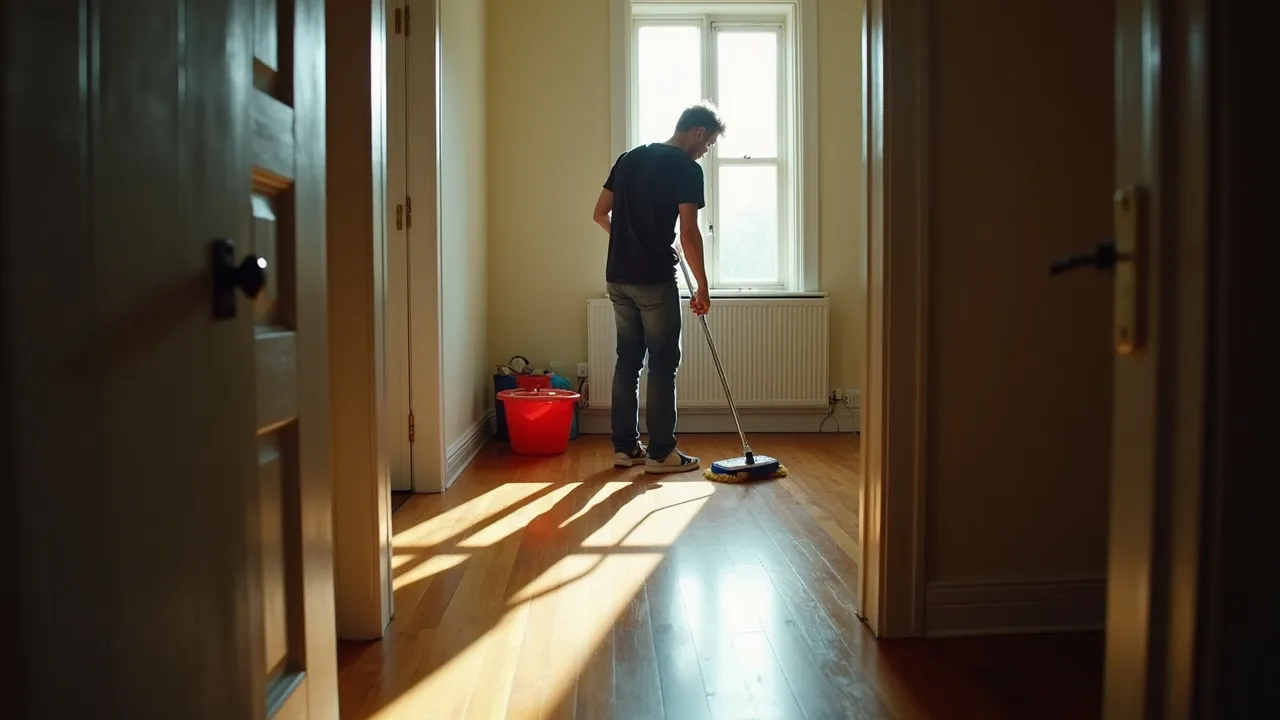
Observed annually on August 3rd, Clean Your Floors Day encourages everyone to deep-clean and maintain their flooring. From sweeping to scrubbing, this day promotes a healthier home environment.
The Historical Origins & Evolutionary Journey
Clean Your Floors Day, observed on August 3rd, has its roots in centuries-old domestic traditions. While not officially founded by any single person or organization, the day emerged from grassroots home care advocates and cleaning product manufacturers in the early 2000s, aiming to highlight the importance of floor maintenance for health and aesthetics.
The Foundational Catalyst
Indoor cleanliness has been a concern since ancient times. In ancient Rome, floors were often swept and scrubbed with vinegar solutions. The Industrial Revolution introduced mass-produced cleaning tools like the broom and mop. By the mid-20th century, vacuum cleaners became household staples, and the concept of a dedicated floor cleaning day gained traction in home economics literature.
The Legislative/Official Adoption
Clean Your Floors Day has never been officially recognized by any government. Instead, it was popularized through social media campaigns, home improvement blogs, and cleaning product companies. In 2012, a coalition of cleaning enthusiasts promoted August 3rd as a national day of action, encouraging communities to share cleaning tips and before-and-after photos.
Modern Global Legacy
Today, Clean Your Floors Day is celebrated in various forms worldwide. In Japan, it aligns with Oharai (grand cleaning) traditions. In Sweden, it coincides with Storstädning (big cleaning) weekends. The day has evolved into a platform for advocating eco-friendly cleaning methods, reducing indoor allergens, and promoting mindfulness through domestic chores.
How to Celebrate Clean Your Floors Day
Celebrating Clean Your Floors Day involves more than just a quick sweep. Follow this definitive guide to transform your floors and your home environment.
Step-by-Step Deep Clean Routine
- Declutter: Remove furniture, rugs, and debris from the floor.
- Dry Clean: Sweep or vacuum thoroughly to remove dust and dirt. Use attachments for edges and corners.
- Spot Treat: Address stains with appropriate cleaners (e.g., baking soda for carpet, vinegar for tile).
- Wash: Mop with a suitable solution (pH-neutral for hardwood, bleach-based for grout).
- Dry and Polish: Allow floors to air dry, then buff or polish as needed.
Interactive Traditions Worldwide
- Japan: Families engage in Osouji, a thorough cleaning of tatami mats with special bamboo brushes.
- Italy: Homemakers use a traditional mix of white vinegar and olive oil for shining marble floors.
- India: A mix of neem oil and water is used to disinfect and repel insects.
Corporate and Social Rituals
Many companies organize floor cleaning workshops or provide stipends for professional cleaning services. Schools often incorporate floor cleaning into their curriculum, teaching children the value of environmental hygiene. Social media challenges encourage users to post transformation videos using hashtags like #CleanYourFloorsDay.
The Multifaceted Benefits of Clean Floors
Clean floors go beyond appearances, impacting health, safety, and even mood.
Health and Allergen Reduction
Regular floor cleaning reduces dust mites, pet dander, and pollen, lowering allergy symptoms and respiratory issues. A 2018 study by the American Lung Association found that homes with weekly mopping had 30% fewer airborne allergens.
Indoor Air Quality
Floors act as a sink for pollutants. Proper cleaning removes these particles, improving indoor air quality. Use of HEPA-filter vacuums and microfiber mops captures smaller particles effectively.
Safety and Longevity
Clean, dry floors prevent slips and falls. Removing grit and debris extends the life of flooring materials. For example, regular dusting of hardwood prevents scratches, while prompt spill cleanup prevents stains and warping.
Psychological Well-being
A clean floor contributes to a sense of order and calm. The act of cleaning can be meditative, reducing stress. Surveys show that people feel more productive and relaxed in a clean space.
Types of Flooring and Tailored Care
Different flooring materials require specific care. Here's a guide to maintaining common floor types.
Hardwood
- Cleaning: Use a dry mop or vacuum with a hard floor setting. Damp mop with a wood-safe cleaner. Avoid excess water.
- Maintenance: Refinish every 5-10 years. Use felt pads under furniture.
Carpet
- Cleaning: Vacuum weekly with a beater bar. Deep clean with a steam cleaner every 12-18 months.
- Stain Removal: Blot spills immediately; use club soda for red wine, baking soda for grease.
Tile and Grout
- Cleaning: Sweep or vacuum daily. Mop with a mixture of water and mild detergent. Scrub grout with a toothbrush and baking soda paste.
- Sealing: Apply grout sealer annually to prevent staining.
Vinyl and Laminate
- Cleaning: Sweep or dust mop. Use a damp mop with a gentle cleaner. Avoid abrasive tools.
- Water Damage: Wipe up spills immediately to prevent bubbling or warping.
Environmental Impact of Floor Cleaning Products
The choice of cleaning products affects both your home and the planet.
Conventional vs. Eco-friendly
Many commercial cleaners contain volatile organic compounds (VOCs), phosphates, and synthetic fragrances that can harm aquatic life and contribute to indoor pollution. Eco-friendly alternatives use plant-based ingredients, biodegradable surfactants, and minimal packaging.
DIY Cleaners
Simple mixtures are effective and sustainable:
- All-purpose floor cleaner: 1/4 cup white vinegar + 1 gallon warm water (for tile and laminate; avoid on unsealed stone).
- Glass and mirror cleaner: 1 cup water + 1 cup rubbing alcohol + 1 tbsp vinegar.
- Wood polish: 1/4 cup olive oil + 1/4 cup vinegar + 2 cups water.
Waste Reduction
Use reusable microfiber cloths instead of disposable wipes. Choose concentrates or refillable bottles. Recycle packaging.
Future Trends in Floor Care
The floor cleaning industry is evolving with technology and sustainability.
Robotic Vacuums and Mops
Devices like Roomba and Braava now combine vacuuming and mopping, with smart mapping to clean efficiently. Future models may incorporate self-emptying bins and chemical-free steam cleaning.
Smart Sensors
Integrated sensors in flooring can detect spills, dirt levels, and foot traffic, triggering automated cleaning. This is particularly relevant for commercial spaces.
Biodegradable and Self-Cleaning Materials
Research into photocatalytic coatings that break down dirt when exposed to light could reduce cleaning frequency. Meanwhile, biodegradable floor finishes derived from plant waxes are gaining popularity.
Historical Timeline
Floors cleaned with vinegar and sand; early mosaic floors scrubbed with pumice.
Ives McGaffey patents the first manual vacuum cleaner, the 'Whirlwind'.
Hubert Cecil Booth invents the first powered vacuum cleaner, running on a gas engine.
Wall-to-wall carpeting becomes popular, spurring the invention of upright vacuum cleaners with beater bars.
Dyson launches the first bagless cyclone vacuum cleaner, revolutionizing floor care.
Steam mops gain popularity for chemical-free cleaning of hard floors.
Social media campaigns declare August 3rd as Clean Your Floors Day, encouraging global participation.
Robotic floor cleaners become mainstream, with models capable of both vacuuming and mopping.