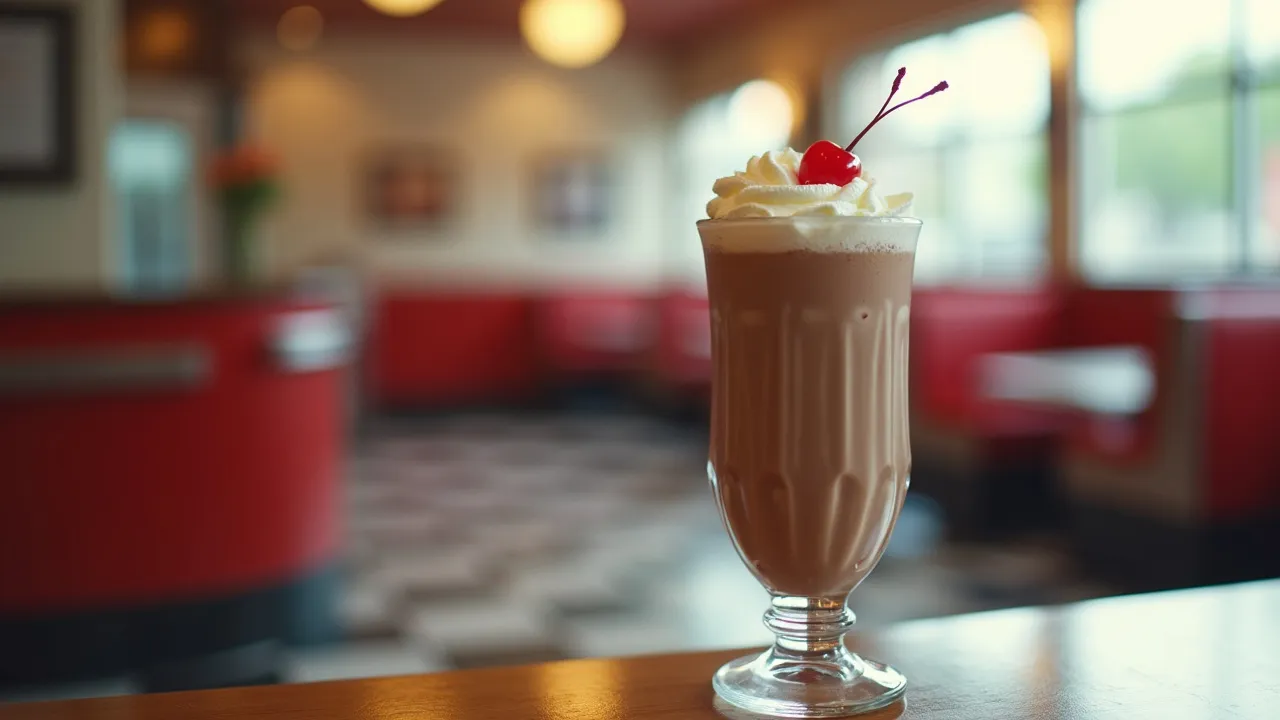
National Chocolate Milkshake Day, observed on September 12th, is a celebration of the rich, creamy chocolate shake. This day honors a beloved beverage that has been a staple of American diners and soda fountains for over a century.
The Historical Origins & Evolutionary Journey
National Chocolate Milkshake Day, observed each year on September 12th, pays homage to one of the most beloved indulgences in American culinary history. The chocolate milkshake has evolved from a simple mixture of chocolate syrup and milk into a globally recognized symbol of comfort and nostalgia.
The Foundational Catalyst
The milkshake's origins trace back to the late 19th century, when the term first appeared in print in 1885. At that time, a milkshake was an alcoholic beverage, often made with eggs and whiskey. It wasn't until the development of the electric blender in the 1920s that the modern milkshake emerged. The addition of chocolate syrup transformed the drink into a non-alcoholic treat, especially after the invention of a commercial chocolate syrup by the Hershey Company in 1926. The chocolate milkshake quickly became a staple of soda fountains and drugstore counters across America.
The Legislative/Official Adoption
While there is no official government proclamation for National Chocolate Milkshake Day, the day was popularized by the dairy industry and the National Day Calendar in the mid-20th century. It is widely recognized in the United States as a day to enjoy chocolate milkshakes, often promoted by ice cream parlors, fast-food chains, and dairy councils. The date September 12th was chosen to coincide with the back-to-school season and the tail end of summer, making it a perfect excuse for one last cold treat before autumn.
Modern Global Legacy
Today, National Chocolate Milkshake Day is celebrated not only in the United States but also in other countries where chocolate milkshakes are popular. The day has inspired countless variations, from vegan almond-milk shakes to extravagant creations topped with brownies and candy. Social media plays a significant role, with users posting photos of their shakes under hashtags like #ChocolateMilkshakeDay. The day also serves as a marketing opportunity for restaurants and dairy brands, who often offer special deals or introduce new flavors.
How to Celebrate National Chocolate Milkshake Day
Celebrating National Chocolate Milkshake Day on September 12th is easy and delicious. Whether you're a home cook, a student, or a business owner, there are numerous ways to participate in this creamy celebration.
For Individuals and Families
- Make a Classic Chocolate Milkshake: Combine 2 cups of chocolate ice cream, 1/2 cup of milk, and 2 tablespoons of chocolate syrup. Blend until smooth, then pour into a tall glass. Top with whipped cream and a cherry.
- Experiment with Variations: Try adding a teaspoon of instant coffee for a mocha twist, or blend in a banana for a thicker texture. For a dairy-free version, use coconut milk ice cream and almond milk.
- Host a Milkshake Party: Invite friends over and set up a milkshake bar with different ice cream flavors, syrups, and toppings like sprinkles, crushed cookies, and candy.
For Schools and Organizations
- Dairy Education Event: Partner with a local dairy to educate students about milk production and the history of milkshakes.
- Fundraiser: Sell chocolate milkshakes at a booth, with proceeds going to a charitable cause.
- Recipe Contest: Encourage participants to create unique chocolate milkshake recipes, judged by a panel.
Global Celebrations
In the United States, many diners and fast-food chains offer discounts or free milkshakes. In the United Kingdom, some cafes celebrate with "Freakshakes" - over-the-top milkshakes loaded with cake, doughnuts, and candy. In Japan, chocolate milkshakes are often made with matcha or black sesame for a unique twist.
The Science of the Perfect Chocolate Milkshake
Creating the perfect chocolate milkshake is a balance of chemistry and palate. The ideal milkshake should be thick enough to hold a straw upright but fluid enough to sip effortlessly.
Key Ingredients
- Ice Cream: Use a high-fat ice cream (at least 14% milk fat) for a creamy texture. The fat content affects mouthfeel and keeps the shake from becoming watery.
- Milk: Whole milk adds richness, but you can adjust the ratio of ice cream to milk to control thickness. A standard ratio is 2:1 ice cream to milk.
- Chocolate: Use a combination of chocolate syrup and cocoa powder for depth of flavor. The syrups adds sweetness, while cocoa provides a more complex, slightly bitter note.
Blending Technique
Blend on low speed for 15 seconds to combine ingredients, then increase to high for 30 seconds. Over-blending introduces too much air, making the shake frothy. For a thicker shake, freeze the glass beforehand or use frozen milk cubes.
Temperature and Consistency
The ideal serving temperature is around 20°F (-6°C). Too warm, and the shake becomes soup; too cold, and it's impossible to drink. Adding a pinch of salt can enhance the chocolate flavor and lower the freezing point slightly.
Global Variations of the Chocolate Milkshake
While the classic chocolate milkshake is an American icon, cultures around the world have put their own spin on this creamy beverage.
North America
In the United States, regional chains like In-N-Out Burger offer secret-menu milkshakes blended with extra syrup. In Canada, some ice cream shops add maple syrup for a distinctly local flavor.
Latin America
In Mexico, a chocolate milkshake often includes cinnamon and a touch of chili powder for a spicy kick. In Brazil, it's common to add condensed milk, making the shake exceptionally sweet and thick.
Europe
In Italy, the "frappè" is made with gelato rather than ice cream, resulting in a denser, silkier texture. French versions sometimes include a splash of espresso for a café au lait-inspired shake. In Germany, milkshakes are often called "Milchshake" and can be found with chocolate, vanilla, or strawberry.
Asia
In Japan, convenience stores sell bottled chocolate milkshakes that are lighter and less creamy. Taiwanese bubble tea shops offer chocolate milkshakes with tapioca pearls. In India, the chocolate shake is often made with malai (cream) and topped with crushed dry fruits.
Health and Nutrition: Enjoying in Moderation
A typical 16-ounce chocolate milkshake contains around 500-600 calories, with 20-30 grams of fat and 70-80 grams of sugar. While it's a treat best enjoyed occasionally, there are ways to make it healthier without sacrificing taste.
Healthier Alternatives
- Low-Fat Version: Use low-fat ice cream or frozen yogurt, and skim milk. Reduce the chocolate syrup by half.
- Vegan/Dairy-Free: Use almond milk or oat milk, and dairy-free chocolate ice cream made from coconut or cashew cream.
- Protein Boost: Add a scoop of chocolate protein powder and use milk with higher protein content to turn the shake into a post-workout recovery drink.
- Natural Sweeteners: Replace syrup with dates or a ripe banana for sweetness without refined sugar.
Nutritional Considerations
For those with lactose intolerance, lactase supplements can help. Chocolate milkshakes can also be a source of calcium and vitamin D if made with fortified milk. Moderation is key, but on National Chocolate Milkshake Day, indulging in the real thing is part of the celebration.
Cultural Impact and Iconic Moments
The chocolate milkshake has left an indelible mark on popular culture, from movies to marketing.
In Film and Television
One of the most iconic milkshake scenes occurs in the 1994 film Pulp Fiction, where Vincent Vega and Mia Wallace discuss the $5 milkshake at Jackrabbit Slim's. The shake became a symbol of 1950s nostalgia and luxurious simplicity. In the TV show Stranger Things, characters are often seen sipping milkshakes at the local diner, reinforcing the association with small-town Americana.
In Advertising
Fast-food chains like McDonald's and Burger King have used chocolate milkshakes in ads for decades. The "Shamrock Shake" (green mint) is a seasonal variation that generates immense hype each March. National Chocolate Milkshake Day itself is heavily promoted on social media by brands like Dairy Queen and Baskin-Robbins.
As a Symbol
Milkshakes often represent comfort, childhood, and simpler times. They are a staple of retro-themed diners and are frequently used in marketing to evoke nostalgia. The milkshake also appears in music, most famously in Kelis's 2003 hit "Milkshake," though that song is about gender dynamics rather than the beverage itself.
Historical Timeline
The term 'milkshake' first appears in print, referring to an alcoholic beverage containing eggs and whiskey.
Stephen Poplawski invents the electric blender, paving the way for modern milkshakes.
The Hershey Company introduces a commercial chocolate syrup, making chocolate milkshakes accessible to soda fountains.
Milkshakes become a staple of drugstore soda fountains and diners across the United States.
National Chocolate Milkshake Day is first celebrated, promoted by the American Dairy Association.
Fast-food chains like McDonald's incorporate milkshakes into their menus, popularizing them nationwide.
The film 'Pulp Fiction' features a famous scene revolving around a $5 milkshake, cementing its cultural status.
Social media and food blogs give rise to 'freakshakes' and artisanal variations, boosting the day's popularity.
National Chocolate Milkshake Day is officially recognized by the National Day Calendar in the United States.