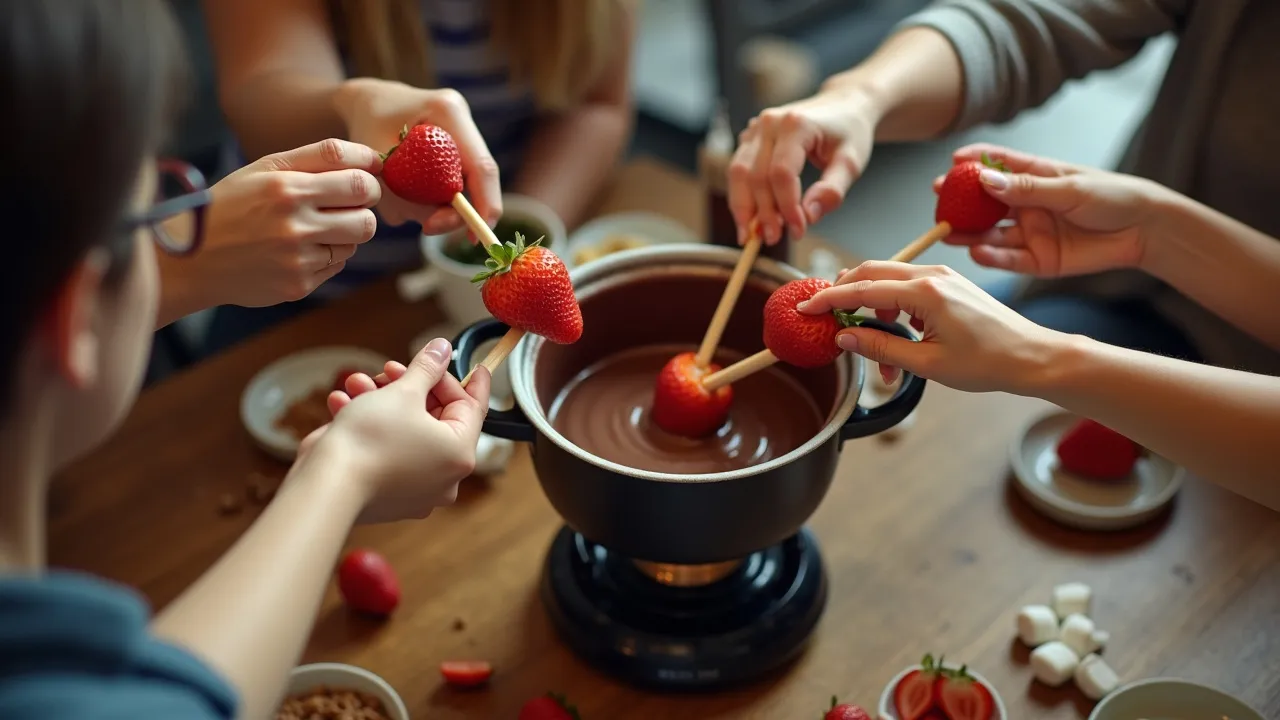
Celebrate National Chocolate Fondue Day on February 5th by indulging in rich, melted chocolate and dipping your favorite treats. This day honors the Swiss tradition of fondue, which became a global symbol of communal dining and dessert enjoyment.
The Historical Origins & Evolutionary Journey
National Chocolate Fondue Day, observed annually on February 5th, is a tribute to one of the most beloved communal desserts. The day celebrates the experience of dipping fruits, cakes, and other treats into a pot of warm, melted chocolate. While the exact origins of this observance are unclear, it emerged in the late 20th century as part of a broader trend of food holidays promoted by confectionery companies and food enthusiasts.
The Foundational Catalyst
The concept of fondue originated in Switzerland in the 18th century as a way to use aged cheeses and bread during winter months. The term "fondue" comes from the French verb "fondre," meaning "to melt." However, chocolate fondue is a much later innovation. It was first introduced in the 1960s by the Swiss chocolatier Konrad Egli, who created a chocolate fondue as part of a promotional campaign for a chocolate brand. This new dessert quickly gained popularity at parties and restaurants.
The Rise of Chocolate Fondue
By the 1970s, chocolate fondue had become a symbol of sophistication and communal dining. It was featured in cookbooks and lifestyle magazines, often associated with fondue parties that included cheese and oil fondues. The day likely gained official recognition in the 1990s as food enthusiasts and calendar companies began designating February 5th as a day to celebrate this indulgent treat. The choice of February 5th may be linked to the pre-Valentine's Day period, making it an ideal occasion for romantic and social gatherings.
Modern Global Legacy
Today, National Chocolate Fondue Day is celebrated in the United States and increasingly around the world. It is promoted by chocolate manufacturers, fondue pot retailers, and food bloggers. The day encourages creativity in dipping choices, from classic strawberries and marshmallows to exotic fruits and even bacon. Restaurants often feature special fondue menus, and home cooks experiment with different chocolate types—dark, milk, white, and ruby. The enduring appeal of chocolate fondue lies in its interactive nature, bringing people together for a shared sensory experience.
How to Celebrate National Chocolate Fondue Day
Celebrating National Chocolate Fondue Day is all about enjoying melted chocolate with friends and family. Whether at home or in a restaurant, the key is to prepare a variety of dippers and experiment with flavors.
DIY Fondue Party at Home
- Choose Your Chocolate: Select high-quality chocolate (dark, milk, or white) and melt it with a bit of cream or oil in a fondue pot or a slow cooker. Keep the heat low to avoid burning.
- Select Dippers: Provide an assortment of items such as strawberries, banana slices, pineapple chunks, marshmallows, pound cake cubes, pretzels, and shortbread cookies. For a savory twist, try bacon strips or potato chips.
- Set the Scene: Use long fondue forks or skewers. Arrange the dippers on a large platter. Keep the chocolate warm with a tea light or electric fondue pot.
- Enjoy Together: Dip, swirl, and savor. Encourage guests to try different combinations.
Global Celebration Ideas
- United States: Many chocolate shops and restaurants offer fondue specials. Host a fondue party with friends and share photos using #ChocolateFondueDay.
- Switzerland: As the birthplace of fondue, Swiss celebrations often focus on traditional cheese fondue but include chocolate versions for dessert. Some towns host fondue festivals.
- France: Chocolate fondue is a staple at dinner parties. Pair with French wines and cheeses for a decadent cheese-and-chocolate fondue experience.
- Japan: Fondue chocolate is popular in dessert cafes, often served with mochi and matcha-flavored treats. Celebrate by visiting a fancy dessert parlor.
- Australia: With summer in February, Australians often celebrate with outdoor fondue parties, dipping tropical fruits like mango and passionfruit.
Corporate and Social Rituals
Offices can organize a fondue potluck where employees bring dippers. Schools might use the day to teach about Swiss culture and the chemistry of melting chocolate. On social media, influencers often post recipes and tutorials. The day also supports the chocolate industry, highlighting sustainable and fair-trade cocoa practices.
Health and Nutritional Considerations
While chocolate fondue is an indulgence, it can be part of a balanced diet when enjoyed in moderation. Dark chocolate, in particular, offers antioxidants and minerals. However, the sugar and fat content require mindful consumption.
Benefits of Dark Chocolate
- Rich in Antioxidants: Dark chocolate with at least 70% cocoa contains flavonoids that support heart health.
- Mood Enhancer: Chocolate stimulates the production of endorphins and serotonin.
- Mineral Content: Provides iron, magnesium, and zinc.
Tips for a Healthier Fondue
Use dark chocolate with minimal added sugar. Dip fresh fruits instead of processed sweets. Portion control is key: a few dips can satisfy cravings without overdoing it. For those with dietary restrictions, dairy-free chocolate and gluten-free dippers are widely available.
Note: Chocolate fondue should be avoided by individuals with chocolate allergies or caffeine sensitivities. Always check ingredient labels.
Cultural Significance and Global Impact
Chocolate fondue transcends mere dessert—it is a cultural artifact that symbolizes togetherness, luxury, and creativity. In many cultures, sharing a fondue pot is an intimate social ritual, often associated with romance and celebration.
Symbol of Communal Dining
Unlike individual desserts, fondue requires cooperation and shared attention. It encourages conversation and slows down the eating process, making it a mindful activity. This aligns with the growing trend of experiential dining.
Economic Impact
The day boosts sales for chocolate brands, fondue equipment manufacturers, and specialty food stores. Restaurants see increased traffic, and food bloggers generate content. The global chocolate market, valued at over $100 billion, benefits from such promotional days. Additionally, National Chocolate Fondue Day raises awareness about fair-trade cocoa and the challenges faced by cocoa farmers, promoting ethical consumption.
Regional Variations
Though February 5th is the primary date in the US, other countries may celebrate on different days (e.g., some European nations mark World Chocolate Day on July 7). However, the essence remains the same: enjoying melted chocolate with good company.
Chocolate Fondue Recipes and Pairings
Creating the perfect chocolate fondue involves more than just melting chocolate. Here are expert tips and classic recipes.
Classic Milk Chocolate Fondue
- Ingredients: 8 oz good-quality milk chocolate, 1/2 cup heavy cream, 1 tbsp butter, 1 tsp vanilla extract.
- Method: Chop chocolate finely. Heat cream and butter in a saucepan until simmering. Pour over chocolate, let sit for 2 minutes, then stir until smooth. Add vanilla. Transfer to fondue pot.
Vegan Dark Chocolate Fondue
- Ingredients: 8 oz dairy-free dark chocolate (70% cocoa), 1 cup full-fat coconut milk, 1 tbsp maple syrup, pinch of sea salt.
- Method: Heat coconut milk until warm. Pour over chocolate and stir. Add maple syrup and salt. Perfect for dipping fruit and vegan marshmallows.
Unique Dipper Ideas
Think beyond the basics: try dried apricots, crystallized ginger, bacon, potato chips, cheesecake bites, or even olives (for a sweet-savory combo). Infuse the chocolate with orange zest, cinnamon, or chili powder for a twist.
Sustainability and Ethical Cocoa Sourcing
As National Chocolate Fondue Day encourages consumption, it also highlights the importance of ethical cocoa sourcing. The chocolate industry has faced criticism for child labor and deforestation. Supporting brands that use fair-trade or Rainforest Alliance certified cocoa ensures that farmers receive fair wages and that environmental standards are met.
How to Choose Ethical Chocolate
- Look for Certifications: Fair Trade, Rainforest Alliance, or Direct Trade labels.
- Check Ingredients: Avoid chocolate with palm oil or excessive additives.
- Support Bean-to-Bar Brands: Many small-scale producers focus on quality and ethics.
By making conscious choices, you can enjoy National Chocolate Fondue Day while contributing to a sustainable future for cocoa growers. Consider gifting ethical chocolate or donating to organizations that support cocoa farming communities.
Historical Timeline
Fondue emerges in Switzerland as a dish of melted cheese and bread, using local cheeses like Gruyère and Emmental.
The first electric fondue pot is invented, making fondue easier to prepare at home.
Swiss chocolatier Konrad Egli creates chocolate fondue for a promotional campaign, introducing it at a New York restaurant. It becomes a trendy dessert.
Fondue parties gain popularity in the US and Europe. Cookbooks feature chocolate fondue recipes alongside cheese and oil fondues.
National Chocolate Fondue Day is first recognized in the United States, likely established by food enthusiasts or calendar publishers.
The day grows in popularity with the rise of social media, where users share fondue creations and participate in online celebrations.
Ruby chocolate (naturally pink) is introduced, leading to new variations of chocolate fondue. Fair-trade chocolate gains traction among consumers.
National Chocolate Fondue Day is celebrated globally, with restaurants, chocolate brands, and home cooks participating. It remains a symbol of indulgence and togetherness.