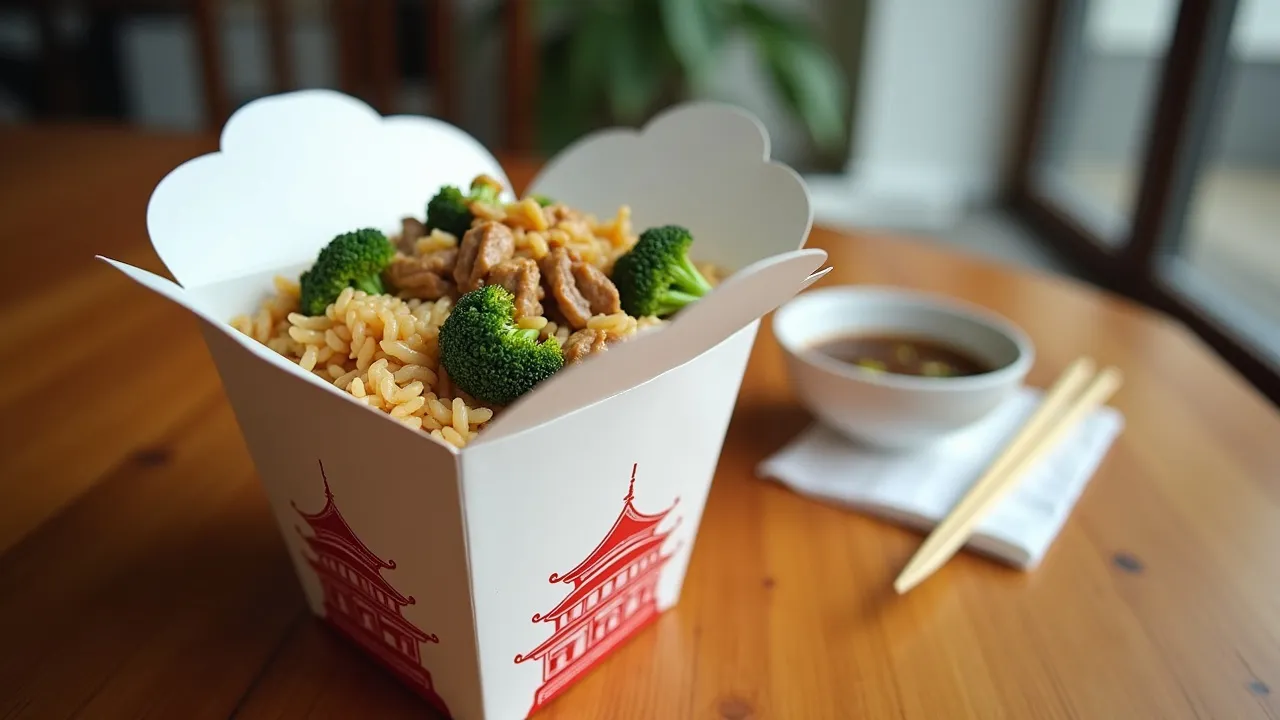
National Chinese Takeout Day, observed on November 5th, celebrates the beloved American tradition of ordering Chinese takeout. This day honors the cultural fusion and convenience of Chinese-American cuisine, encouraging everyone to enjoy their favorite dishes.
The Historical Origins & Evolutionary Journey
National Chinese Takeout Day, observed annually on November 5th, honors the iconic culinary tradition that has become a staple in American households. The day's roots are intertwined with the history of Chinese immigration to the United States and the subsequent adaptation of Chinese cuisine to Western palates.
The Foundational Catalyst
The story of Chinese takeout begins in the mid-19th century, when Chinese immigrants arrived in the U.S. during the California Gold Rush. They brought their culinary traditions, but faced discrimination and limited access to familiar ingredients. To survive, they modified their recipes using available local produce and meats, creating a hybrid cuisine that appealed to American tastes. Dishes like chop suey and General Tso's chicken emerged as Americanized versions, and by the early 20th century, Chinese restaurants began offering takeout services to cater to busy families.
The Legislative/Official Adoption
National Chinese Takeout Day was officially recognized by the National Day Calendar in 2003, though its exact originator remains unclear. The observance was likely promoted by food media and Chinese restaurant associations to celebrate the cultural significance and economic impact of Chinese takeout. Since then, it has gained traction through social media and food blogs, with fans sharing their favorite orders and memories.
Modern Global Legacy
Today, Chinese takeout is a global phenomenon. In the U.S., it is the most popular takeout cuisine, with over 40,000 Chinese restaurants nationwide. The day not only celebrates the food but also acknowledges the resilience and entrepreneurship of Chinese immigrants. Modern trends include healthier options, fusion dishes, and the rise of delivery apps that make ordering effortless. National Chinese Takeout Day has become a platform to explore regional variations, such as Szechuan spice in the Southwest and Cantonese dim sum in urban centers.
How to Celebrate National Chinese Takeout Day
Celebrating National Chinese Takeout Day is simple: order from your local Chinese restaurant and enjoy! But there are many ways to elevate the experience, from hosting themed parties to trying new dishes. Here’s a definitive guide to making the most of November 5th.
Best Practices for Individuals
- Order from a family-owned restaurant: Support local businesses that have been serving the community for generations.
- Try something new: Step out of your comfort zone and order a dish you’ve never tasted, like mapo tofu or salt and pepper squid.
- Host a takeout party: Invite friends and have everyone bring their favorite Chinese takeout dish for a potluck-style feast.
- Pair with tea: Enhance the flavors by pairing your meal with traditional Chinese teas like jasmine or oolong.
Interactive Traditions
- Fortune cookie readings: Share your fortunes and compare them at the dinner table. The crisp cookie is an American invention, but it adds fun.
- Cooking demo: Watch online tutorials to learn how to recreate takeout favorites at home, like fried rice or egg rolls.
- Photo contest: Snap a picture of your takeout spread and post it on social media with #NationalChineseTakeoutDay to win prizes from participating restaurants.
Corporate and Social Rituals
Companies can celebrate by ordering Chinese takeout for office lunches, fostering camaraderie. Schools can incorporate lessons on Chinese culture and cuisine, teaching students about the history of immigration and culinary adaptation. Charities can partner with restaurants to donate meals to those in need, turning the day into a force for good.
Global Celebration Dynamics
While the day is primarily American, Chinese takeout has unique twists worldwide. In the UK, “Chinese takeaway” often includes chips and curry sauce. In Australia, you might find “Honey Chicken” paired with chips. In Japan, Chinese takeout might feature Japanese-style mapo tofu. Celebrating globally means exploring these regional adaptations. For example, in India, Chinese takeout is heavily spiced and often includes dishes like Gobi Manchurian.
Global Impact of Chinese Takeout
Chinese takeout has transcended borders to become a global comfort food. Its journey from Chinatowns to suburban strip malls reflects the spread of Chinese diaspora and the universal appeal of savory, quick meals.
Adaptations Around the World
- United States: The standard fare includes orange chicken, beef and broccoli, and fried rice. The iconic white carton with wire handles is an American invention, patented in the 1970s.
- United Kingdom: Known as “Chinese takeaways,” they often include dishes like crispy shredded beef and special fried rice. The packaging is typically in plastic containers.
- Canada: Similar to the U.S., but with more influence from Cantonese cuisine due to larger Hong Kong immigrant communities. Dim sum is popular for takeout.
- Australia: Chinese takeout often features “Mongolian lamb” and “San Choy Bau” (lettuce wraps). The menu is influenced by Australian ingredients like barramundi.
- India: Indian Chinese cuisine is a distinct hybrid, with dishes like Chili Chicken and Hakka Noodles. Takeout is extremely popular in major cities.
Economic and Cultural Significance
Chinese takeout is a multi-billion dollar industry, employing millions globally. It represents a form of cultural exchange, where recipes are adapted while maintaining core flavors. The day highlights the entrepreneurial spirit of Chinese immigrants who transformed their culinary heritage into a global phenomenon. Additionally, Chinese takeout has influenced home cooking, with many families using leftover takeout to create new meals.
Cultural Significance in American Life
In the United States, Chinese takeout is synonymous with convenience, comfort, and nostalgia. It marks family gatherings, late-night study sessions, and lazy Sundays.
A Symbol of Adaptability
Chinese takeout menus are a testament to the flexibility of Chinese cuisine. From the inclusion of broccoli (an American vegetable) to the creation of sweet-and-sour sauce, these adaptations allowed Chinese restaurants to thrive in a new land. The fortune cookie, though not originally Chinese, became a symbol of the takeout experience.
Rituals and Memories
For many Americans, the experience of picking up a paper bag filled with containers of noodles, rice, and proteins is ingrained in personal history. National Chinese Takeout Day encourages sharing these memories on social media and revisiting favorite childhood dishes. It also serves as a reminder of the contributions of Chinese Americans to the nation’s culinary landscape.
Representation in Media
Chinese takeout appears in countless movies and TV shows, from “The Office” to “Friends,” often depicted as the go-to meal for busy or stressed characters. This representation reinforces its place in pop culture and everyday life. The day also sparks conversations about cultural appreciation versus appropriation, promoting respectful celebration of the cuisine’s origins.
Industry Transformations and Future Trends
The Chinese takeout industry has undergone significant changes in recent decades, driven by technology, health trends, and evolving consumer preferences.
Rise of Delivery Apps
Platforms like DoorDash and Uber Eats have revolutionized how people order Chinese takeout. Restaurants now optimize menus for delivery, focusing on items that travel well, such as fried rice and lo mein. This has increased accessibility but also introduced higher commission fees, affecting small businesses.
Health and Dietary Adaptations
Modern consumers demand healthier options, leading to the rise of “steamed” versions of dishes and increased use of fresh vegetables. Some restaurants now offer low-sodium soy sauce and brown rice. Additionally, gluten-free and vegan Chinese takeout options are becoming more common, catering to dietary restrictions.
Technological Innovation
Automation in cooking (e.g., wok robots) and packaging (microwavable containers) improves efficiency. Some chains use AI to predict order volumes. However, traditional wok cooking remains prized for its flavor. The future may see a blend of authentic techniques and modern convenience, along with increased focus on sustainability through eco-friendly packaging.
Health and Nutrition Considerations
While Chinese takeout is delicious, it often contains high sodium, sugar, and MSG. National Chinese Takeout Day is an opportunity to enjoy mindfully.
Nutritional Profile of Common Dishes
- General Tso's Chicken: A serving can contain over 1,300 calories and 80 grams of sugar due to breading and sauce.
- Fried Rice: Typically made with white rice, oil, and soy sauce, providing around 400-500 calories per cup.
- Egg Rolls: Deep-fried wrappers with cabbage and meat, averaging 200 calories each.
- Steamed Dumplings: A healthier option with fewer calories and less fat, around 40-50 calories per piece.
Tips for Healthier Choices
To enjoy takeout without guilt, opt for dishes with more vegetables and lean proteins. Ask for sauce on the side to control portions. Choose brown rice over white, and avoid fried appetizers. Many restaurants will steam items upon request. Drinking plenty of water helps offset sodium. Balancing indulgence with moderation ensures the day remains celebratory.
Historical Timeline
First Chinese immigrants arrive in California during the Gold Rush, bringing culinary traditions that will evolve into Chinese-American cuisine.
Chop suey becomes a popular dish in San Francisco, one of the first Americanized Chinese dishes widely adopted by non-Chinese diners.
Chinese takeout emerges as a concept in New York City's Chinatown, with restaurants offering deliveries to nearby homes and businesses.
The iconic white takeout box with wire handle is patented by a Chicago-based designer, revolutionizing packaging and branding for Chinese takeout.
General Tso's Chicken gains widespread popularity across the U.S., becoming a staple of Chinese takeout menus nationwide.
National Chinese Takeout Day is first observed, with the National Day Calendar listing November 5th as the official date.
Food delivery apps like Seamless and Grubhub drive a surge in Chinese takeout orders, with a 20% increase in orders during 2015-2018.
During the COVID-19 pandemic, Chinese takeout becomes a lifeline for independent restaurants, with many launching direct ordering systems and contactless delivery.