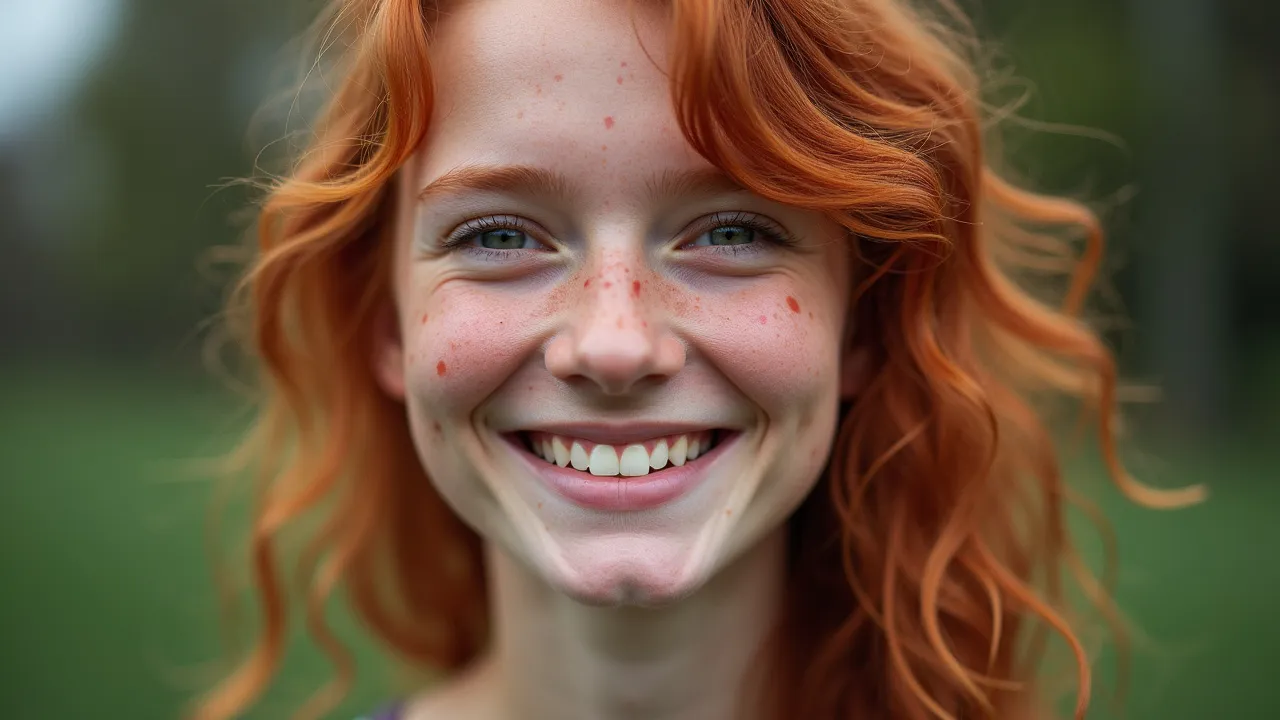
National Love Your Red Hair Day, observed annually on November 5th, celebrates the beauty and uniqueness of red hair. Founded by redhead sisters to promote pride and combat discrimination, it honors the rarest hair color.
The Historical Origins & Evolutionary Journey
National Love Your Red Hair Day was established in 2015 by Adrienne and Stephanie Vendetti, two redheaded sisters from Southern California. The day was created to combat the negative stereotypes and bullying that redheads often face, and to encourage people of all ages to embrace their unique hair color with pride.
The Foundational Catalyst
The Vendetti sisters, both natural redheads, experienced firsthand the teasing and exclusion that can accompany having red hair. They wanted to create a positive, empowering holiday that would not only boost confidence among redheads but also educate the public about the genetics and history of this rare hair color. The date November 5th was chosen because it coincides with National Redhead Day in some countries, though the day is now widely recognized in the United States.
Legislative/Official Adoption
While not an official federal holiday, National Love Your Red Hair Day has gained traction through social media, local proclamations, and support from organizations such as the Redhead Gene Project and various hair care brands. Many cities and states have issued resolutions acknowledging the day, and it is increasingly observed in schools and workplaces.
Modern Global Legacy
Since its inception, the day has grown into a global movement. Redheads from around the world share their stories on platforms like Instagram and TikTok, using hashtags such as #LoveYourRedHairDay and #RedheadPride. The day also highlights the need for inclusion and respect for all rare traits, extending beyond hair color to broader conversations about diversity.
How to Celebrate National Love Your Red Hair Day
National Love Your Red Hair Day offers countless ways to celebrate whether you have red hair or simply appreciate its beauty. Below are detailed, actionable strategies for individuals, schools, and organizations.
For Individuals
- Rock Your Natural Hair: Wear your red hair with confidence. Try a new style that celebrates your unique texture and color.
- Share Your Story: Post a photo on social media with the hashtag #LoveYourRedHairDay and share what you love about your red hair.
- Learn About Red Hair Genetics: Read about the MC1R gene and the science behind red hair. Knowledge empowers pride.
- Support Anti-Bullying: Donate to or volunteer for organizations that combat hair-related discrimination.
For Schools and Communities
- Host an Educational Assembly: Invite a speaker to talk about the history and science of red hair, and the importance of celebrating differences.
- Red Hair Day Parade: Organize a small parade or walk where redheads and allies can march together wearing red clothing.
- Art Project: Have children create artworks depicting redheads in positive, empowering roles.
For Organizations and Brands
- Product Promotions: Hair care companies can offer special discounts on products for red hair, such as color-depositing shampoos.
- Employee Recognition: Encourage employees with red hair to share their experiences, and host a lunch or event celebrating diversity.
- Social Media Campaign: Create a campaign highlighting redhead customers or employees, emphasizing authenticity and inclusivity.
Regional Variations
While November 5th is the primary date in the US, other countries observe different dates. For example, the United Kingdom celebrates Red Hair Day in July, often associated with the Redhead Day festival in the Netherlands. In Ireland, red hair is highly prevalent and celebrated year-round, but specific events may occur on different days. When celebrating, always check local traditions to ensure your participation aligns with regional customs.
The Health & Science of Red Hair
Red hair is not only rare but also comes with unique health considerations. Understanding the science behind red hair can help redheads take better care of themselves and educate others.
Genetic Basis: The MC1R Gene
Red hair is caused by a recessive variant of the melanocortin-1 receptor (MC1R) gene. This gene controls the production of melanin. Redheads have more pheomelanin (red/yellow pigment) and less eumelanin (brown/black pigment), resulting in fair skin, freckles, and red hair. Only 1-2% of the world's population has red hair.
Health Considerations
- Sun Sensitivity: Redheads are more prone to sunburn and skin cancer due to lower levels of protective eumelanin. Sunscreen with high SPF is essential.
- Pain Perception: Studies show redheads may have different pain thresholds, often requiring higher doses of anesthesia. This is linked to the MC1R gene's influence on endorphins.
- Vitamin D Production: Fair-skinned redheads can produce vitamin D more efficiently in low sunlight, which was an evolutionary advantage in northern climates.
Care Tips for Red Hair
Red hair tends to be coarser and more prone to fading. Use sulfate-free shampoos, color-depositing conditioners, and limit heat styling to maintain vibrancy. Regular trims prevent split ends, and UV protection sprays help preserve color.
Social Impact & Redhead Discrimination
Redheads have historically faced prejudice and stereotyping. This section explores the social challenges and the movement toward acceptance.
Historical Stereotypes
In medieval Europe, red hair was often associated with witchcraft or bad temper. Myths about redheads being fiery, untrustworthy, or overly sexualized persisted for centuries. Even today, redheads report higher rates of bullying in schools.
The Anti-Bullying Movement
National Love Your Red Hair Day directly addresses this by promoting self-love and allyship. Organizations like the Redhead Gene Project work to dispel myths and provide support. The day encourages bystanders to speak up against hair-based teasing.
Representation in Media
For decades, redheaded characters were often villains or comic relief (e.g., the Wicked Witch, Ron Weasley under stereotype). More recently, positive representations have emerged, such as Jessica Chastain in Hollywood or Merida from Brave. However, there is still progress to be made in normalizing red hair.
Redheads in Pop Culture & History
Red hair has left an indelible mark on art, history, and entertainment. This section highlights notable redheads and their contributions.
Historical Figures
- Queen Elizabeth I: Her distinctive red hair became a symbol of Tudor power and beauty.
- Vincent van Gogh: The painter often portrayed himself with red hair, though his natural color may have been lighter.
- Winston Churchill: The British Prime Minister had strawberry-blond hair that often appeared red in photographs.
Iconic Redheads in Film & TV
- Lucille Ball: The queen of comedy famously dyed her hair red, inspiring many women.
- Nicole Kidman: The actress has natural red hair, though she often changes it for roles.
- Ed Sheeran: The singer-songwriter proudly embraces his ginger hair, making it part of his brand.
In Art & Literature
Red hair appears in classic paintings by Titian and Botticelli, and in literature from Anne of Green Gables to Pippi Longstocking. These characters often embody spirited, strong-willed personalities, reflecting both stereotype and celebration.
Global Recognition & Related Observances
National Love Your Red Hair Day is part of a broader network of observances celebrating red hair worldwide. Understanding these can enhance cross-cultural appreciation.
Related Dates
- Redhead Day (UK/Netherlands): July 12 or a nearby weekend. The largest gathering is in Breda, Netherlands, attracting thousands of redheads.
- World Redhead Day: Falls on July 12, but not universally recognized. Some celebrate it on the same date as Love Your Red Hair Day.
Country-Specific Traditions
In Ireland, where 10% of the population has red hair, pride is high, but discrimination is less common. In contrast, redheads in parts of Europe and the US still face insults like ginger or carrot top. The day is an opportunity to educate globally.
Economic & Social Impact
The redhead community has spawned specialized products, from hair dyes to sunscreen. Social media influencers and redhead models are increasingly visible, challenging beauty standards.
Historical Timeline
National Love Your Red Hair Day is founded by redhead sisters Adrienne and Stephanie Vendetti, first observed on November 5th.
The day gains traction on social media with the hashtag #LoveYourRedHairDay, and is featured in multiple online publications.
Several US cities issue proclamations recognizing November 5th as Love Your Red Hair Day, including Los Angeles and New York.
The Redhead Gene Project partners with the holiday to promote genetic awareness and anti-bullying campaigns.
Virtual celebrations due to the pandemic; online events and webinars about red hair care and history see record attendance.
The day is officially listed on multiple national day calendars and recognized by hair care brands like L'Oreal and Garnier.