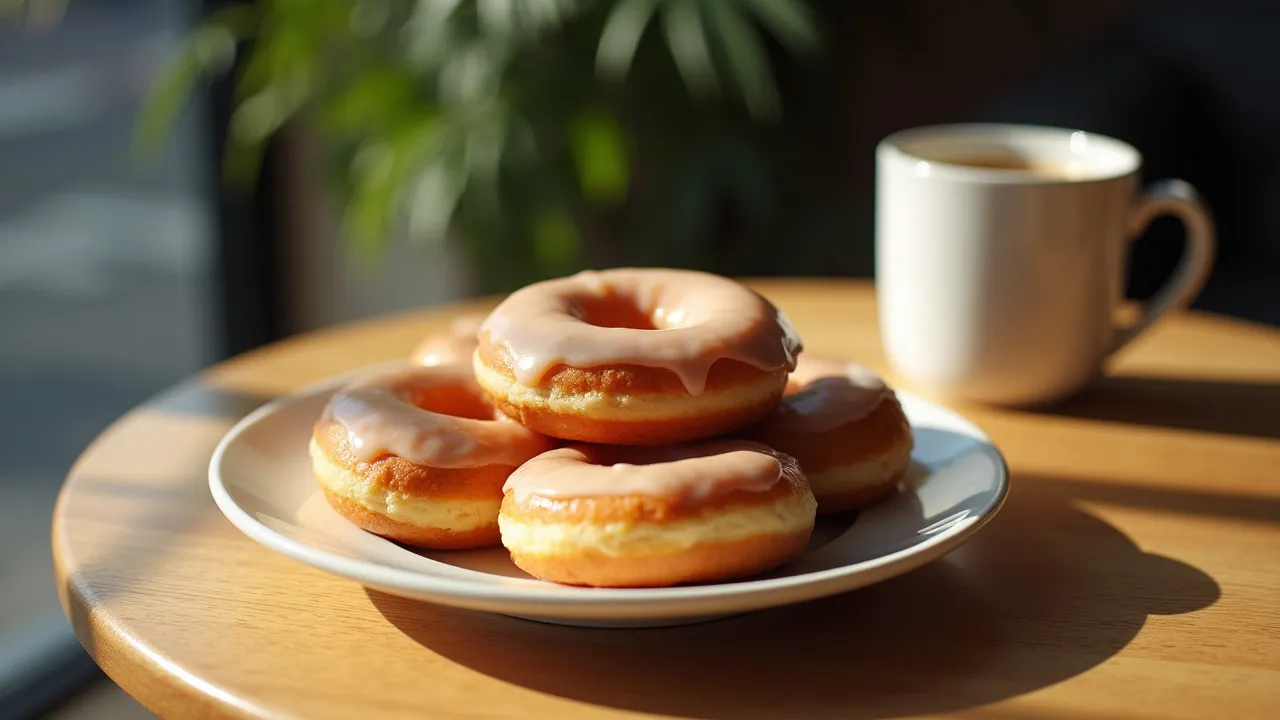
Celebrated on November 5th, National Doughnut Day honors the beloved fried dough treat. This day recognizes the cultural impact and history of doughnuts, from wartime comfort food to modern artisan creations.
The Historical Origins & Evolutionary Journey
While the National Doughnut Day observed in June has deep roots with The Salvation Army, the November 5th celebration emerged as a separate, consumer-driven observance. This date was chosen by the National Day Calendar to provide a second annual opportunity to enjoy and appreciate doughnuts, distinct from the June commemoration.
The Foundational Catalyst
The modern doughnut traces its origins to Dutch settlers who brought oliekoecken (oil cakes) to America in the 17th century. The first written recipe for doughnuts appeared in an 1803 English cookbook, but the ring shape with a hole was popularized in the mid-19th century by Hanson Gregory, a Maine sea captain who claimed to have invented the hole to ensure even cooking. By World War I, doughnuts became a symbol of comfort for soldiers, with Salvation Army lassies serving them fresh on the front lines.
The Legislative/Official Adoption
In 1938, the first National Doughnut Day was established in June to honor the Salvation Army volunteers. The November 5th date was registered much later, in 2003, by the National Day Calendar as a separate observance to boost fall sales and celebrate the treat's versatility. It gained traction through social media and doughnut chains offering promotions.
Modern Global Legacy
Today, November's National Doughnut Day is celebrated across the United States and increasingly worldwide. Doughnut shops, cafes, and home bakers participate by offering special flavors, discounts, and sharing recipes. The day has also become a platform for philanthropic efforts, with some bakeries donating a portion of proceeds to charity.
How to Celebrate National Doughnut Day (Nov)
Whether you're a doughnut aficionado or a casual fan, there are countless ways to honor this fried pastry on November 5th. Below are actionable strategies for individuals, schools, and organizations.
For Individuals and Families
- Visit a Local Doughnut Shop: Support your neighborhood bakery by purchasing a mix of classic and seasonal flavors.
- Host a Doughnut Tasting Party: Invite friends over to sample different types—glazed, filled, cake, and artisan—and vote on favorites.
- Bake Homemade Doughnuts: Try a simple recipe for baked or fried doughnuts. Customize with toppings like sprinkles, chocolate glaze, or bacon.
For Schools and Community Groups
- Organize a Doughnut Fundraiser: Sell doughnuts to raise money for a school trip or charity. Partner with a local bakery for bulk orders.
- Educational Activities: Teach the history of doughnuts in a cooking class or as part of a social studies lesson on cultural food traditions.
- Doughnut Decorating Contest: Provide plain doughnuts and various toppings; have participants create edible art.
For Organizations and Businesses
- Employee Appreciation: Surprise staff with a doughnut bar in the breakroom, including coffee and milk.
- Customer Promotions: Offer a free doughnut with any purchase or a special discount on gourmet doughnuts.
- Charity Partnerships: Donate a percentage of the day's sales to a local food bank or veterans organization.
Internationally, some countries have adapted the day. In Canada, doughnut chains like Tim Hortons often run promotions. In the United Kingdom, doughnut shops offer limited-edition flavors to mark the occasion.
Global Impact & Industry Transformations
The doughnut industry has experienced a renaissance over the past two decades, with artisanal shops and creative flavors driving growth. National Doughnut Day in November contributes to this trend by spurring seasonal innovations and boosting sales during the pre-holiday lull.
Economic Significance
The doughnut market is valued at over $4 billion in the United States alone. November's observance helps sustain year-round demand, with many shops reporting a 20-30% sales increase on the day. Chains like Dunkin' and Krispy Kreme often launch new products or promotions tied to the holiday.
Cultural Spread
Doughnuts have transcended their American roots to become a global comfort food. In Japan, doughnuts are often lighter and less sweet, with flavors like matcha and red bean. Australian bakeries celebrate with a "doughnut wall" where customers can select custom toppings. The November date serves as a unifying moment for doughnut lovers worldwide.
Philanthropic Angle
Many organizations use the day to give back. The Salvation Army often participates despite having its own June day, highlighting the dual celebrations. Some shops partner with veteran support groups to honor the doughnut's history as a wartime treat.
Doughnut Varieties Around the World
Doughnuts come in countless forms across cultures. Here are some notable variations to explore on National Doughnut Day.
- American Doughnuts: Classic ring doughnuts with glaze, sprinkles, or filled with jelly or cream. Cake doughnuts are denser and often spiced.
- French Beignets: Square, deep-fried pastries dusted with powdered sugar, popular in New Orleans.
- Spanish Churros: Crullers with a ridged shape, often dipped in chocolate sauce.
- Indian Balushahi: A deep-fried, sweet pastry similar to a doughnut but with a flaky texture, soaked in syrup.
- German Berliner: Jam-filled doughnuts without a hole, also known as Krapfen.
- Israeli Sufganiyot: Jelly-filled doughnuts traditionally eaten during Hanukkah.
Each variety reflects local tastes and ingredients, making the November day an opportunity for culinary exploration.
Health and Nutrition Considerations
While doughnuts are undeniably delicious, they are also high in sugar, fat, and calories. Moderation is key. Bakers have responded with healthier alternatives:
- Baked Doughnuts: Instead of fried, reducing fat content significantly.
- Gluten-Free Options: Using alternative flours like almond or rice.
- Vegan Doughnuts: Made without eggs or dairy, often using plant-based substitutes.
On National Doughnut Day, consider balancing indulgence with mindful choices. Enjoy one premium doughnut rather than several mediocre ones, and pair with black coffee or unsweetened tea to offset sugar.
The Rise of Artisan Doughnuts
In the 21st century, doughnuts have undergone a gourmet transformation. Artisan shops prioritize high-quality ingredients, unique flavor combinations, and presentation. Examples include Voodoo Doughnut (Portland) with cereal-topped varieties, and Doughnut Plant (New York) with seasonal fruit glazes. The November celebration highlights this trend, encouraging shops to innovate and customers to explore premium offerings.
Historical Timeline
Salvation Army 'lassies' begin serving doughnuts to American soldiers in France during World War I, popularizing the treat as a symbol of comfort and home.
The first National Doughnut Day is celebrated in June to honor the Salvation Army volunteers, established by the Salvation Army itself.
The National Day Calendar registers November 5th as a second National Doughnut Day, separate from the June observance, to promote fall doughnut sales and appreciation.
Social media amplifies the November celebration, with hashtags like #NationalDonutDay trending and major chains offering promotions.
Artisan doughnut shops explode in popularity; November 5th becomes a key marketing date for limited-edition flavors.
During the pandemic, many doughnut shops offer contactless delivery and DIY doughnut kits for home celebration, expanding the day's reach.