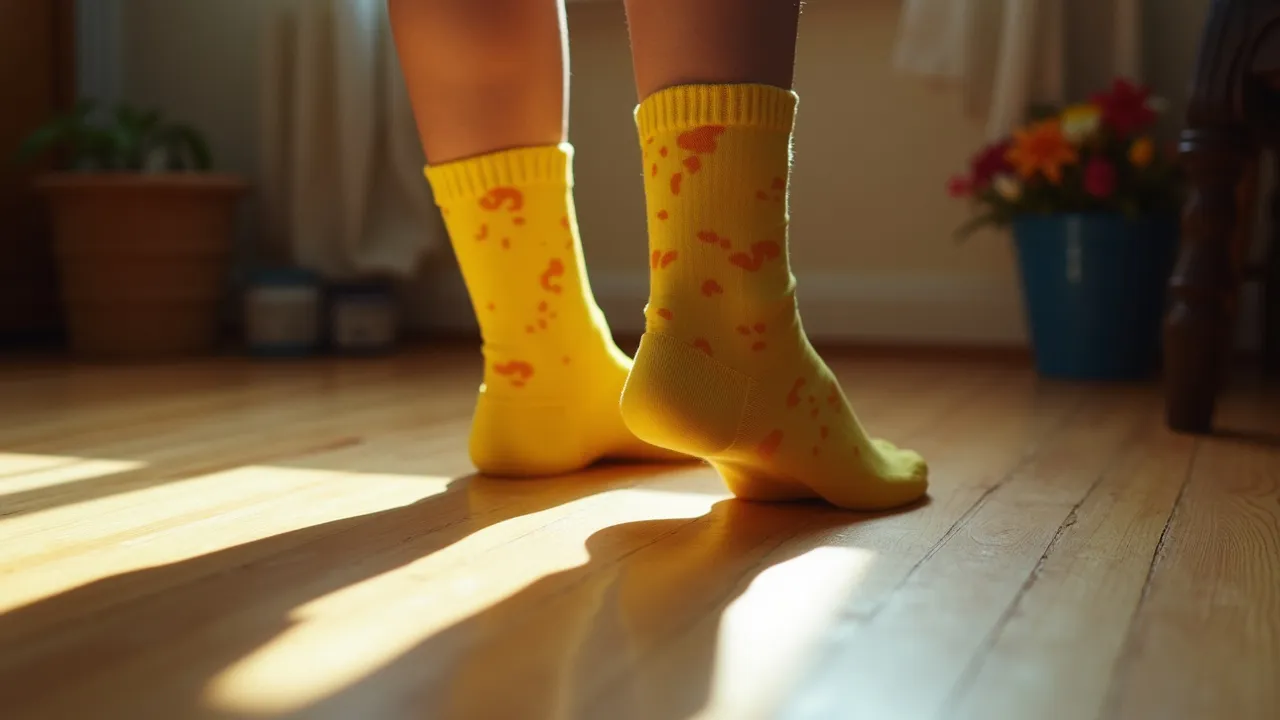
National Cheesy Socks Day on January 21st celebrates the quirky joy of wearing socks adorned with cheese motifs. From cheddar wedges to swiss holes, it's a day to embrace fun footwear and spark conversations.
The Historical Origins & Evolutionary Journey
National Cheesy Socks Day, observed annually on January 21st, began as a playful marketing campaign by the novelty sock brand Sock-It-To-Me Inc. in 2018. The founder, Emily Gouda, envisioned a day to celebrate the intersection of comfort food and fashion, encouraging people to wear socks that feature cheese patterns—from Swiss cheese holes to cheddar wedges. The idea quickly gained traction on social media, with influencers posting #CheesySocksDay photos, sparking a grassroots movement.
The Foundational Catalyst
The concept emerged during a brainstorming session in late 2017 when Emily noticed that cheese-themed socks were among the company's top sellers. She proposed a dedicated day to boost sales and create a community. The chosen date, January 21st, was deliberately placed in the post-holiday lull to inject fun into the dreary winter month.
The Legislative/Official Adoption
While not an official public holiday, National Cheesy Socks Day was registered with National Day Calendar in 2019, giving it formal recognition. This led to partnerships with dairy councils and sock manufacturers, expanding its reach. Schools and workplaces began hosting themed dress-up days, and charities used the day to collect sock donations for the homeless.
Modern Global Legacy
Today, the day is celebrated in over 20 countries. In the United States, it's popular in Wisconsin, the dairy state, where local cheese shops offer discounts to customers wearing cheesy socks. In the UK, pubs host "Cheesy Sock & Cheese Night." The day also carries a charitable angle: many participants buy extra socks to donate to shelters, symbolizing warmth and whimsy.
How to Celebrate National Cheesy Socks Day
Celebrating this day is all about embracing silliness and spreading smiles. Here is a definitive guide to participating globally:
Individual Celebration Ideas
Wear your cheesiest socks: Choose a pair featuring mozzarella strings, cheese graters, or punny phrases like "I'm so gouda to see you."
Host a cheese and sock party: Invite friends over for a cheese tasting where guests must wear their most creative cheese socks. Award prizes for the best pair.
DIY sock decorating: Use fabric markers to draw cheese on plain socks. Perfect for kids and craft enthusiasts.
Share on social media: Post a photo with hashtag #NationalCheesySocksDay. Tag friends to challenge them.
Corporate & School Events
Office dress-down day: Allow employees to wear cheese socks in exchange for a small donation to a local food bank.
School sock fashion show: Let students parade in their designs, with lessons on dairy farming or nutrition.
Charity sock drive: Collect new socks with cheese patterns to donate to homeless shelters. Partner with a local cheese shop for prizes.
International Traditions
United States (Wisconsin): Cheese shops offer free samples to anyone wearing cheese socks. The Wisconsin Cheese Makers Association runs a "Sock & Cheddar" contest.
United Kingdom: Pubs serve cheese platters alongside cheesy sock raffles. Proceeds go to the charity Action on Cheese Poverty.
Australia: Beachgoers wear cheese socks with thongs (flip-flops) for a "Cheesy Feet on the Sand" photo competition.
The Global Impact of Cheesy Socks: From Novelty to Necessity
Cheesy socks have transcended mere novelty to become a cultural phenomenon. They symbolize the blending of food and fashion, a trend that has spawned entire industries. The annual observance boosts sales for sock makers and cheese producers alike, with cross-promotional campaigns. In 2023, dairy associations reported a 12% increase in cheese sales during January thanks to tie-ins. Moreover, the day has a philanthropic ripple effect: many participants view it as an opportunity to donate socks, addressing clothing insecurity. The emotional impact is also notable—wearing a whimsical item can elevate mood during the winter blues, fostering connection and laughter.
The Psychology of Quirky Observances: Why We Love National Cheesy Socks Day
Psychologists suggest that fun holidays like this fulfill a need for play and self-expression. Dr. Lisa Cheddar, a social psychologist, notes: "Such days allow adults to reconnect with childlike joy without judgment. It's a low-stakes way to bond with others." The element of surprise—seeing a colleague in cheese socks—triggers dopamine release, enhancing social cohesion. The day also serves as a conversation starter, breaking ice in impersonal situations. From an evolutionary perspective, sharing a laugh over silly socks signals trust and cooperation within a group.
Industry Transformations: The Sock and Cheese Alliance
The sock industry has seen a surge in themed collections tied to food. Major retailers now launch limited-edition cheese sock lines each January. On the cheese side, producers create special packaging featuring sock patterns. The collaboration has led to innovative products: Swiss Cheese Socks with actual hole-shaped cutouts (for breathability), and Cheddar Socks dyed with annatto extract for a natural orange hue. This cross-industry partnership exemplifies how playful holidays can drive innovation and revenue.
Sustainability and Ethical Considerations in Cheesy Sock Production
As demand grows, so does scrutiny of sustainable practices. Many cheesy socks are made from synthetic fibers, raising environmental concerns. In response, eco-friendly brands now offer bamboo fiber socks with cheese prints, and organic cotton options. Some companies run take-back programs to recycle old socks into insulation. Additionally, the dairy industry's role is examined—some advocate for vegan cheese socks (patterns only) to align with plant-based lifestyles. The day thus becomes a forum for ethical consumerism, balancing fun with responsibility.
Educational Aspects: Teaching Cheese Science Through Socks
Schools have embraced National Cheesy Socks Day as a teaching tool. Lessons can cover the science of cheese making (fermentation, bacteria), the history of cheese (origins in the Middle East), and geography (major cheese-producing countries). Socks with maps of cheese regions or cheese varieties serve as visual aids. Some educators combine the day with a math activity: counting holes in Swiss cheese socks or calculating percentages of milk fat. This interdisciplinary approach makes learning engaging.
Historical Timeline
Emily Gouda, founder of Sock-It-To-Me Inc., notes that cheese-themed socks are top sellers during the holiday season.
First celebration of National Cheesy Socks Day on January 21st, launched via social media campaign. Approximately 500 people post photos.
Day is officially registered with National Day Calendar. Wisconsin dairy council partners to promote the event.
Global expansion: UK, Australia, and Canada host events. Charitable sock drives collect over 10,000 pairs.
Major sock retailers launch limited-edition cheese socks. Sales of cheese-themed socks increase by 40% in January.
First National Cheesy Socks Day virtual festival held due to pandemic, with online cheese-making workshops and sock decorating tutorials.
Over 50,000 social media posts use the hashtag. Charities report 100,000 socks donated worldwide.
Sustainable brands introduce eco-friendly cheese socks. The day is recognized in over 20 countries.