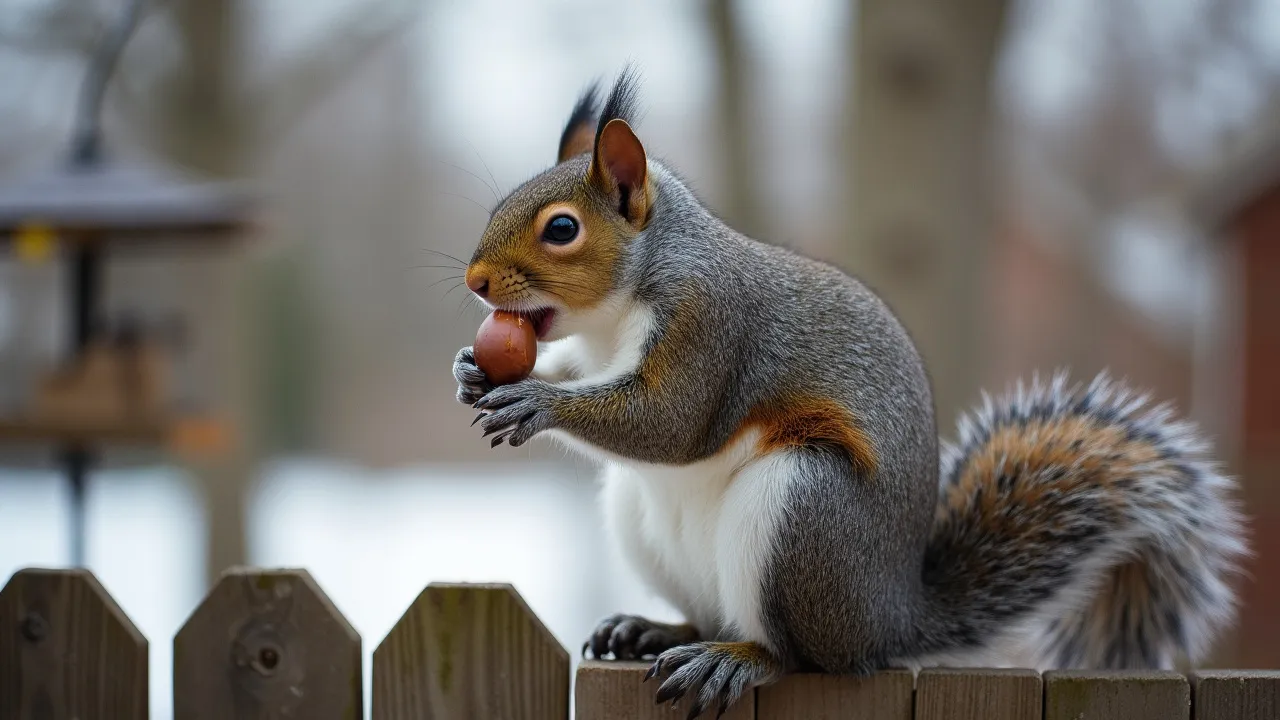
Squirrel Appreciation Day on January 21st celebrates our bushy-tailed neighbors. Learn about its origins, how to participate, and why these clever rodents deserve our admiration and protection.
The Historical Origins & Evolutionary Journey
The Foundational Catalyst
Squirrel Appreciation Day was founded in 2001 by Christy Hargrove, a wildlife rehabilitator from Asheville, North Carolina. Hargrove, who worked with the Western North Carolina Nature Center, created the day to encourage people to learn about and help squirrels, especially during the harsh winter months when food is scarce. The date January 21st was chosen because it falls in the middle of winter, a time when squirrels rely heavily on stored food and human assistance.
The Official Adoption
Initially a local observance, the day gained traction through online communities and wildlife organizations. Unlike many holidays, it was never officially proclaimed by a government but spread organically through social media, school programs, and nature centers. By the 2010s, it was widely recognized across the United States and parts of Canada, with zoos and wildlife rehabilitation centers hosting educational events.
Modern Global Legacy
Today, the day is celebrated internationally, with variations in different regions. In the United Kingdom, the day is sometimes marked by putting out squirrel feeders and nuts. In Japan, where squirrels are considered symbols of good luck, the day is observed with special treats and awareness campaigns. The day has also become a platform for conservation, highlighting threats such as habitat loss and road mortality.
How to Celebrate Squirrel Appreciation Day
Individual Actions
Here are some practical ways you can participate:
- Set up a squirrel feeder: Fill it with unsalted peanuts, sunflower seeds, or corn cobs. Place it away from bird feeders to avoid conflicts.
- Create a squirrel-friendly garden: Plant nut-bearing trees like oaks, walnuts, or hazelnuts. Leave out a shallow dish of water.
- Watch and document: Spend time observing squirrel behavior. Take photos or videos and share on social media with #SquirrelAppreciationDay.
School and Community Activities
- Educational programs: Organize talks or workshops about squirrel biology, ecology, and conservation.
- Art projects: Have children draw or paint squirrels, or build squirrel houses (dreys) from natural materials.
- Fundraisers: Collect donations for local wildlife rehab centers or squirrel rescue groups.
Global Traditions
In the United States, many people leave out extra nuts and seeds. In the United Kingdom, the day is used to raise awareness about the native red squirrel versus the invasive grey squirrel. In Japan, where the Siberian flying squirrel is revered, ornate feeders are placed in gardens. In Australia, which has no native true squirrels but introduced species, the day focuses on the similar sugar glider or creates awareness about invasive species management.
Ecological Importance of Squirrels
Forest Engineers
Squirrels play a critical role in forest regeneration through seed dispersal. They bury thousands of nuts each autumn, many of which are never recovered and grow into new trees. A single gray squirrel can bury up to 3,000 nuts per season. This behavior helps maintain biodiversity and supports the growth of hardwood forests.
Food Web Contributors
Squirrels are a vital food source for many predators, including hawks, owls, foxes, snakes, and coyotes. Their abundance influences predator populations. Additionally, squirrel nests (dreys) provide shelter for birds and other small animals after abandonment.
Indicators of Ecosystem Health
Healthy squirrel populations indicate a balanced ecosystem with ample food and shelter. Declines can signal habitat degradation or disease outbreaks, making them important bioindicators for conservationists.
Squirrel Species Diversity and Adaptations
Major Species
The family Sciuridae includes over 280 species worldwide. The most familiar are the Eastern gray squirrel (Sciurus carolinensis), red squirrel (Tamiasciurus hudsonicus), fox squirrel (Sciurus niger), and flying squirrels (subfamily Petauristinae). Ground squirrels, such as the California ground squirrel, spend more time on the ground and live in burrows.
Adaptations for Arboreal Life
- Agile limbs: Double-jointed ankles allow them to rotate their hind feet 180 degrees, enabling head-first descent down trees.
- Balancing tail: Their bushy tail provides counterbalance during leaps and acts as a parachute during short falls.
- Keen vision: Wide-set eyes provide a nearly 360-degree field of view, essential for spotting predators.
Unique Behaviors
Flying squirrels do not actually fly but glide using patagia (skin flaps) between limbs, allowing them to travel up to 150 feet in a single glide. Ground squirrels hibernate, while tree squirrels remain active year-round, relying on stored food caches.
Squirrels in Human Culture and Urban Environments
Symbolism and Folklore
Squirrels appear in mythology and folklore across cultures. In Norse mythology, Ratatoskr is a squirrel that runs up and down the world tree Yggdrasil, carrying messages between the eagle at the top and the serpent Níðhöggr below. In many traditions, squirrels symbolize preparation, resourcefulness, and playfulness.
Squirrels in Literature and Media
From Beatrix Potter's "The Tale of Squirrel Nutkin" to Disney's Chip 'n' Dale, squirrels are beloved characters often depicted as clever and mischievous. They feature in memes, internet fame like "Peanut the Squirrel," and as mascots for sports teams and brands.
Urban Adaptations
Many squirrel species have adapted to urban life, thriving in parks and backyards. They readily use bird feeders and have learned to cross roads cautiously. However, urban environments pose threats: vehicle collisions, predation by domestic cats, and dependence on human-provided food can reduce their natural foraging skills.
Conservation Challenges and How to Help
Threats to Squirrel Populations
Habitat loss due to deforestation and urban sprawl is the primary threat. In the UK, the introduced Eastern gray squirrel outcompetes the native red squirrel and carries the squirrelpox virus, which is lethal to reds. Climate change also affects food availability and nesting success.
How to Support Squirrel Conservation
- Donate: Contribute to organizations like the Squirrel Association or local rehabilitation centers.
- Report sightings: Participate in citizen science projects that track squirrel populations, such as Project Squirrel or iNaturalist.
- Reduce hazards: Install baffles on bird feeders to prevent falls, and avoid using rodenticides that can poison squirrels and their predators.
- Plant native trees: Oaks, beeches, and hickories provide natural food sources.
Rehabilitation and Rescue
If you find an injured or orphaned squirrel, contact a licensed wildlife rehabilitator. Do not attempt to care for it yourself, as improper diet or handling can be fatal. Squirrel rehabilitation is highly specialized.
Historical Timeline
Christy Hargrove, a wildlife rehabilitator from Asheville, North Carolina, founds Squirrel Appreciation Day on January 21st to encourage appreciation and care for squirrels during winter.
The day spreads via online forums, school programs, and nature centers across the United States and into Canada.
The UK's Red Squirrel Survival Trust begins using the day to promote conservation of the endangered red squirrel, highlighting the threat from grey squirrels.
Social media platforms like Twitter and Facebook amplify the holiday, with trending hashtags #SquirrelAppreciationDay and #SquirrelDay.
Zoos and wildlife parks worldwide host educational events, including squirrel feeding demonstrations and talks on urban ecology.
Squirrel Appreciation Day is recognized by several state wildlife agencies, and citizen science projects like Project Squirrel report record participation on this date.