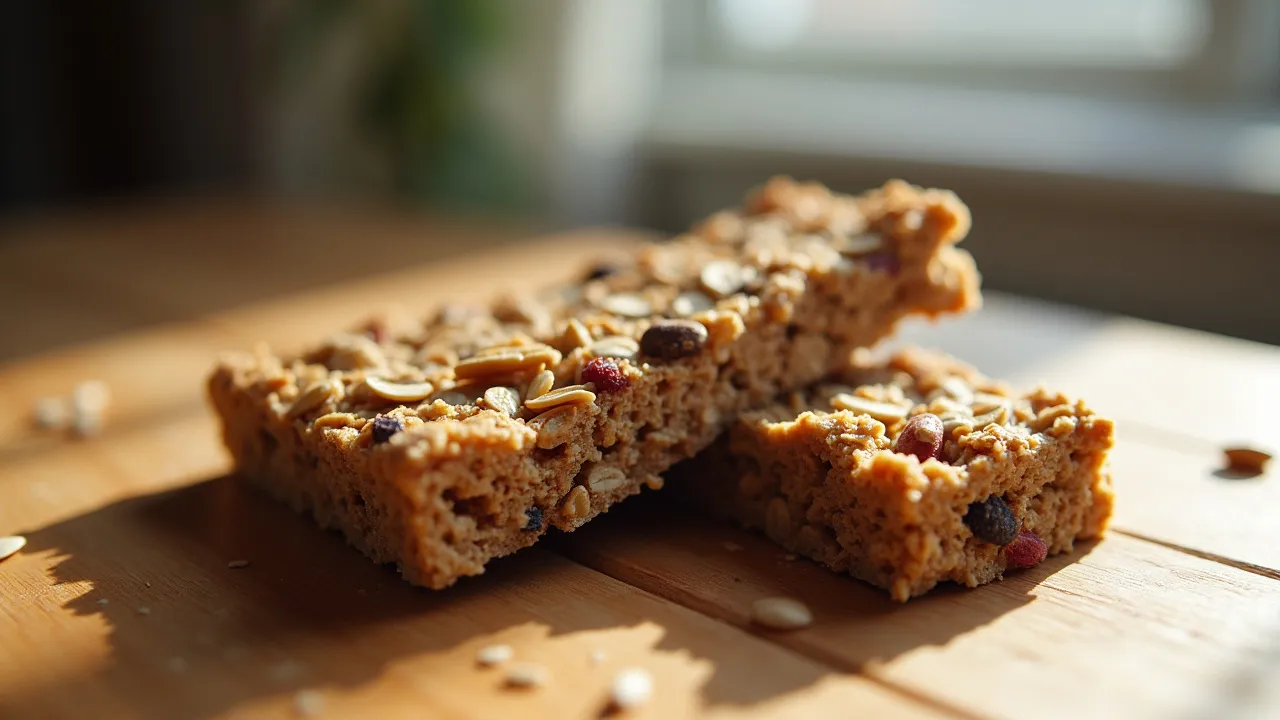
National Granola Bar Day, observed on January 21st, celebrates the invention and enduring popularity of this portable, nutritious snack. From its health food origins to modern convenience, it honors a versatile staple.
The Historical Origins & Evolutionary Journey
National Granola Bar Day, observed annually on January 21st, honors the creation and cultural impact of the granola bar – a portable, nutritious snack that has evolved from a niche health food into a global pantry staple. The day itself is an unofficial food holiday, likely popularized in the early 2000s by snack enthusiasts and food bloggers, though its exact founder remains unknown. This section explores the deep history of granola bars, from ancient grain-based energy snacks to the modern multibillion-dollar industry.
The Foundational Catalyst: Ancient Roots to Modern Invention
Long before the term "granola bar" existed, humans relied on portable grain-and-nut mixtures for sustenance. Ancient civilizations, including the Greeks and Romans, carried compact blends of barley, nuts, and honey during long journeys. In the 19th century, Dr. James Caleb Jackson created "granula," a baked graham flour cereal, at the Dansville Sanitarium in New York. Later, John Harvey Kellogg popularized a similar cereal, renaming it "granola." However, it was not until the 1970s that the modern granola bar emerged. In 1975, two college students, Dave and Jim, founded Nature Valley and introduced the first commercially successful granola bar, a compressed oat-and-honey rectangle that quickly became a counterculture health food icon. The patent for the granola bar was filed in 1977, leading to mass production.
The Legislative/Official Adoption
While National Granola Bar Day is not officially recognized by the U.S. government or United Nations, its establishment as an informal observance reflects grassroots food culture. The date January 21st was selected by various food calendar websites and social media campaigns, likely to fill the post-holiday snack void. No formal proclamation exists, but it is widely acknowledged by snack manufacturers, nutrition bloggers, and enthusiasts. The day serves as a platform to promote healthy snacking and highlight the industry's economic and nutritional contributions.
Modern Global Legacy
Today, granola bars are a $6 billion global market, with thousands of varieties spanning gluten-free, high-protein, organic, and keto-friendly options. They are a staple in school lunches, hiking backpacks, and office desks. Countries like Australia, the UK, and Canada have embraced them, often adapting recipes to local flavors (e.g., Vegemite in Australia or chocolate in the UK). National Granola Bar Day now includes social media campaigns, recipe contests, and in-store promotions, reinforcing the snack's role as a convenient, customizable food.
How to Celebrate National Granola Bar Day
National Granola Bar Day offers endless ways to enjoy and honor this convenient snack. Here is the ultimate global guide to celebrating with depth and creativity, whether at home, school, or work.
Individual Celebrations
- Bake from scratch: Try a classic oat-honey recipe or experiment with add-ins like dark chocolate chips, dried cranberries, or pumpkin seeds. Share your creation on social media with #NationalGranolaBarDay.
- Try new store-bought varieties: Visit a local grocery or health food store and pick up a brand you have never tried. Compare ingredients and flavors.
- Customize your own: Many cities offer DIY granola bar shops or you can create a toppings bar at home with yogurt, fruit, and drizzles.
School & Community Activities
- Nutrition workshop: Host a lesson on reading food labels, comparing sugar and fiber content in different granola bars.
- Bar-decorating contest: Students can design their own bar wrapper or create a themed flavor (e.g., "Rainbow Crunch").
- Donation drive: Collect granola bars for local food banks or shelters; many organizations appreciate non-perishable snacks.
Corporate & Social Rituals
- Office snack swap: Encourage coworkers to bring their favorite granola bar and share tasting notes.
- Virtual bake-along: Host a Zoom session where employees follow a recipe together, then post results on an internal forum.
Regional Variations Worldwide
While January 21st is the primary US date, countries like Australia celebrate on different days (e.g., Australia's National Granola Day is March 12). In the UK, some food blogs mark the day on January 21st as well, but with a focus on healthier options. In Japan, granola bars are often called "energy bars" and celebrated with limited-edition flavors like matcha or red bean.
Nutritional Impact & Health Considerations
Granola bars occupy a complex space in dietary discourse. On one hand, they are marketed as wholesome, energizing snacks; on the other, many are laden with added sugars and processed ingredients. This section dissects the health profile of granola bars, offering a balanced perspective.
Key Nutritional Components
Oats: A whole grain rich in beta-glucan, which supports heart health and satiety.
Nuts & Seeds: Provide healthy fats, protein, and micronutrients like magnesium and vitamin E.
Dried Fruit: Adds natural sweetness and fiber, but can concentrate sugars.
Sweeteners: Honey, maple syrup, or brown rice syrup are common; some bars use artificial sweeteners or sugar alcohols.
Health Pros and Cons
When chosen carefully, granola bars can be a convenient source of energy for active individuals. However, many commercial bars contain up to 15 grams of sugar per serving – nearly half the daily limit recommended by the American Heart Association. It is crucial to read labels and opt for bars with at least 3 grams of fiber and less than 10 grams of sugar. The growing demand for healthier options has spurred innovation in low-sugar, high-protein, and whole-food-based bars.
Dietary Adaptations
Gluten-free: Using certified gluten-free oats or alternative grains like quinoa.
Vegan: Replacing honey with agave or brown rice syrup.
Keto: Using nut flours, seeds, and sugar substitutes like erythritol.
Industry & Economic Significance
The granola bar industry represents a significant segment of the global snack market, with annual sales exceeding $6 billion. This sector has experienced steady growth due to increasing demand for on-the-go, health-oriented foods.
Major Players and Market Dynamics
- Legacy brands: Nature Valley (General Mills), Quaker Chewy (PepsiCo), and KIND Snacks dominate the market.
- Premium niche: Brands like RXBAR, LaraBar, and Bobo's emphasize minimal ingredients and high protein.
- Private label: Retailers like Trader Joe's and Aldi offer competitive store-brand options.
Innovation in the industry focuses on functional ingredients (probiotics, adaptogens), sustainable packaging, and direct-to-consumer subscription models. The COVID-19 pandemic boosted sales as consumers stockpiled shelf-stable snacks, and the trend continues with remote work fueling demand for easy lunch and snack solutions.
Employment and Manufacturing
The granola bar industry supports thousands of jobs in manufacturing, distribution, and retail. Major production hubs exist in the United States (particularly the Midwest), Europe, and Asia. Small-batch artisanal producers have also flourished, often using local ingredients and eco-friendly practices.
Environmental & Sustainability Concerns
As with most packaged foods, granola bars come with environmental considerations. The industry is responding to consumer demand for more sustainable practices.
Packaging Waste
Individual wrappers are a major source of plastic waste. Some brands have introduced recyclable or compostable wrappers, while others offer bulk bins or multi-pack cardboard boxes. The shift toward home-compostable materials is gaining traction, though cost remains a barrier.
Ingredient Sourcing
Key ingredients like almonds and coconut have high water footprints and biodiversity impacts. Oats, however, are relatively low-input crops. Ethical sourcing certifications (Fair Trade, Rainforest Alliance) are increasingly common for chocolate, sugar, and palm oil used in some bars.
Corporate Initiatives
Companies like KIND have launched recycling programs and invested in regenerative agriculture. Nature Valley has partnered with the National Park Foundation to reduce trail litter. Consumers can support sustainability by choosing bars with minimal packaging, certified ingredients, and from companies with transparent supply chains.
Cultural & Social Impact
Granola bars have permeated modern culture as symbols of efficiency, health consciousness, and even socioeconomic status. Their representation in media, advertising, and everyday life reflects broader societal trends.
In Media and Advertising
Granola bars are often depicted as the snack of choice for busy professionals, active families, and outdoor enthusiasts. Advertisements emphasize portability, natural ingredients, and energy. The term "granola" has also been used colloquially to describe environmentally conscious or countercultural individuals, though this association has evolved.
Social Media and Community
On platforms like Instagram and Pinterest, homemade granola bar recipes abound, often tagged with #granola, #healthysnack, and #mealprep. The day itself is promoted by food influencers and brands, spreading ideas for custom creations and healthy swaps.
Global Cultural Adoption
In countries like India, granola bars are adapted to local tastes with spices (cardamom, saffron) and nuts (cashews, pistachios). In Scandinavia, they often contain lingonberries and seeds. This localization underscores the snack's versatility and universal appeal.
Historical Timeline
Dr. James Caleb Jackson invents 'granula', a baked graham flour cereal, at the Dansville Sanitarium in New York.
John Harvey Kellogg creates a similar cereal and names it 'granola' after legal issues with the name 'granula'.
Dave and Jim, founders of Nature Valley, produce the first commercial granola bar, a compressed oat-and-honey rectangle.
Nature Valley patents the granola bar, leading to mass production and national distribution.
Granola bars become mainstream as health trends rise; Quaker introduces Chewy Granola Bars in 1986.
National Granola Bar Day emerges as an unofficial food holiday, celebrated on January 21st via food blogs and social media.
KIND Snacks launches with fruit-and-nut bars, beginning a new category of minimally processed granola bars.
Granola bar market expands with protein, gluten-free, and organic varieties; sales reach $5 billion globally.
Pandemic fuels stockpiling of shelf-stable snacks; home baking of granola bars surges.
Market exceeds $6 billion; sustainability initiatives and functional ingredients (probiotics, adaptogens) become key trends.